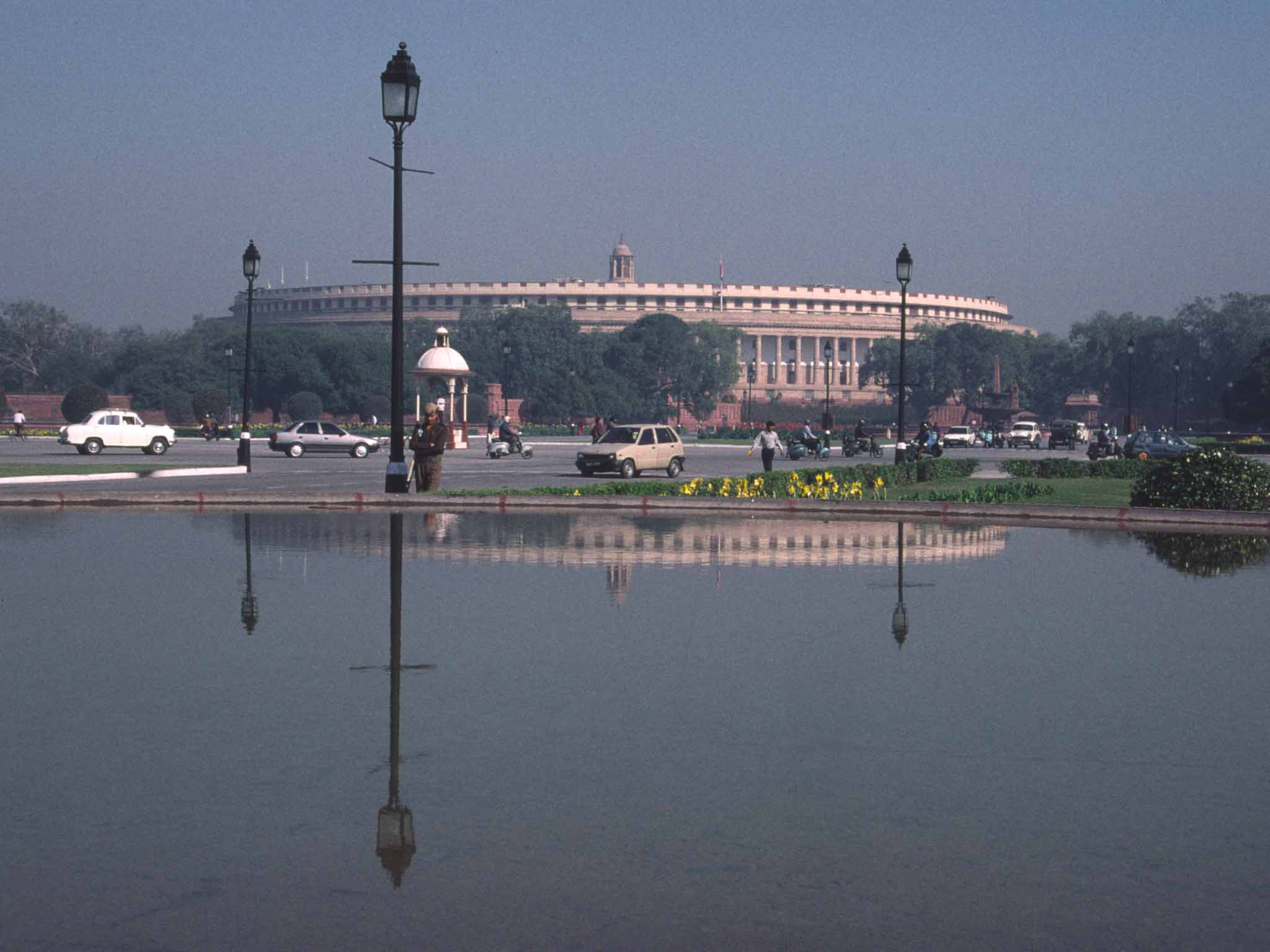
Parliamentary Affairs Minister Kiren Rijiju addressed the Lok Sabha on July 20, 2026, regarding the government's proposed Anti Paper Leak Bill.
The legislation seeks to address systemic vulnerabilities in India's testing infrastructure. By introducing stricter penalties and enhanced safeguards, the government aims to prevent the unauthorized release of examination materials that can compromise national recruitment and entrance exams.
Speaking on the opening day of the Monsoon Session of Parliament, Rijiju said there is a need for a robust legal framework to deter those involved in leaking papers. The bill is designed to ensure transparency, and protect the integrity of the education and testing system for millions of candidates.
The Monsoon Session began on July 20, 2026 [1], and is scheduled to continue until August 13, 2026 [2]. This legislative window is expected to last four weeks [3] and will see the government push several key bills through both the Lok Sabha and Rajya Sabha.
Rijiju said the bill focuses on creating a deterrent against the organized networks that facilitate paper leaks. The proposed measures include harsher punishments for offenders to ensure that recruitment processes remain fair and merit-based.
The introduction of the bill comes amid ongoing demands for greater accountability in how entrance exams are administered. The government intends for these safeguards to restore public trust in the competitive examination process across the country.
“The bill is designed to ensure transparency and protect the integrity of the education and testing system.”
The introduction of the Anti Paper Leak Bill reflects a legislative effort to combat the growing issue of examination fraud in India. By shifting toward a more punitive approach, the government is attempting to signal a zero-tolerance policy toward the leak of high-stakes exam papers, which often leads to widespread student protests and the costly cancellation of national tests.