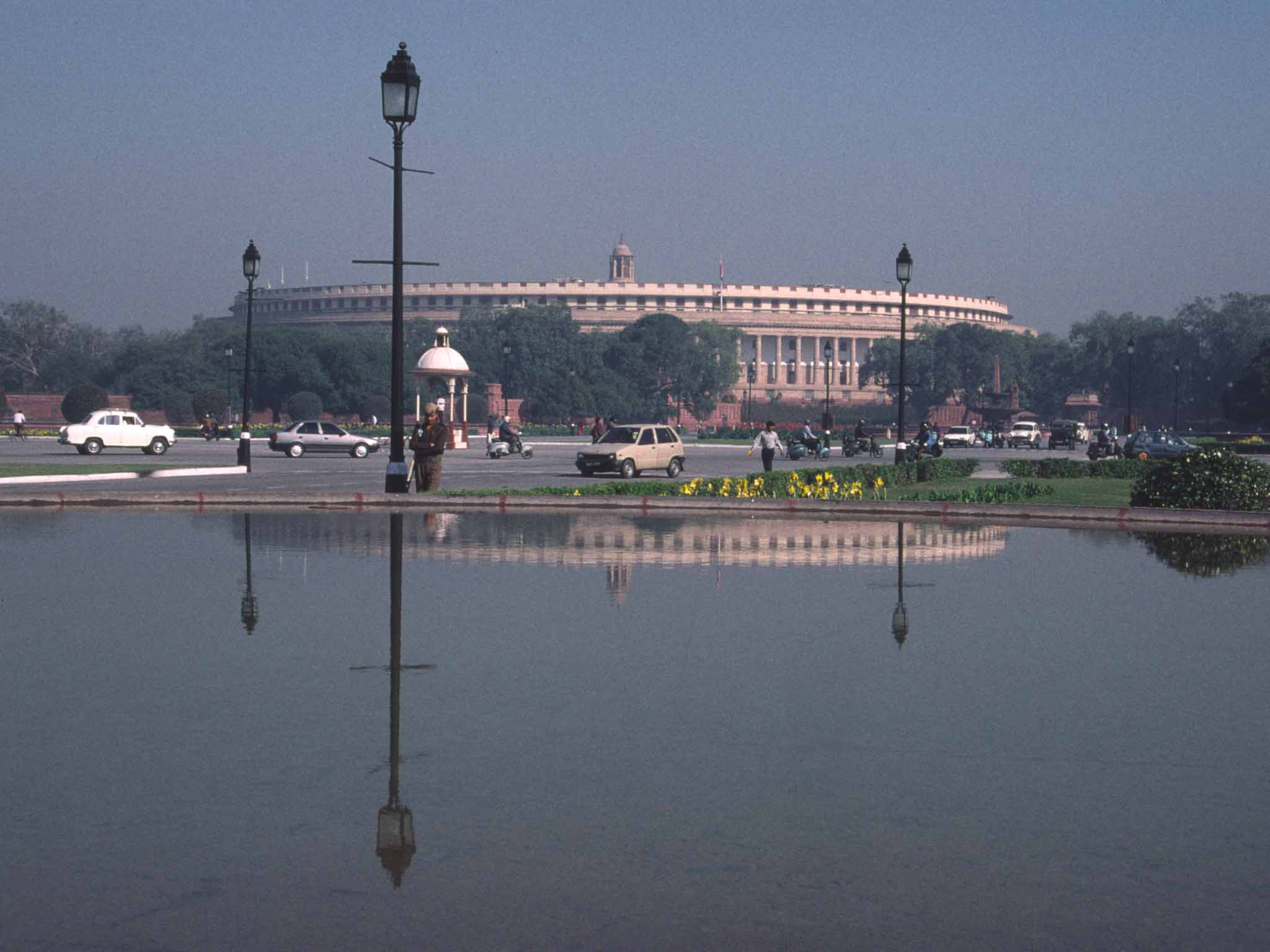
Indian authorities have banned a planned march on Parliament by activists from the Cockroach Janata Party (CJP) in Delhi [1].
The prohibition comes as the government seeks to prevent a law-and-order standoff during a critical legislative window. The timing of the protest coincides with the start of the Monsoon Session, a period often marked by high political tension and significant policy debates.
Police deployed security forces to the Jantar Mantar area and around the Parliament building to enforce the ban [2]. Despite the legal restrictions, hundreds of supporters have gathered in the city to attempt the march [3].
Officials said the decision to block the demonstration was based on security concerns [4]. The government said the gathering posed a risk to public order, necessitating the deployment of security personnel to maintain control of the capital's central districts [2].
The planned demonstration was scheduled for July 20, 2026 [3], which marks the first day of the Monsoon Session. The CJP activists intended to use the opening of the legislative session to bring national attention to their cause, but the police ban has shifted the focus toward a potential confrontation between protesters and law enforcement [1].
Security remains tight in the vicinity of the Parliament building as the session begins. The standoff reflects ongoing tensions between the administration and fringe political movements seeking visibility in the capital [4].
“India banned the planned march on Parliament by the Cockroach Janata Party activists”
The banning of the CJP march highlights the Indian government's prioritization of stability and security over the right to protest during high-profile legislative events. By restricting access to the Parliament area during the Monsoon Session, authorities are signaling a zero-tolerance approach to disruptions that could interfere with the functioning of the national government.


