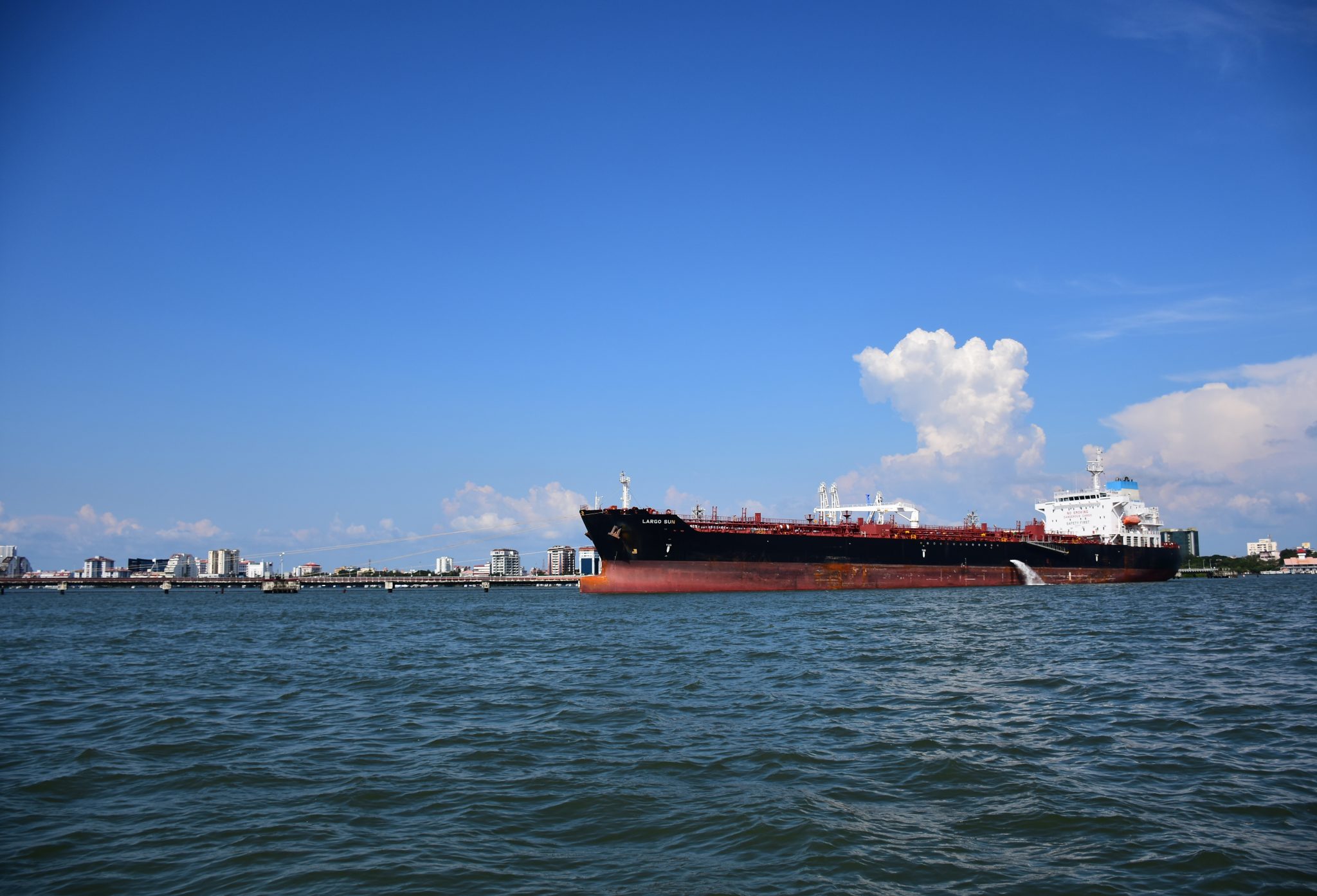
India has increased its imports of crude oil from Brazil to reduce reliance on traditional energy suppliers in the Middle East.
This shift represents a strategic effort to stabilize the national energy supply. By diversifying its crude map, India aims to mitigate the impact of regional instability and logistical disruptions that frequently threaten its primary shipping lanes.
Brazilian crude exports to India surged 80 percent year-on-year [1]. Recent data shows that these shipments reached 73,000 barrels per day [2]. This is an increase from the previous year, when exports from Brazil to India were 41,000 barrels per day [3].
The move comes as India faces ongoing disruptions in the Strait of Hormuz, a critical chokepoint for global oil transit. To protect its economy from such volatility, New Delhi is expanding partnerships with non-traditional exporters including Brazil, Russia, and Venezuela [4].
Refineries across India are now adapting to process these diverse grades of crude. The transition allows India to maintain its energy security while reducing the leverage of any single geographic region over its fuel supply [4].
Industry analysts said that the reliance on South American oil provides a necessary hedge against Middle Eastern geopolitical tensions. As India continues to grow its economy, the demand for consistent and secure energy imports remains a top priority for the government [4].
“Brazilian crude exports to India surged 80 percent year-on-year”
India's pivot toward Brazilian oil indicates a long-term strategic shift in its energy diplomacy. By reducing its dependency on the Strait of Hormuz, India is insulating its economy from Middle Eastern geopolitical shocks. This diversification suggests that New Delhi is prioritizing supply chain resilience over the convenience of shorter shipping routes.