Gold and silver rates in India are expected to remain volatile throughout 2026 [1].
This volatility matters because it reflects the fragility of India's external balance and its sensitivity to global commodity price swings. Because India relies heavily on imports, shifts in the cost of essential commodities can trigger significant dollar outflows, impacting the national economy.
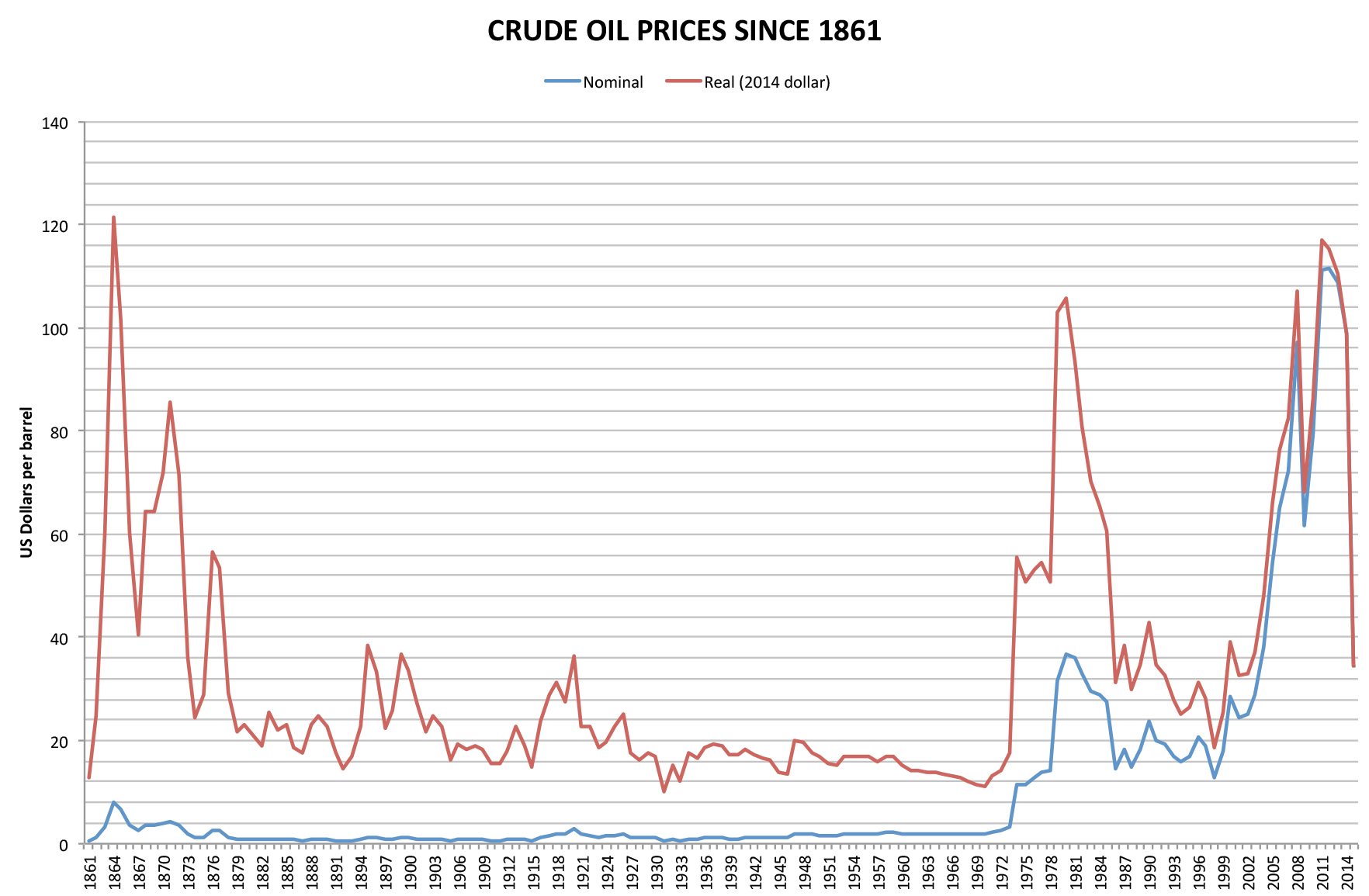
Kaynat Chainwala, a senior analyst at Kotak Securities, said the volatility is linked to how India manages its external balance. According to Chainwala, the country's balance is far more sensitive to the price of crude oil than to the cost of bullion imports [1].
While gold and silver imports can amplify economic pressure, crude oil remains the primary driver of dollar outflows [1]. This dynamic creates an environment where bullion prices often fluctuate in response to broader macroeconomic pressures, rather than just demand for precious metals.
"India’s external balance remains far more sensitive to crude oil prices than to bullion imports," Chainwala said [1].
Other market factors have contributed to recent price swings. Some reports indicate spot gold prices have jumped 1.2% to $4,750 per ounce [2]. These movements are often tied to geopolitical tensions, such as conflicts involving the U.S. and Iran, which can cause prices to either spike or decline depending on the likelihood of a diplomatic resolution [2].
Despite these external shocks, the structural relationship between oil and the external balance continues to be the defining factor for the 2026 outlook [1].
“India’s external balance remains far more sensitive to crude oil prices than to bullion imports.”
The projected volatility suggests that gold and silver investors in India should monitor energy markets as closely as precious metal trends. Because crude oil dominates dollar outflows, any significant spike in oil prices may tighten the external balance, potentially increasing the volatility of bullion rates regardless of global gold demand.


