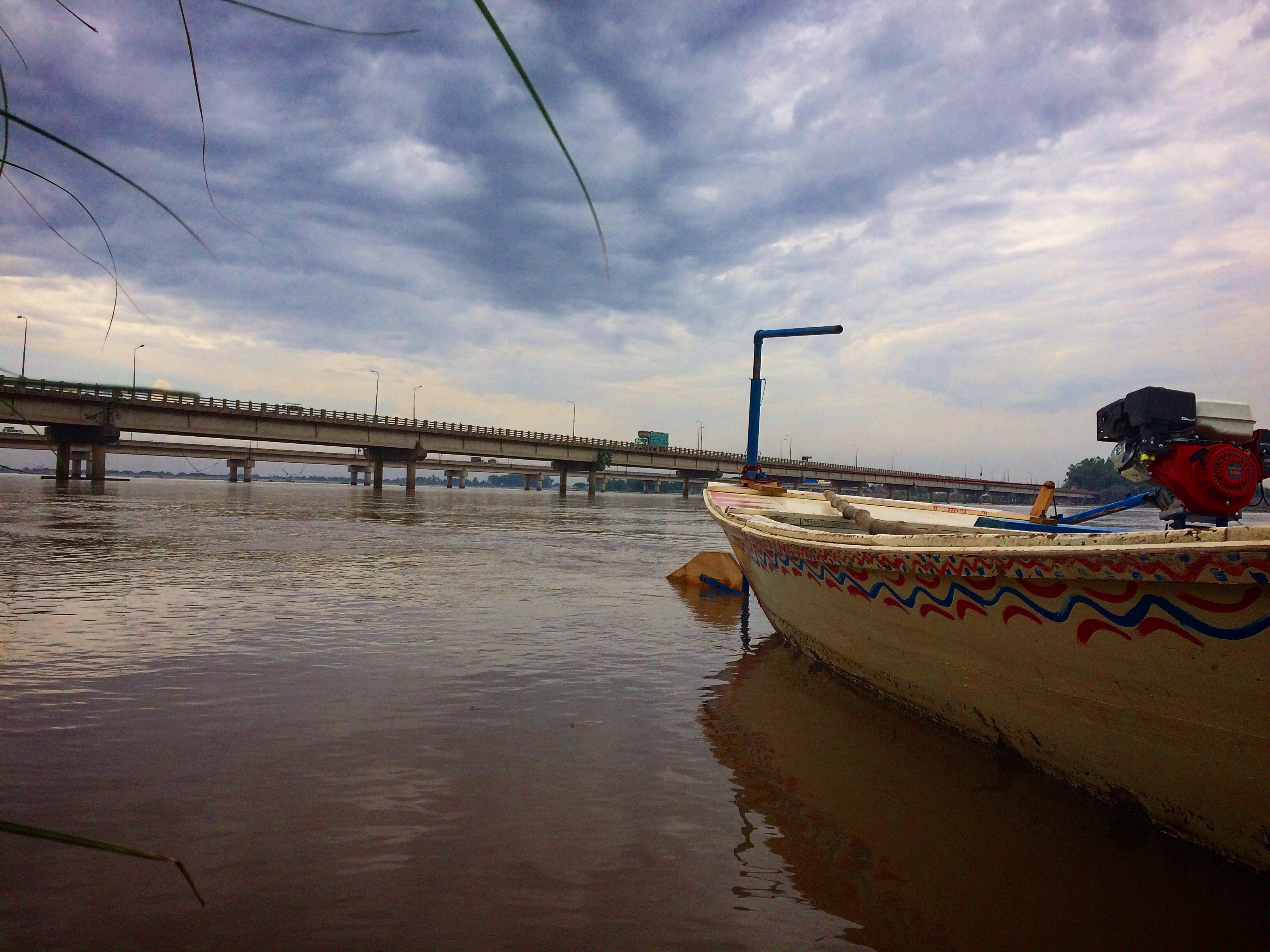
India released water from dams into the Chenab River on July 22 [1], prompting Pakistani authorities to issue a flood alert.
The move increases the risk of severe flooding in Pakistan's Punjab province, where water levels can rise rapidly following upstream releases from Indian-administered Kashmir.
Water authorities in India initiated the release after heavy rains raised reservoir levels [1]. While some reports identify the Baglihar Dam as the source [3], other accounts attribute the release to the Salal Dam. Officials said the process was used to warn Pakistan about potential cross-border flooding [2].
The Chenab River flows from Indian-administered Kashmir into Pakistan, making downstream regions highly dependent on upstream water management. In previous flooding events in Punjab, up to 2 million people have been identified as being at risk [3].
Pakistan has previously taken emergency measures during similar surges. In one instance, authorities evacuated 150,000 people to mitigate the impact of rising waters [4]. The current alert follows the July 22 release, as officials monitor the flow into the province.
The situation highlights the fragile nature of water sharing between the two nations. India has continued to manage its dam infrastructure in the region, though some reports indicate the Indus Water Treaty remains on hold for Pakistan [3].
“India released water from dams into the Chenab River on July 22”
The release of water into the Chenab River underscores the geopolitical tension surrounding water security in South Asia. Because India controls the upstream flow, technical dam management often becomes a point of strategic friction, particularly when weather extremes like heavy rains force rapid releases that can devastate downstream agricultural hubs in Pakistan.


