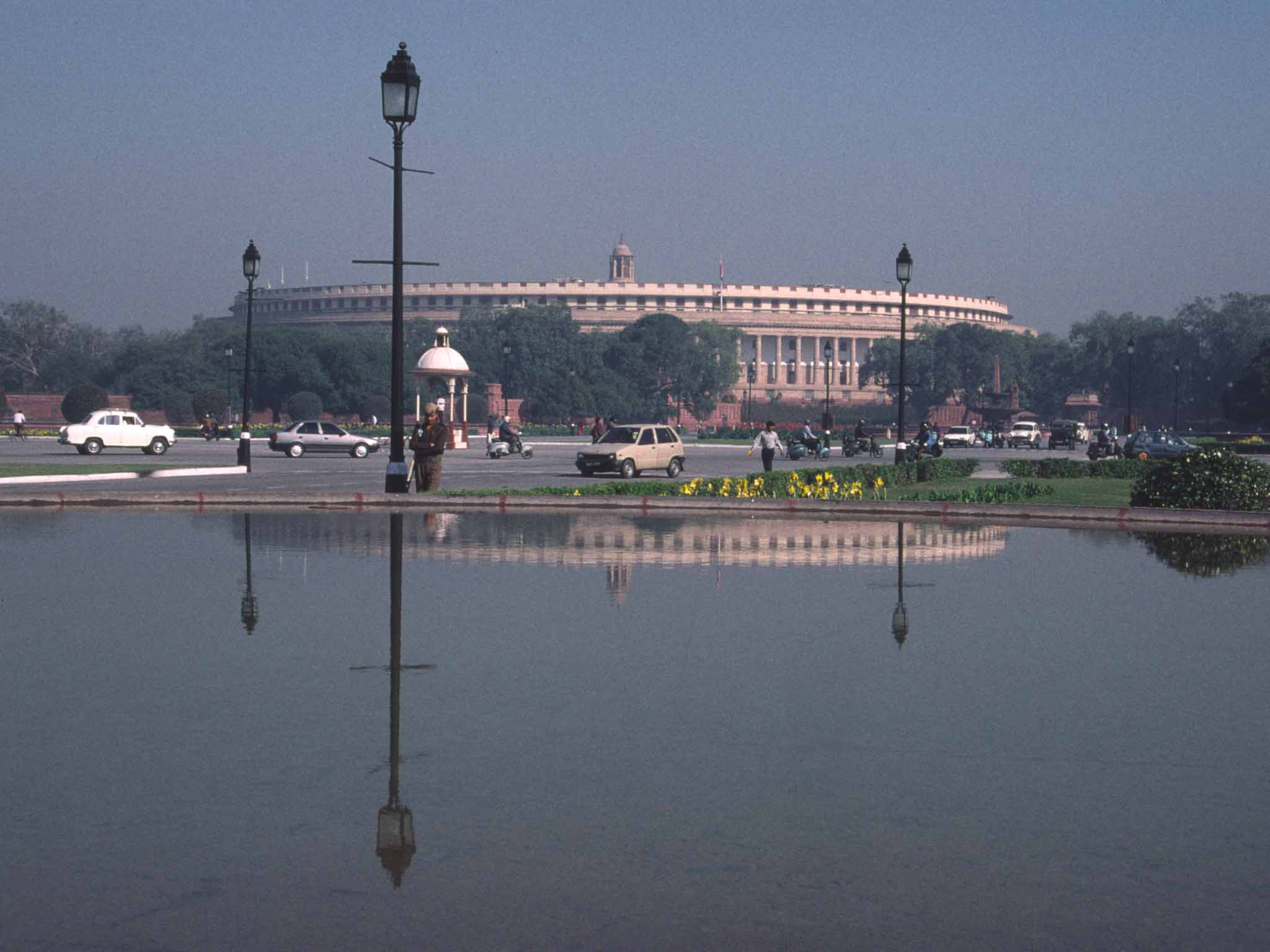
Thousands of youth-led protesters marched toward the Indian Parliament building in New Delhi on Monday to demand the education minister's resignation [1, 2].
The demonstrations reflect deepening frustration among Gen-Z activists and students over high unemployment rates and a failing education system. The scale of the unrest suggests a growing disconnect between the government's policies and the aspirations of the country's youth.
The movement, known as the Cockroach Janta Party, saw a turnout ranging from thousands [2] to tens of thousands of participants [1]. Protesters defied police orders to disperse, leading to violent clashes near the Lok Sabha. Reports on the police response varied, with accounts of officers using tear gas [2], batons [3], and canes [4] to break up the crowds.
Authorities reported significant casualties among law enforcement. According to IndiaTV, more than 100 police officers were injured and 70 were detained during the unrest [5]. The protests were characterized by a high concentration of students who view the current administration's academic and labor strategies as inadequate.
Organizers of the Cockroach movement said that the march was a response to systemic failures in the education sector. The group focused its demands on the immediate resignation of the education minister as a prerequisite for further dialogue with the government [6].
Security forces maintained a heavy presence around the Parliament building throughout the day. While the protesters sought to bring their grievances directly to the legislators, the clashes resulted in multiple arrests and disrupted traffic across the capital city.
“Thousands of youth-led protesters marched toward the Indian Parliament building”
The emergence of the Cockroach Janta Party as a mobilized political force highlights a critical volatility in India's youth demographic. By targeting the education minister specifically, the movement identifies the academic system as the primary bottleneck to economic opportunity. The clash between Gen-Z activists and state security forces indicates that systemic grievances over unemployment are transitioning from academic debate into direct, confrontational action in the nation's capital.


