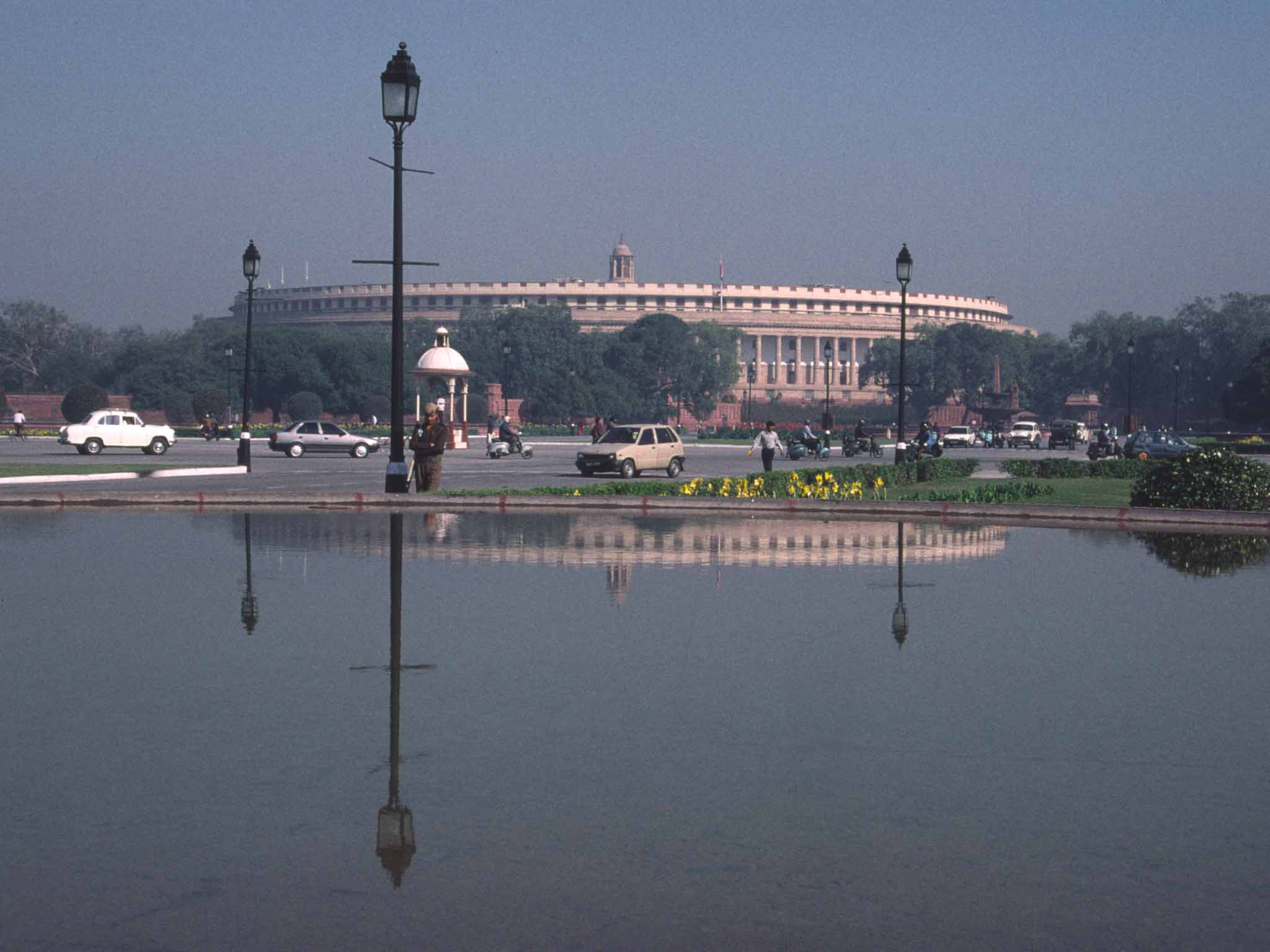
Indian police used batons and tear gas to disperse a march toward the parliament building in New Delhi on Monday, May 30, 2026 [1], [2].
The clash highlights growing youth frustration over systemic corruption in India's academic sector. The movement represents a direct challenge to the government's handling of national examinations and the perceived failure of educational oversight.
Supporters of the Cockroach Janta Party, an anti-government youth movement, organized the demonstration to demand the resignation of Education Minister Dharmendra Pradhan [1], [3]. The protesters said exam-paper leaks and broader scandals within the education sector were the primary drivers for their demands [3], [5].
Estimates of the crowd size vary across reports. Some sources said that tens of thousands of people joined the march [1], while other reports indicate there were more than 10,000 protesters [2]. Despite the numbers, police moved in to break up the assembly using force to prevent the group from reaching the parliament building [1], [2].
While the immediate goal of the march was the removal of the Education Minister, some observers said the event was a broader challenge to the government of Prime Minister Modi regarding education corruption [5]. The Cockroach Janta Party has positioned itself as a voice for students who feel betrayed by the administrative failures leading to leaked exam papers [3].
Security forces deployed tear gas and baton charges to clear the streets near the parliament [1], [2]. No official casualty figures were provided in the immediate reports, but the confrontation underscores the volatility of youth-led political movements in the capital.
“Indian police used batons and tear gas to disperse a march toward the parliament building”
The emergence of the Cockroach Janta Party suggests a shift in how Indian youth are organizing against government perceived incompetence. By focusing on exam-paper leaks—a critical issue for millions of students seeking employment and advancement—the movement has tapped into a potent source of socio-economic grievance that transcends traditional party lines.


