India's Union Minister for Commerce and Industry Piyush Goyal addressed a press conference Thursday regarding the nation's evolving trade agreements and export strategies.
These developments signal India's aggressive push to diversify its trade partnerships and reduce reliance on traditional markets through strategic free-trade agreements. By securing these pacts, India aims to lower tariffs and increase the competitiveness of its goods in emerging markets.
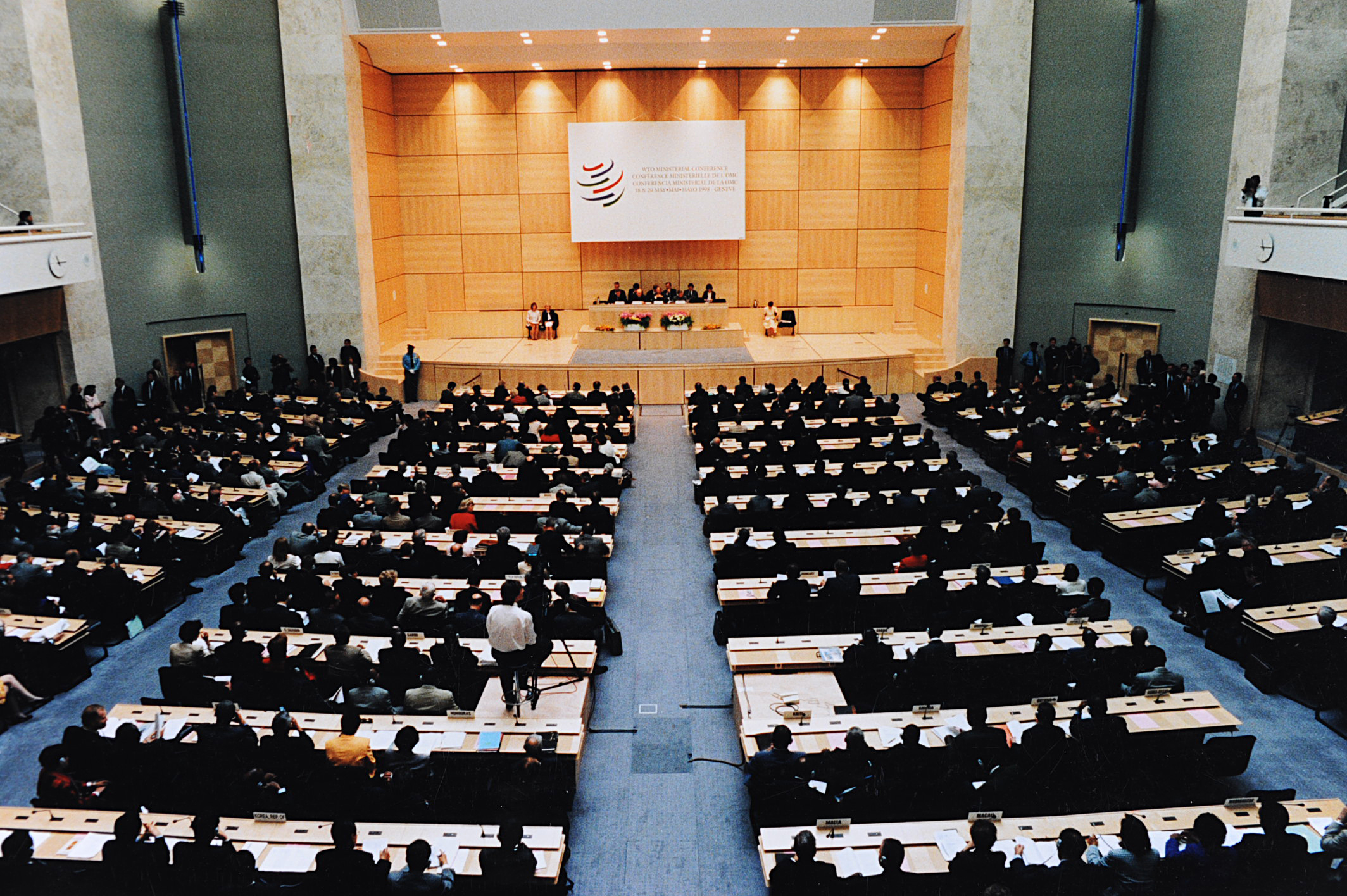
Speaking at the World Trade Organization (WTO) ministerial conference in New Delhi, Goyal said the progress of several bilateral initiatives. He said that India began implementing its free-trade agreement with Oman on May 1 [1]. The move is intended to streamline trade flows and strengthen economic ties between the two nations.
Goyal also said the importance of engaging with domestic industry leaders to maximize the benefits of these international deals. He scheduled meetings with exporters and industry associations to discuss the implications of a recent pact with New Zealand [1], [2]. These consultations are designed to ensure that Indian businesses can effectively utilize the new market access provided by the agreement.
The press conference occurred amid the broader context of the WTO ministerial meeting, where global trade leaders discuss regulatory frameworks and dispute resolutions. Goyal's focus on bilateral agreements suggests a dual-track approach—participating in multilateral diplomacy while prioritizing direct, high-impact deals with specific partners.
Industry bodies are expected to provide feedback on the practical challenges of exporting to these new regions. The government seeks to identify specific sectors that can scale rapidly under the new tariff structures, particularly in manufacturing, and services [2].
“India began implementing its free-trade agreement with Oman on May 1.”
The simultaneous pursuit of a multilateral presence at the WTO and bilateral agreements with Oman and New Zealand indicates India's strategy to hedge against global trade volatility. By locking in specific terms with individual nations, India can create guaranteed corridors for its exports even if broader global trade negotiations remain stalled.


