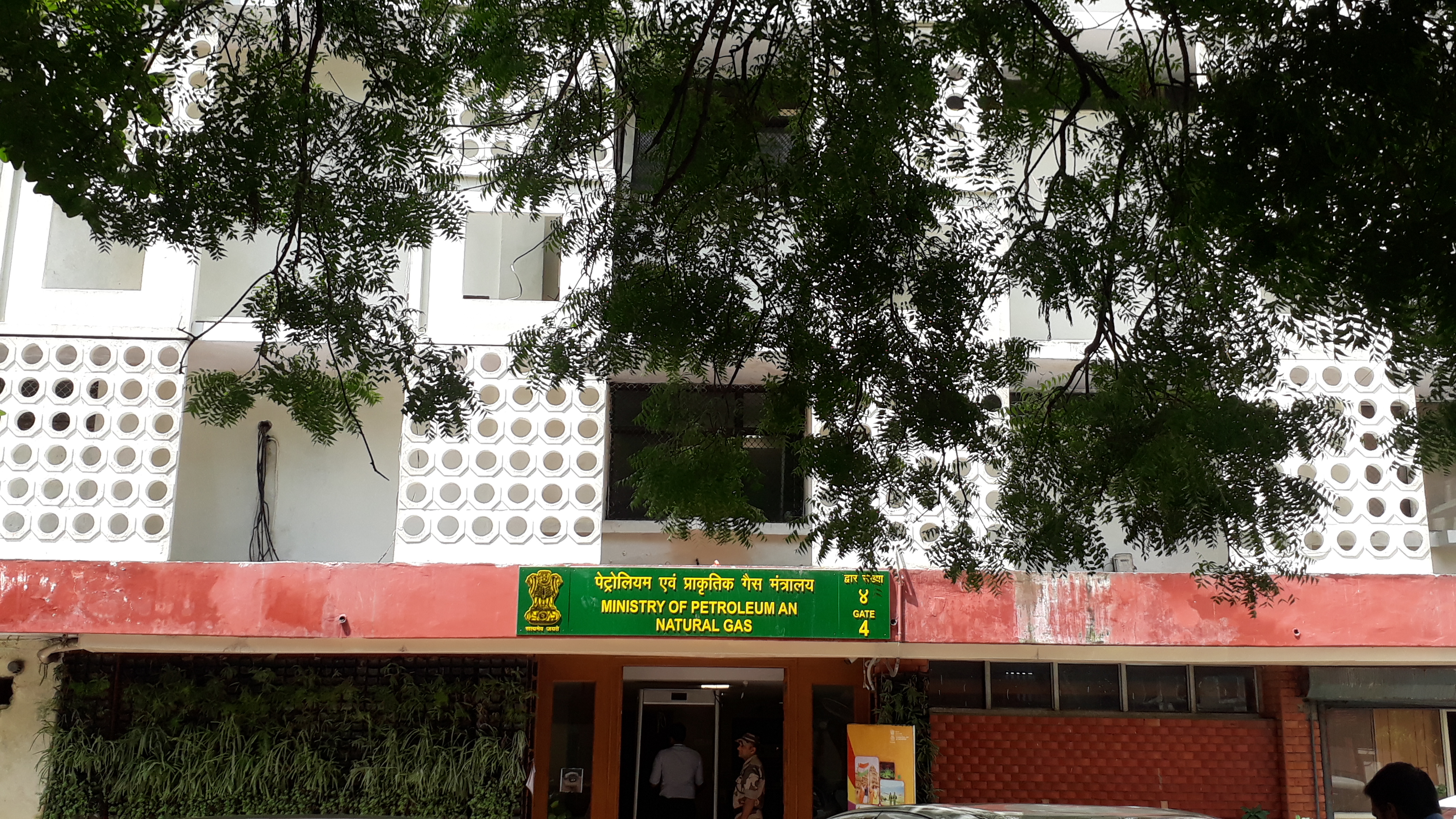
The Indian government denied any proposal to raise petrol and diesel prices on April 23, 2026, calling such reports fake news [1].
Fuel costs are a critical economic indicator in India, and rumors of price spikes often trigger consumer panic and market instability. By issuing a formal denial, the government seeks to stabilize public sentiment and counteract viral misinformation.
A spokesperson for the Ministry of Petroleum and Natural Gas said the government is not considering any increase in petrol or diesel prices. The official described the circulating reports as "mischievous and misleading" [1].
These reports included specific claims that petrol prices would increase by ₹10 per litre and diesel by ₹12.50 per litre [4]. The ministry dismissed these figures as fabrications, saying that such claims are "fake news aimed at creating unnecessary panic among the public" [2].
Other media reports had speculated on different figures, including a potential ₹6 per litre increase for diesel in May [5]. The government rejected these speculations, saying that no such hike is planned [3].
In a statement regarding the nation's energy pricing, the Ministry of Petroleum and Natural Gas said India remains the only country where petrol and diesel prices have not increased in the last four years [3]. This claim highlights the administration's effort to frame its fuel policy as a shield against global volatility.
The government's response follows a series of viral videos and articles suggesting imminent price hikes. Officials said that the primary goal of the denial was to correct misinformation and prevent an artificial surge in demand as consumers rush to fill tanks before nonexistent price jumps [3].
“"The government is not considering any increase in petrol or diesel prices."”
The Indian government's aggressive dismissal of fuel price rumors suggests a high priority on maintaining social stability and political optics. By claiming a four-year freeze on prices, the administration is positioning itself as a protector of the consumer against inflation, making any perceived price hike a significant political liability.


