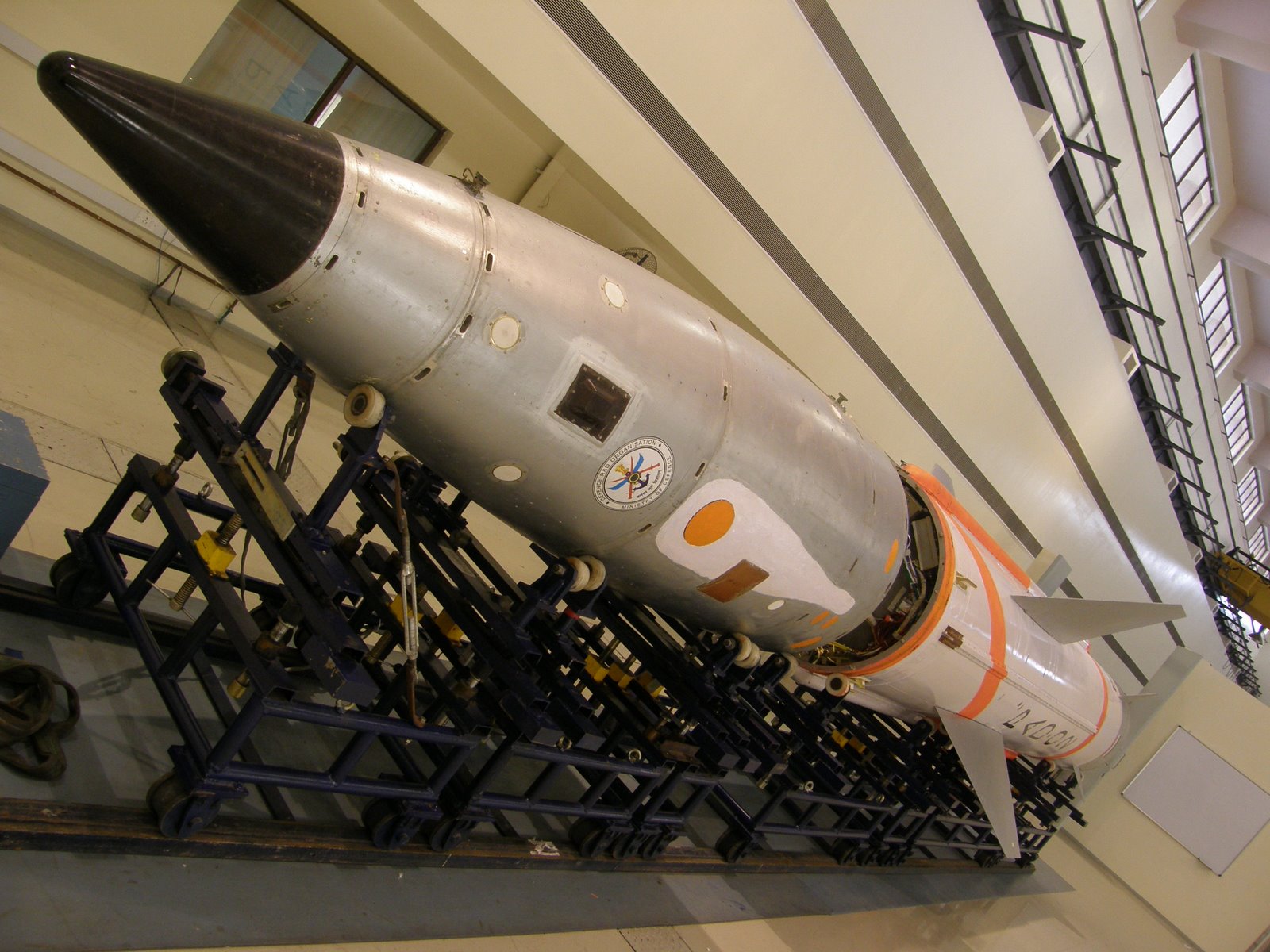
India's Gas Turbine Research Establishment has developed a 350 kg-thrust expendable turbojet engine for use in cruise missiles and unmanned aerial vehicles [1].
This development marks a significant shift toward indigenous defense production. By creating a domestic propulsion solution, India aims to reduce its strategic dependence on engine suppliers from the U.S., Russia, and France [3].
The engine, developed by the Gas Turbine Research Establishment (GTRE) under the Defence Research and Development Organisation (DRDO), is designed for single-use applications [1]. It is specifically intended for cruise missiles, target drones, and other UAVs [2]. The project focuses on providing a low-cost, high thrust-to-weight ratio to meet the demands of modern warfare [3].
According to technical specifications, the engine provides a thrust rating of 350 kg-force [1]. The development process was completed in 2024 [1]. This allows the Indian military to scale the production of expendable systems without facing the export restrictions or delays often associated with foreign hardware [3].
The move toward expendable turbojets allows for the deployment of more cost-effective target drones for training and high-speed cruise missiles for strategic deterrence. By controlling the entire design and manufacturing cycle, the GTRE can iterate on the engine's efficiency and thrust without external oversight [2].
This capability is part of a broader national effort to localize defense technology. The shift ensures that critical components for UAVs and missiles are available regardless of geopolitical tensions or supply chain disruptions [3].
“India's Gas Turbine Research Establishment has developed a 350 kg-thrust expendable turbojet engine”
The development of a domestic expendable turbojet engine removes a critical bottleneck in India's missile and drone programs. Because these engines are 'expendable' or single-use, they are cheaper to produce than long-life aircraft engines, allowing India to mass-produce cruise missiles and target drones. This enhances tactical autonomy and reduces the risk that foreign sanctions or diplomatic disputes could ground its unmanned aerial fleet.


