
Geopolitical stability will determine the next move for Indian equity markets, which are currently holding above 24,000 [1].
This outlook is critical because the sustainability of the current market rally depends on external factors that can trigger sudden volatility. For investors, the intersection of international diplomacy and commodity pricing creates a precarious environment for long-term growth.
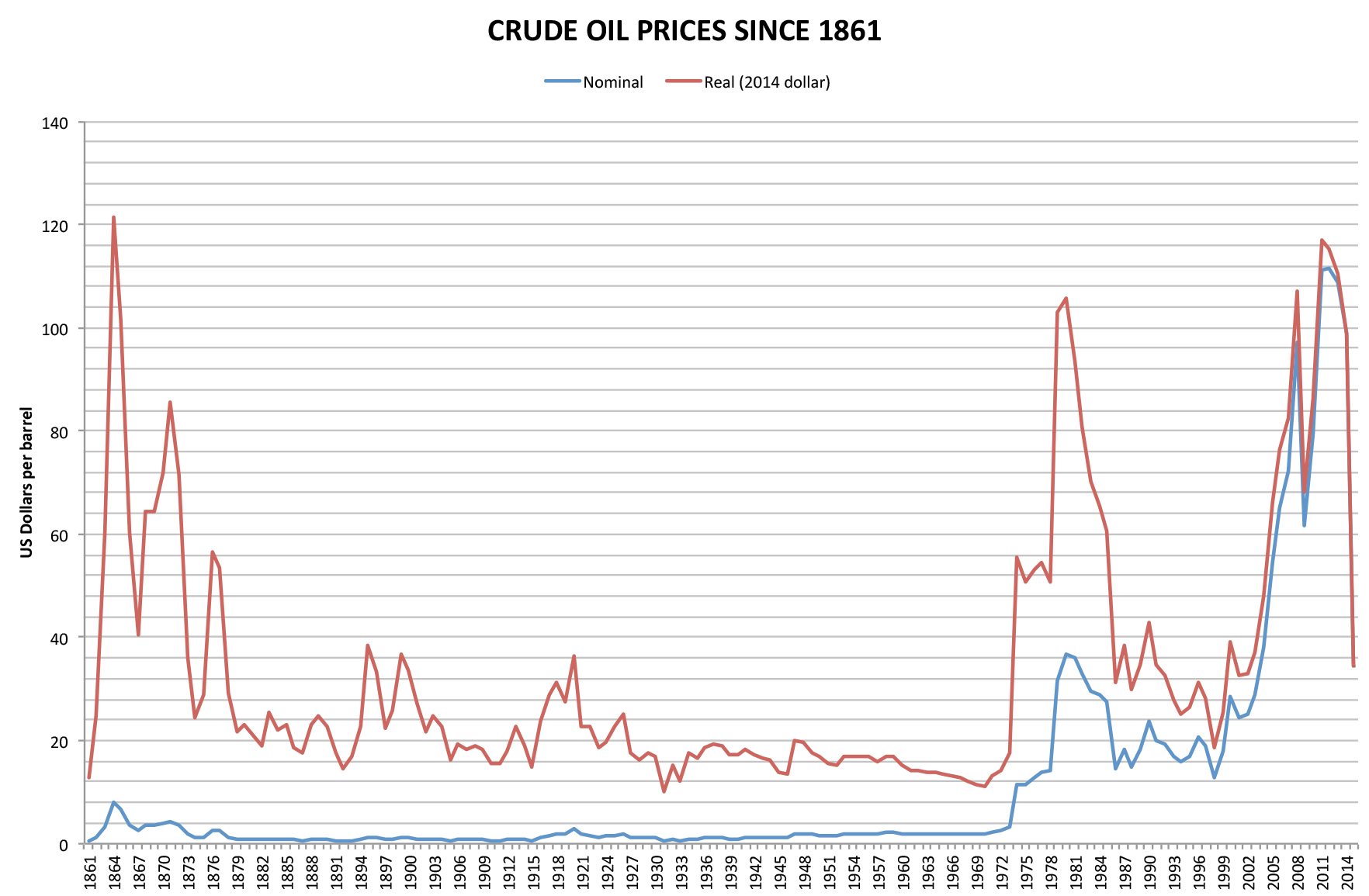
Sandip Sabharwal, a market expert, said that the direction of the markets is closely tied to stability in West Asian geopolitics [1]. He said that developments in that region directly influence crude oil prices, which in turn affect overall market sentiment [1].
India is particularly sensitive to fluctuations in oil costs due to its reliance on imports. When geopolitical tensions rise in West Asia, oil prices often spike, putting pressure on the national economy, and weighing down equity performance [1].
While the markets have shown resilience by maintaining their position above 24,000 [1], Sabharwal said the next phase of movement remains contingent on these global variables. The current buoyed sentiment provides a foundation, but it remains vulnerable to shocks originating outside of India's domestic borders [1].
Market participants are now monitoring diplomatic efforts and regional security updates to gauge whether the rally can be sustained or if a correction is imminent [1].
“Geopolitical stability will determine the next move for Indian equity markets”
The reliance of Indian equities on West Asian stability highlights the vulnerability of emerging markets to 'black swan' geopolitical events. Because crude oil is a primary cost driver for the Indian economy, any instability in the Middle East acts as an indirect tax on corporate earnings and consumer spending, potentially offsetting domestic economic gains.


