India expects a revenue loss of over ₹1 lakh crore [1] following a ₹10-per-litre cut in central excise duty on petrol and diesel [3].
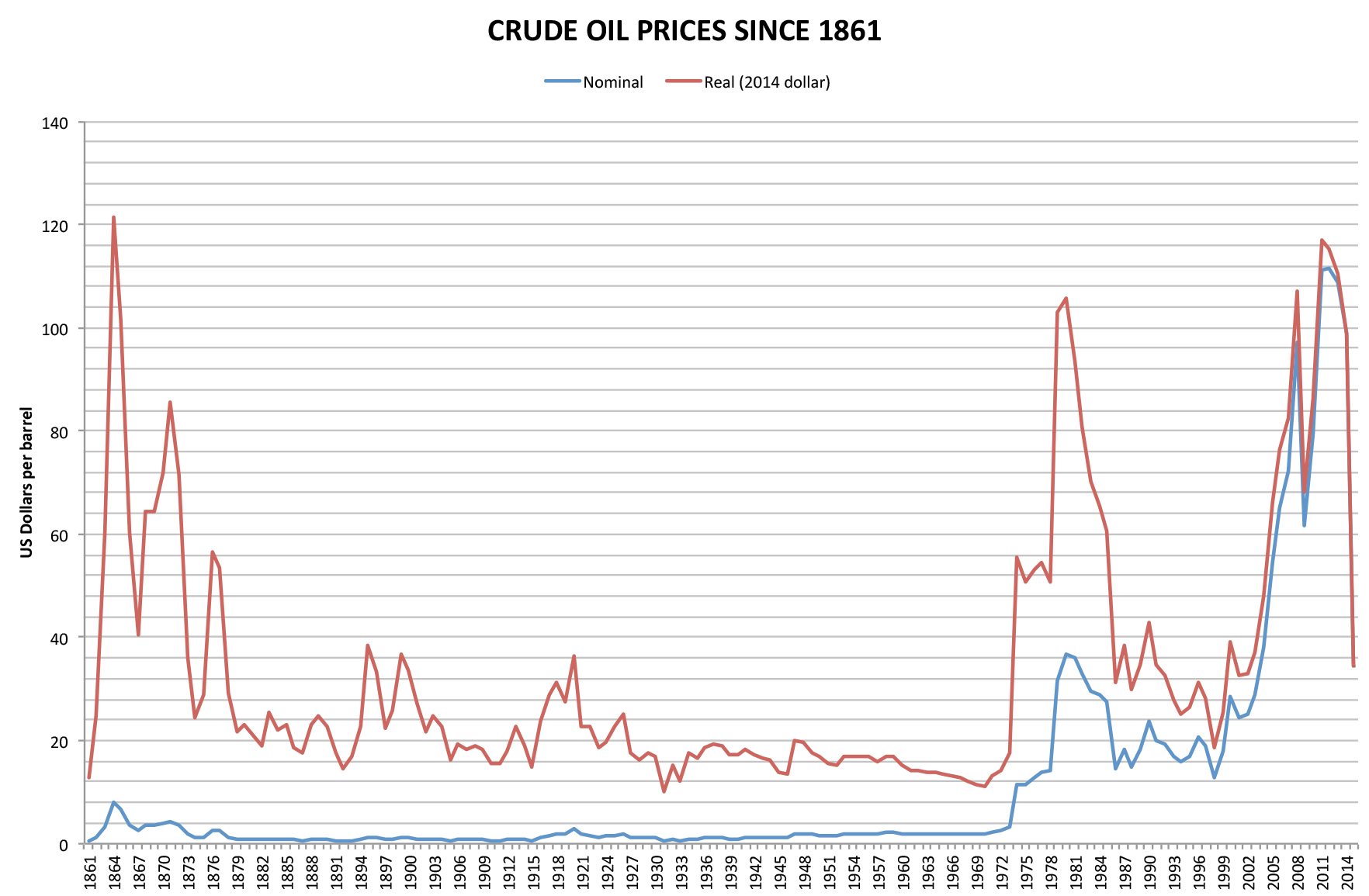
The measure aims to protect consumers from a fuel-price shock caused by rising international energy costs. By reducing the tax burden, the government intends to mitigate the impact of global crude oil price volatility on the domestic economy.
Union Finance Minister Nirmala Sitharaman said the revenue hit is a consequence of the decision to lower taxes to stabilize prices. The impact is projected for the fiscal year 2026 [5]. State-owned oil marketing companies, known as OMCs, are absorbing the short-term financial shortfall to prevent immediate price hikes at the pump.
Reports indicate that OMCs are incurring daily under-recoveries ranging from ₹1,600 crore to ₹1,700 crore [2]. This financial strain has accumulated over a period of approximately 10 weeks [4]. The OMCs have acted as a buffer, absorbing the losses to shield the Indian public from the direct effects of the Middle East crisis, and other global energy pressures.
While the duty cut provides temporary relief to motorists and transport sectors, the scale of the loss highlights the tension between maintaining low retail prices and ensuring government revenue. The central government continues to monitor global markets to determine the sustainability of these subsidies as the fiscal year progresses.
“The government is expected to incur a revenue loss of over ₹1 lakh crore.”
The Indian government is prioritizing inflation control and social stability over immediate fiscal gains. By shifting the burden of rising crude prices onto state-run oil firms, the government avoids the political fallout of fuel price hikes but increases the financial vulnerability of OMCs and creates a significant hole in the national budget for 2026.


