
India increased the price of petrol and diesel by Rs 3 per litre nationwide on May 15, 2026 [1, 2].
The price hike marks the first such increase in four years [2]. It signals the domestic impact of escalating geopolitical tensions in West Asia, which have disrupted global energy supplies and pushed crude oil costs to critical levels.
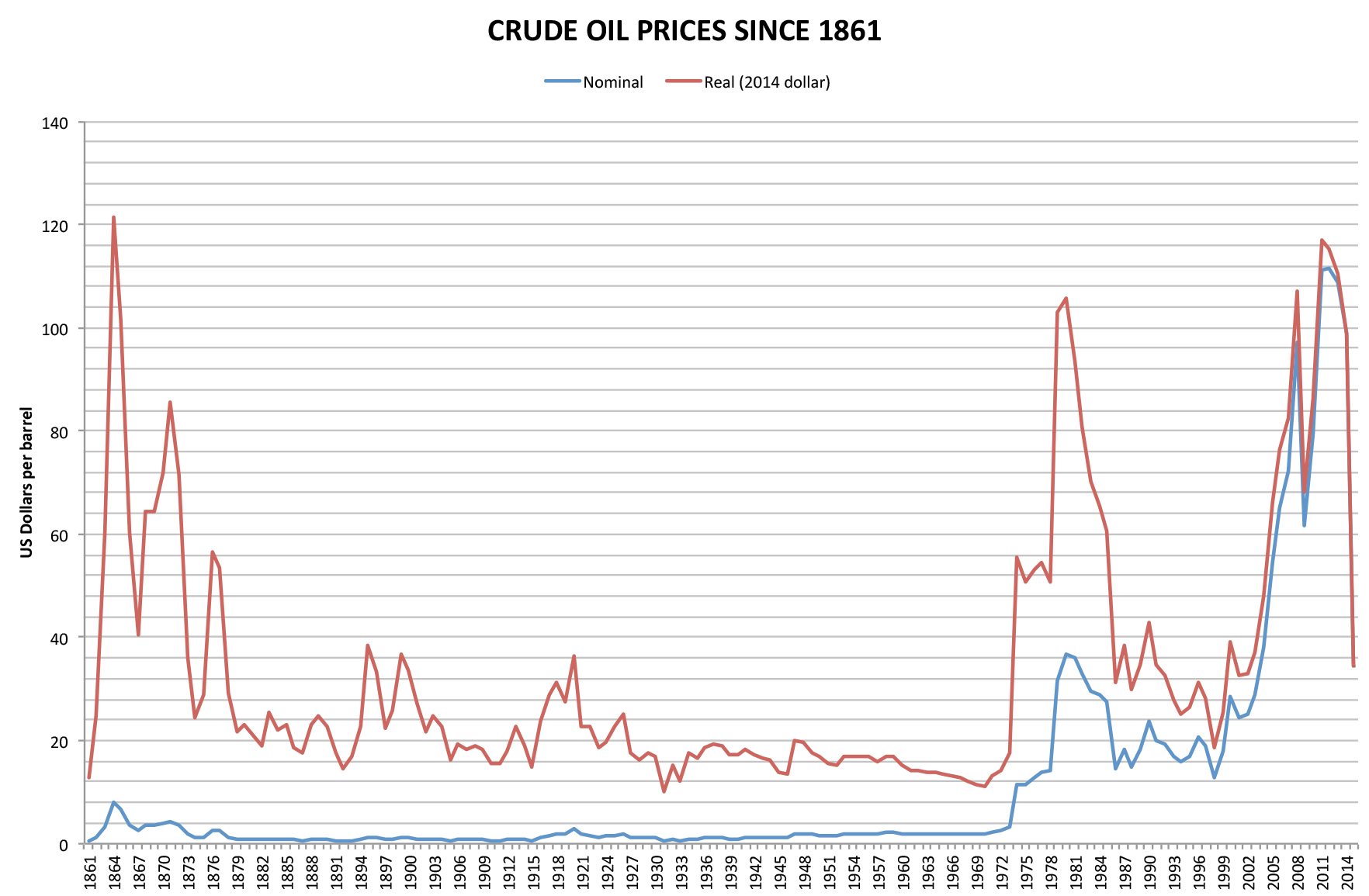
The Union Petroleum Minister said the adjustment follows a surge in global crude-oil prices, which have climbed above $100 per barrel [3, 4]. The price volatility is attributed to the ongoing conflict between the U.S. and Iran, as well as the blockade of the Strait of Hormuz [4, 5]. These factors have severely restricted the flow of oil from one of the world's most vital maritime corridors.
Government officials said that India has avoided a larger fuel crisis despite the instability [6]. While the domestic increase was limited to Rs 3 [1], some other countries have seen fuel price surges of up to 100% [7].
The decision to raise prices reflects the challenge of maintaining energy security while facing external supply shocks. The blockade of the Strait of Hormuz has created a bottleneck that affects oil-importing nations globally, forcing governments to choose between absorbing the cost or passing it to consumers.
Oil companies said the hike was a necessary response to the rising cost of procurement [2]. The government continues to monitor the situation in West Asia to determine if further adjustments will be required as the conflict evolves [4, 5].
“Petrol and diesel prices were increased by Rs 3 per litre each.”
The price hike reflects India's vulnerability to geopolitical instability in the Middle East, particularly regarding the Strait of Hormuz. By implementing a modest increase compared to the 100% surges seen in other nations, the Indian government is attempting to balance fiscal stability with public affordability during a period of extreme global market volatility.



