India's state-run fuel retailers and oil companies have raised petrol and diesel prices for the second time in one week [1, 2].
These price adjustments place a direct financial burden on consumers and transport operators across major Indian cities. The move reflects the volatility of the global energy market and the limited capacity of state-run firms to absorb rising procurement costs.
Petrol prices rose by 87 paise [1], bringing the cost to ₹98.64 per litre [1]. Diesel prices increased by 91 paise [1], reaching ₹91.58 per litre [1]. According to reports, the overall retail price hike totals approximately ₹3 per litre, representing a roughly 3% increase [2].
The price hikes are affecting key urban centers, including New Delhi, Mumbai, and Bengaluru [3]. This follows a previous price revision that occurred on Monday [1].
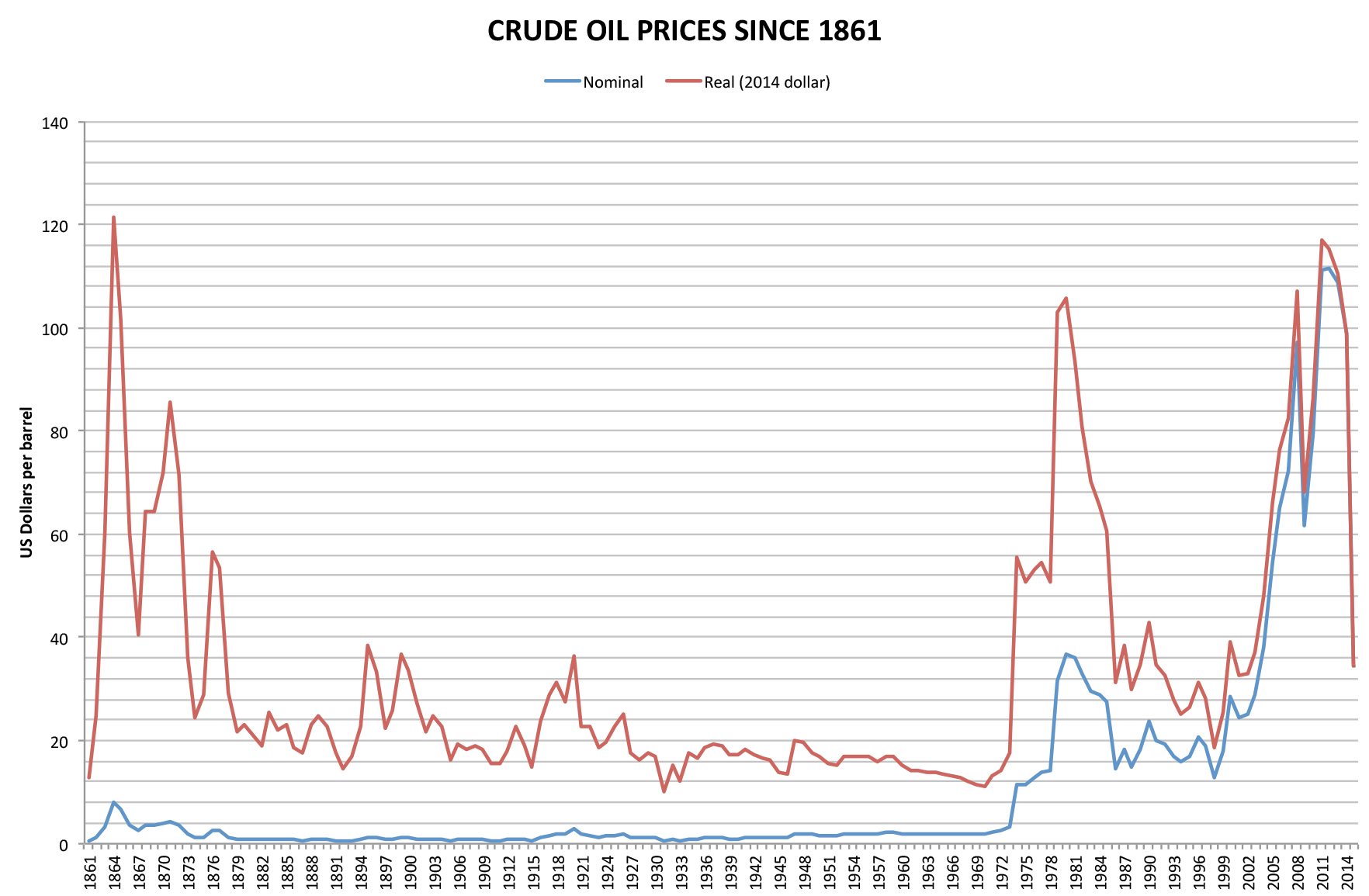
Industry data indicates that global crude-oil prices have climbed to approximately $114 per barrel [3]. This surge in raw material costs has pressured state-run oil companies to pass the expense on to the end consumer to maintain operational margins [2, 3].
While some reports suggest this is the first significant increase in four years [2], other data indicates a pattern of rapid adjustments within the current month [1]. The timing of these changes coincides with shifting geopolitical tensions and market reactions to the conflict between the U.S. and Iran [2].
“Petrol prices rose by 87 paise, bringing the cost to ₹98.64 per litre.”
The decision to hike fuel prices twice in one week signals that Indian state-run oil firms can no longer shield the domestic market from global price shocks. With crude oil hovering around $114 per barrel, the government faces a difficult balance between maintaining the financial health of energy companies and preventing inflationary pressure on the broader economy, particularly in the transport and logistics sectors.


