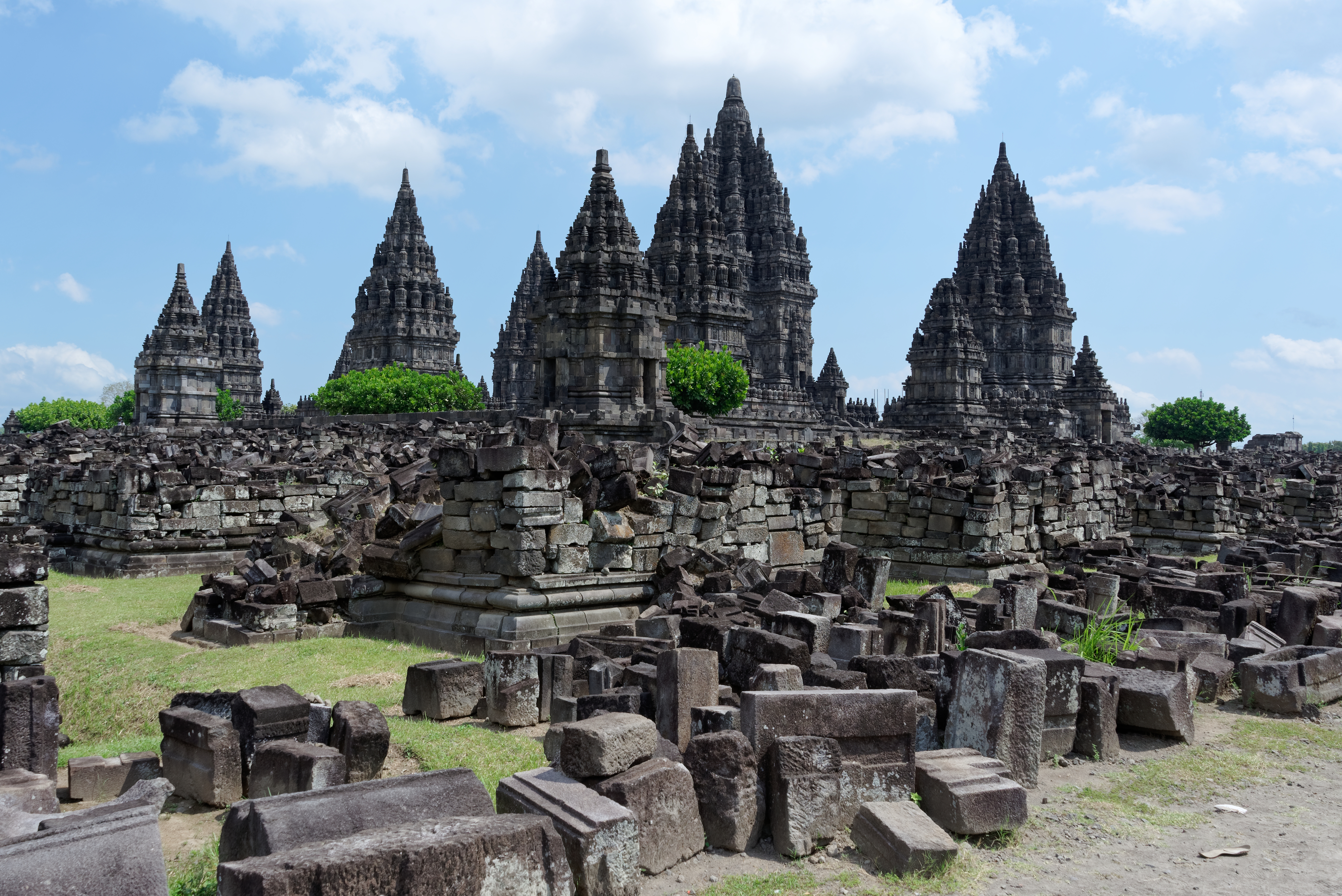
Prime Minister Narendra Modi and President Prabowo Subianto visited the Prambanan Temple complex in Yogyakarta on Wednesday to launch a conservation project [2].
The initiative marks a significant step in the Comprehensive Strategic Partnership between India and Indonesia. By funding the restoration of a shared cultural landmark, both nations aim to deepen diplomatic relations through the lens of their ancient civilisational links [1, 2].
The Prambanan Temple, a UNESCO World Heritage site, is approximately 1,000 years old [1]. The India-backed project focuses on the restoration and conservation of the complex, which includes a prominent Shiva shrine [1, 2]. The visit took place on July 8, 2026 [2, 3].
This diplomatic engagement is part of a broader three-nation visit by Modi [3]. The collaboration emphasizes the historical exchange of architecture and spirituality between the two regions, a connection that continues to define their modern bilateral framework [1].
Officials said that the project is designed to preserve the structural integrity of the site while promoting cultural tourism. The joint effort underscores a mutual commitment to safeguarding global heritage sites that represent the intersection of Indian and Indonesian history [1, 2].
“The initiative marks a significant step in the Comprehensive Strategic Partnership between India and Indonesia.”
The use of 'cultural diplomacy' via the restoration of the Prambanan Temple allows India to project soft power in Southeast Asia. By investing in Indonesia's tangible heritage, New Delhi strengthens its strategic footprint in the region and reinforces a narrative of shared ancestry and values, which serves as a diplomatic counterbalance to other regional influences.


