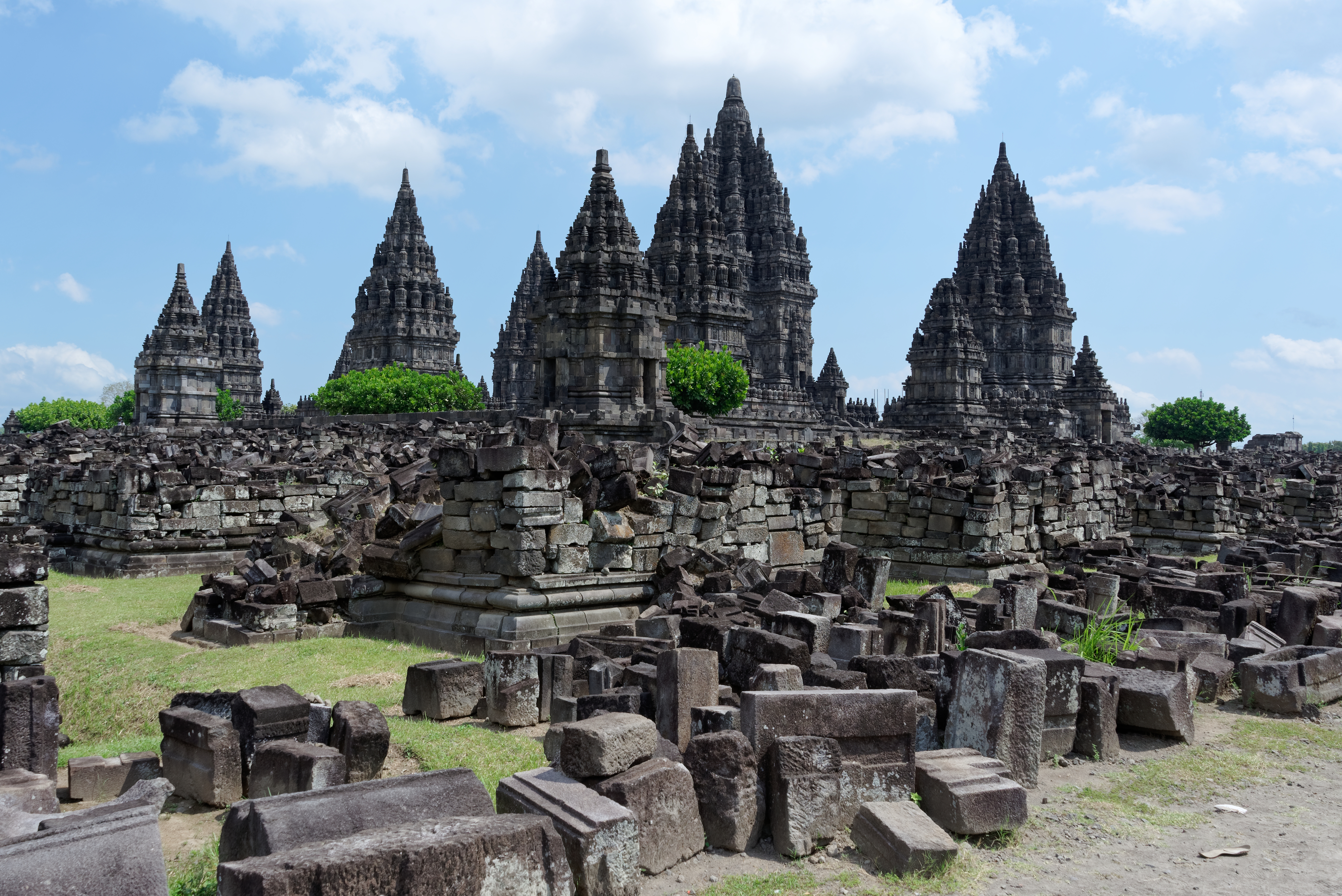
Indian Prime Minister Narendra Modi and Indonesian President Prabowo Subianto signed a pact on July 8, 2026, to restore the Prambanan Temple complex [3].
The agreement strengthens diplomatic and cultural ties between the two nations by preserving a shared civilizational legacy. By utilizing Indian technical expertise to protect an ancient Hindu shrine in Indonesia, the project serves as a symbol of bilateral cooperation beyond trade and security.
The leaders visited the temple complex in Yogyakarta on Wednesday [1], [4]. During the visit, a Letter of Intent was signed to initiate a joint restoration project for the UNESCO World Heritage site [1], [5]. The Archaeological Survey of India will provide assistance in the conservation efforts [1].
The Prambanan Temple is a ninth-century Hindu shrine and is nearly 1,000 years old [2]. The joint project aims to complete the restoration of the historic complex by 2029 [5].
Modi offered prayers at the site during the visit [3]. The collaboration focuses on the conservation of the temple's structural integrity and the preservation of its historical artistry, ensuring the site remains accessible for future generations.
This initiative follows a series of diplomatic engagements intended to boost ties between India and Indonesia [4]. The partnership leverages the Archaeological Survey of India's experience in heritage management to support Indonesia's efforts in maintaining the sprawling temple complex [1].
“India and Indonesia signed a pact to restore the Prambanan Temple complex.”
The restoration of Prambanan Temple represents a strategic use of 'cultural diplomacy' by India to deepen its influence in Southeast Asia. By providing technical expertise through the Archaeological Survey of India, New Delhi reinforces historical links with Jakarta, creating a soft-power bridge that complements existing economic and security partnerships in the Indo-Pacific region.


