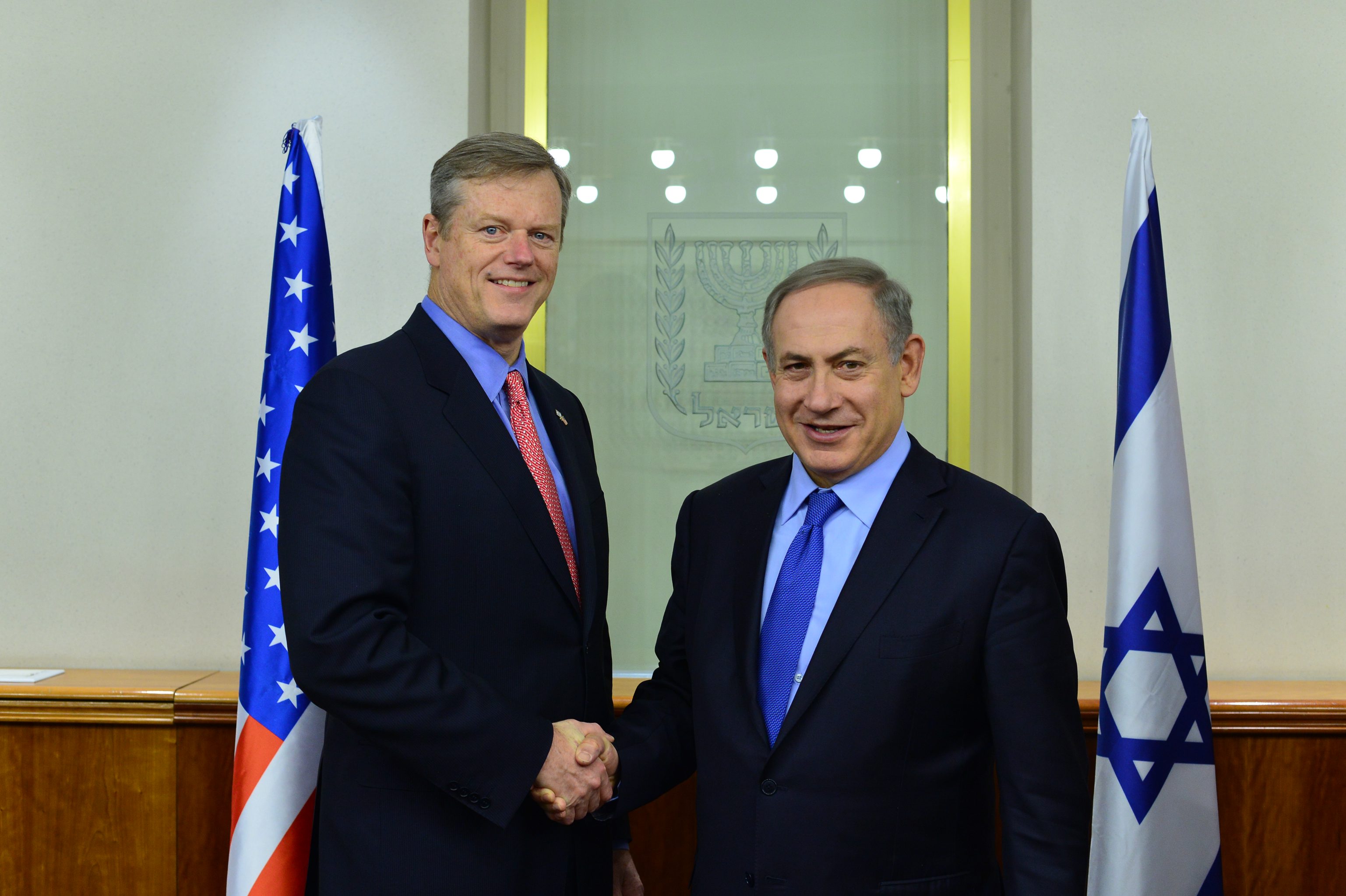
Indian Prime Minister Narendra Modi and Japanese Prime Minister Sanae Takaichi signed several cooperation pacts in New Delhi on Thursday, July 2, 2026 [1].
These agreements signal a shift toward high-tech strategic cooperation and mutual economic security between the two nations. By aligning their interests in critical technologies and resource management, India and Japan aim to reduce vulnerabilities in their respective supply chains.
The pacts cover four primary sectors: artificial intelligence, metals, energy, and defense [2]. The leaders also agreed to prepare a joint roadmap for economic security to ensure stability in the face of global market volatility.
Financial commitments formed a central part of the summit. Japan has pledged over $10 billion [3] in new investment. Furthermore, the two countries have established a target investment of ¥10 trillion [3] to be deployed over the next decade.
The 16th India-Japan Annual Summit focused on deepening bilateral ties through these specific technological and industrial upgrades. The agreements in metals and energy are designed to secure raw materials and sustainable power sources for both economies.
The partnership now emphasizes a transition from traditional trade toward a more integrated strategic alliance. This includes the joint development of AI frameworks and enhanced defense cooperation to maintain regional stability.
“India and Japan signed a series of pacts to boost cooperation in artificial intelligence, metals, energy, and defense.”
The scale of the ¥10 trillion investment target indicates a long-term commitment to intertwine the Indian and Japanese economies. By focusing on AI and critical metals, both nations are attempting to insulate themselves from external supply shocks and accelerate their transition to high-tech industrial bases, effectively creating a strategic counterweight in the Indo-Pacific region.