Prime Minister Narendra Modi and Japanese Prime Minister Sanae Takaichi met in New Delhi on Thursday for the 16th India-Japan Annual Summit [1].
The meeting signals a deepening of the Special Strategic and Global Partnership between two major Indo-Pacific powers seeking to stabilize regional security and technology supply chains.
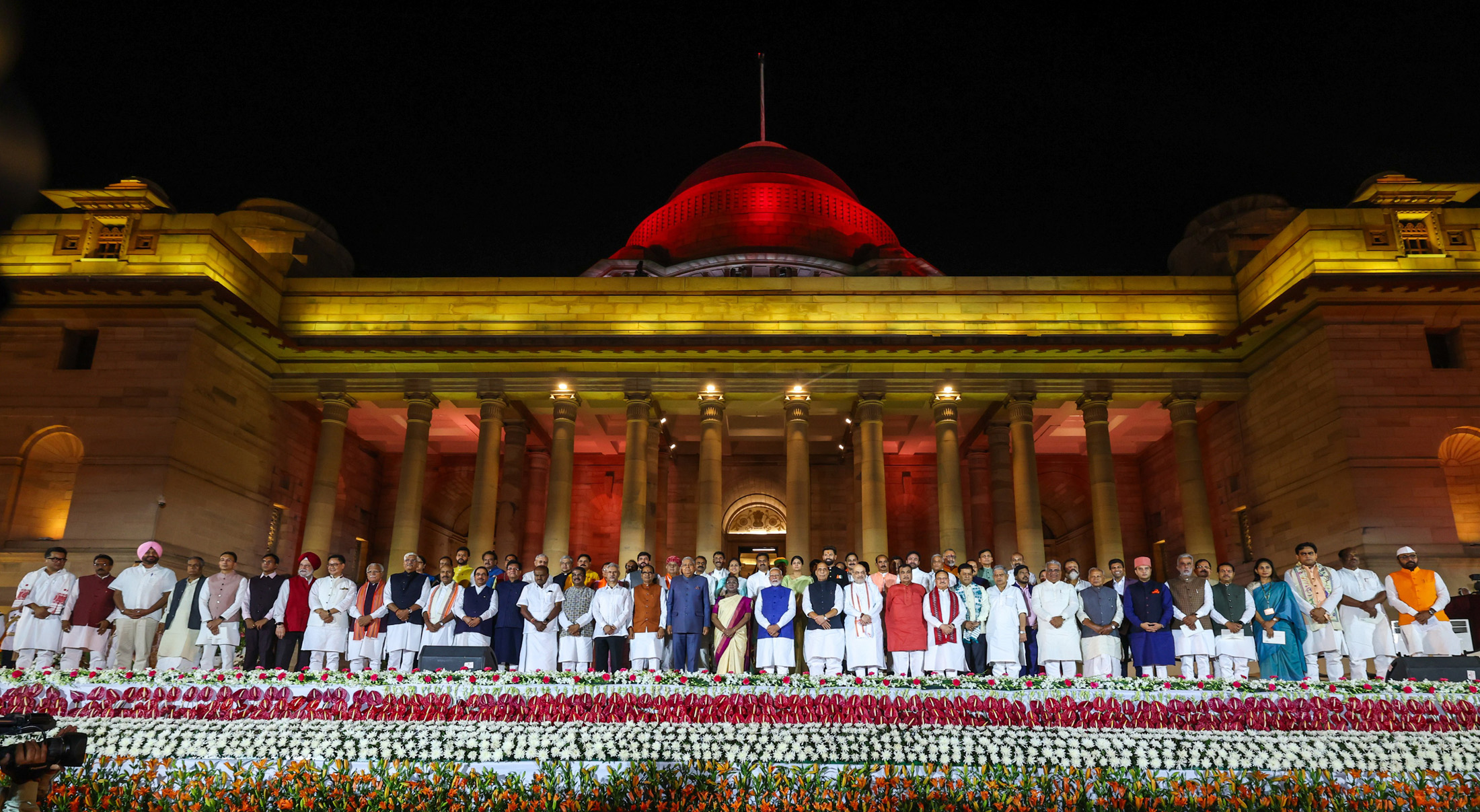
Prime Minister Takaichi arrived in India as part of an official visit running from July 1 to July 3, 2024 [2]. The leaders held a ceremonial welcome at the forecourt of Rashtrapati Bhavan before beginning their bilateral discussions [3].
During the summit, the two nations signed several Memorandums of Understanding (MoUs) intended to expand cooperation across multiple sectors. These agreements cover economic security, artificial intelligence, and the procurement of critical minerals [1].
The scope of the partnership also extends to pharmaceuticals, trade, and energy. Defense cooperation remains a central pillar of the talks as both nations align their strategic interests within the Indo-Pacific region [4].
This 16th annual meeting [1] focuses on reducing dependencies on single-source suppliers for critical technology and minerals. The collaboration on AI and pharmaceuticals aims to create more resilient public health and tech infrastructures for both countries [1].
By formalizing these agreements, India and Japan intend to strengthen their diplomatic ties and ensure a free and open Indo-Pacific through shared security frameworks [4].
“India and Japan signed MoUs covering economic security, artificial intelligence, and critical minerals.”
The alignment between India and Japan on critical minerals and AI reflects a broader strategy to diversify supply chains away from China. By formalizing these agreements, both nations are integrating their economic security policies to ensure that essential technology and medical components remain available during geopolitical instability in the Indo-Pacific.