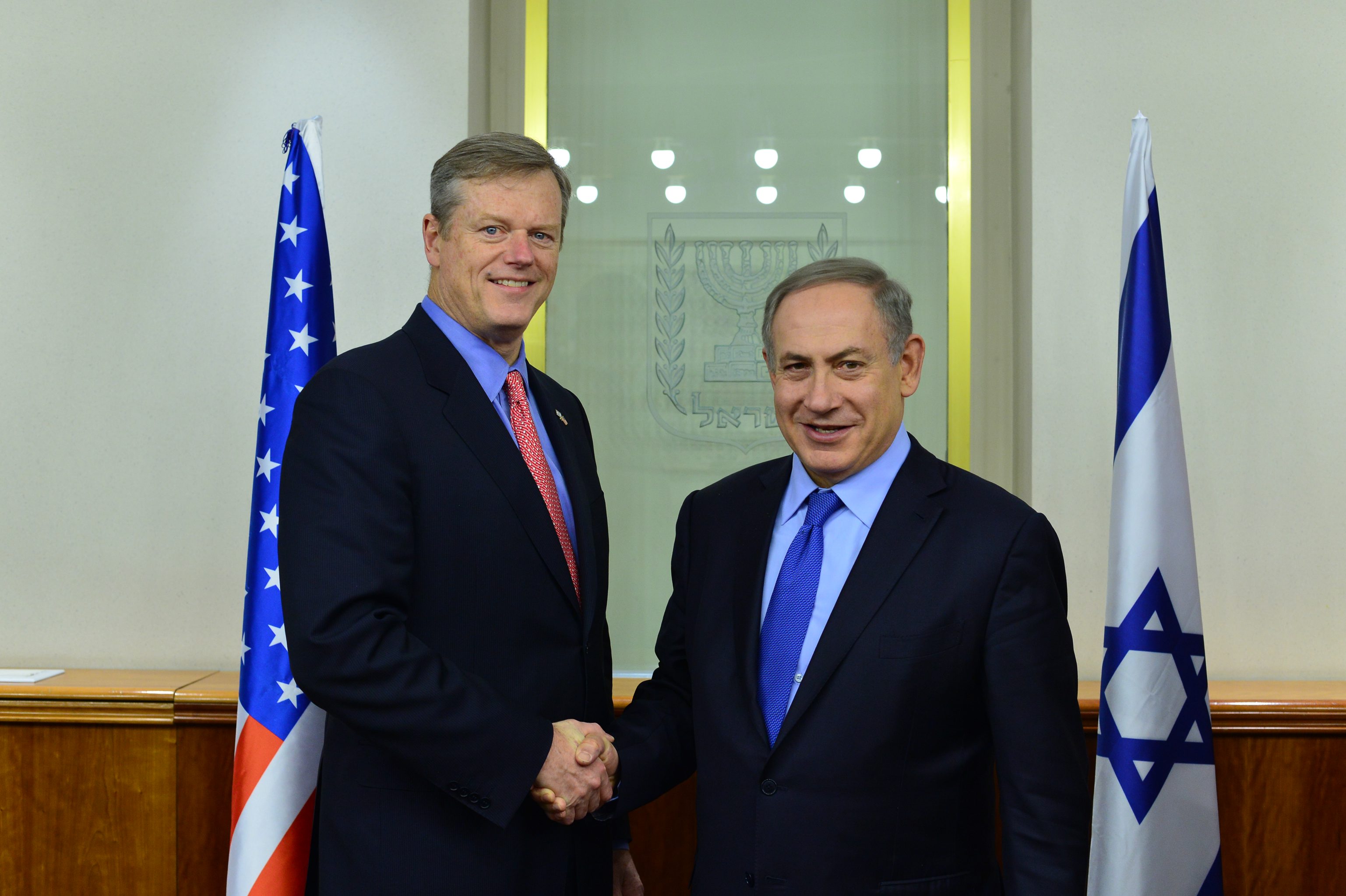
Indian Prime Minister Narendra Modi and Japanese Prime Minister Sanae Takaichi signed several agreements on defense and economic security in New Delhi on Thursday [1].
These agreements signal a deepening strategic alignment between the two nations to counter regional challenges in the Indo-Pacific. By integrating their technological and military capabilities, India and Japan aim to establish a more resilient security architecture in Asia.
The pacts cover a wide range of critical sectors, including artificial intelligence, metals, and energy [1]. The leaders also agreed on the co-development of defense technologies and the establishment of an economic partnership framework [2]. This cooperation is designed to address shared maritime security concerns and stabilize supply chains.
Financial commitments form a central part of the new arrangement. Japan has pledged an investment push of Rs 1 trillion [3] in India, which is valued at more than $10 billion [3]. These funds are intended to catalyze industrial growth and infrastructure development across the region.
The summit follows a period of intensifying bilateral activity. According to reports, more than 100 new business agreements have been signed between the two countries over the past year [3].
Prime Minister Takaichi began her visit in New Delhi, where she met with Prime Minister Modi to finalize the initiatives [4]. The discussions focused on transforming the economic relationship into a more comprehensive security partnership that spans both technological innovation and traditional military cooperation [4].
“Japan has pledged an investment push of Rs 1 trillion in India.”
The scale of the Rs 1 trillion investment and the focus on defense co-development indicate that the India-Japan relationship is shifting from a primarily commercial partnership to a strategic security alliance. This alignment suggests a coordinated effort to balance power in the Indo-Pacific through economic interdependence and shared military technology.