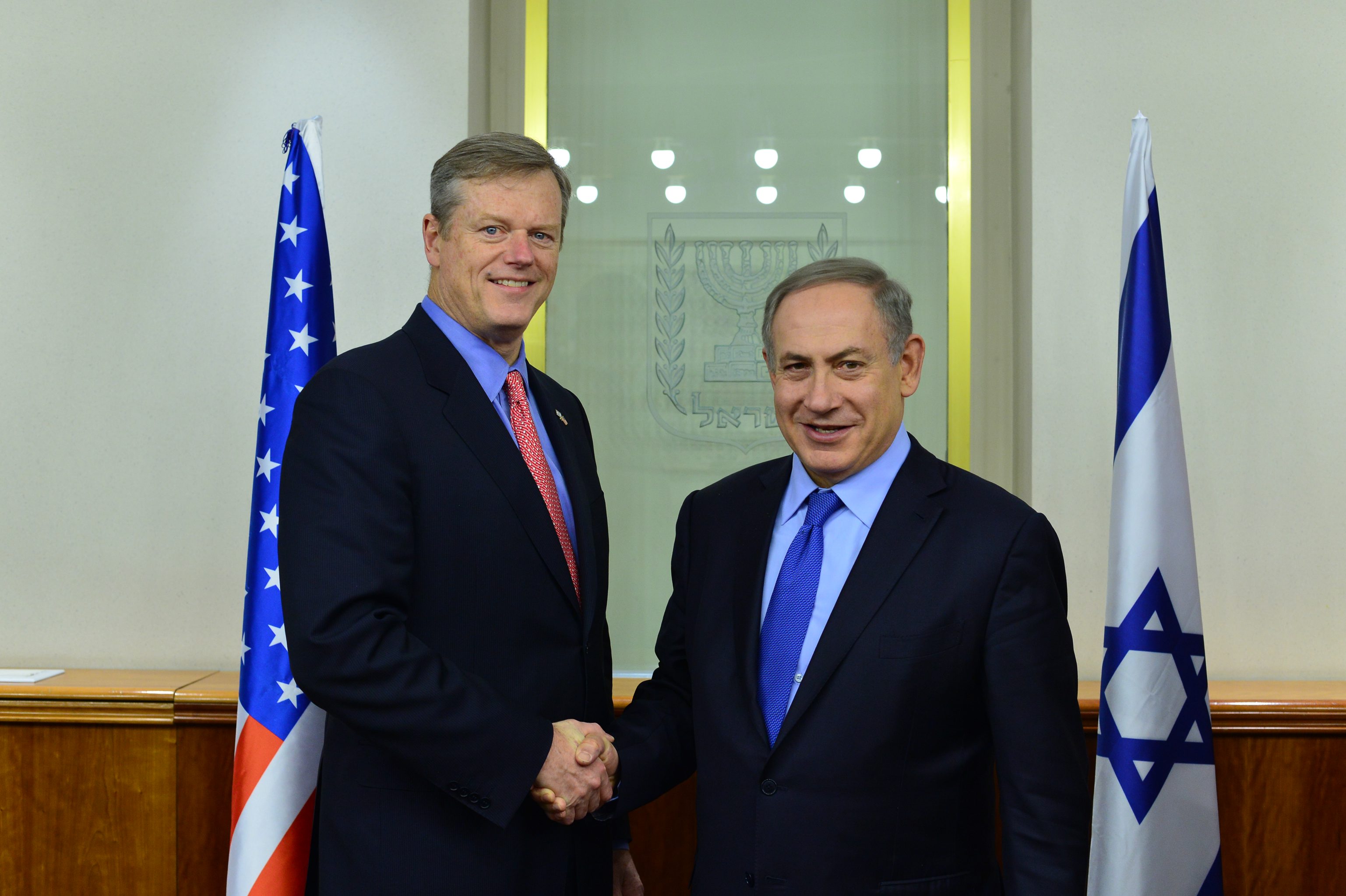
Prime Minister Narendra Modi and Japanese Prime Minister Sanae Takaichi met in New Delhi this week to strengthen bilateral trade and technology ties.
The summit represents a strategic push to create more resilient supply chains and deepen cooperation in critical sectors. This partnership aims to align the economic interests of both nations through shared investment in emerging technologies.
During the visit in July 2026, the two leaders toured an exhibition at the India-Japan Joint Economic Forum [1]. The tour highlighted the industrial and technological synergy between the two countries as they sought to expand their economic footprint in the region [2].
The leaders signed several agreements focusing on artificial intelligence, defence, and energy [1]. These accords are designed to facilitate a more integrated approach to security, and sustainable power generation — key priorities for both administrations.
Central to the discussions was the signing of a multi-billion-dollar bilateral roadmap [1]. While the exact figure was not specified, the roadmap is intended to boost trade, investment, and technology cooperation between India and Japan [1].
The engagement focused heavily on the creation of resilient supply chains to reduce dependence on single-source providers [1]. By diversifying their industrial bases, both nations intend to shield their economies from global volatility.
This meeting follows a period of increasing diplomatic alignment between New Delhi and Tokyo. The focus on AI and defence suggests a shift toward a more comprehensive security and technology partnership that extends beyond traditional trade [1, 2].
“The leaders signed several agreements focusing on artificial intelligence, defence, and energy.”
The agreement signals a strategic pivot toward 'friend-shoring,' where India and Japan prioritize economic ties with trusted partners to ensure supply chain security. By integrating AI and defence cooperation into a multi-billion-dollar framework, both nations are positioning themselves as a combined counterweight to regional economic instability and technological monopolies.