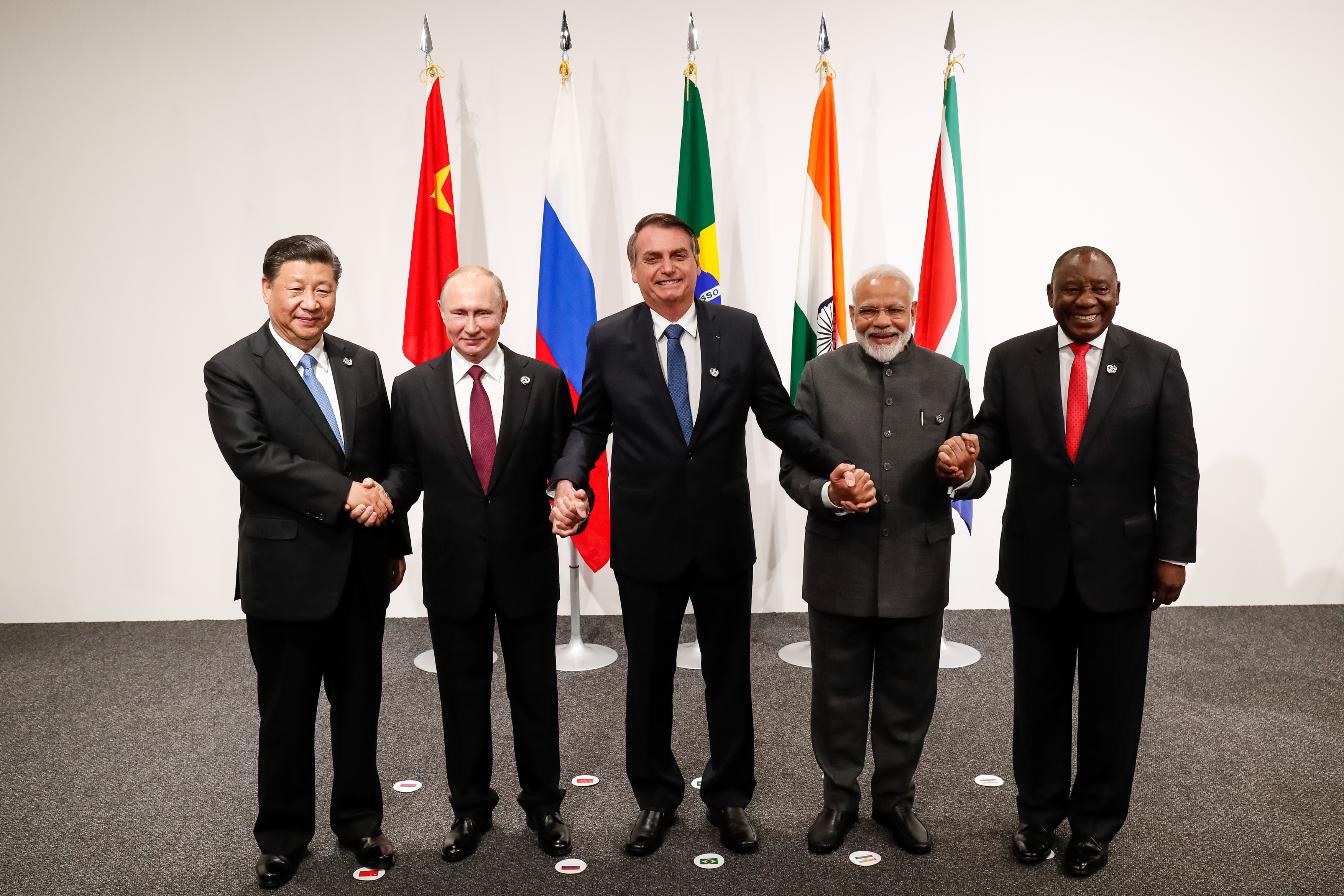
Prime Minister Narendra Modi and Prime Minister Sanae Takaichi unveiled a joint roadmap for bilateral economic security during a summit in New Delhi on July 2, 2026.
The agreement strengthens the strategic alliance between the two nations to secure critical resources and stabilize supply chains amid increasing global instability.
The roadmap focuses on six strategic sectors: critical minerals, resilient supply chains, advanced technologies, clean energy, artificial intelligence, and industrial collaboration [1]. This framework aims to reduce vulnerabilities in the procurement of essential materials and the deployment of emerging technologies.
During the summit, the two leaders signed five memorandums of understanding covering AI, energy security, and defense [2]. This includes the first-ever defense co-development pact between India and Japan [3].
Modi said the personal and professional bond between the leaders is strong, stating, "She is my younger sister" [3]. He also highlighted the necessity of cooperation in the current geopolitical climate.
"In today's turbulent global environment, mutual trust is our most valuable strategic asset," Modi said [4].
Financial commitments are a central pillar of the new roadmap. The two nations established a goal to attract 10 trillion yen in investment from Japan over the next 10 years [5].
Modi said that the integration of technical expertise is vital for the success of the partnership. "Technology is the strongest pillar of India‑Japan ties," Modi said [6].
The collaboration on artificial intelligence and clean energy is intended to accelerate industrial modernization in India while providing Japan with a resilient partner for technological expansion in South Asia.
“"In today's turbulent global environment, mutual trust is our most valuable strategic asset."”
The shift toward a formal 'economic security' roadmap indicates that India and Japan are moving beyond simple trade toward a deeply integrated strategic partnership. By focusing on critical minerals and defense co-development, both nations are actively diversifying their supply chains away from single-source dependencies and strengthening their collective security posture in the Indo-Pacific region.
![Assignment: OS_DS_2006_1202_36] Office of the Deputy Secretary (David Sampson) - Deputy Secretary with Indian Minister of Petroleum and Natural Gas [40_CFD_OS_DS_2006_1202_36_DSC_2878.jpg](https://upload.wikimedia.org/wikipedia/commons/7/7a/Assignment-_OS_DS_2006_1202_36%29_Office_of_the_Deputy_Secretary_%28David_Sampson%29_-_Deputy_Secretary_with_Indian_Minister_of_Petroleum_and_Natural_Gas_%2840_CFD_OS_DS_2006_1202_36_DSC_28_-_DPLA_-_39b762d4b236b02f988f345451fbe4c3.jpg)

'%2F%3E%0A%20%20%20%20%3Crect%20width%3D'1600'%20height%3D'900'%20fill%3D'url(%23v)'%2F%3E%0A%20%20%20%20%3Cg%20opacity%3D'0.08'%20fill%3D'%23ffffff'%3E%0A%20%20%20%20%20%20%3Ccircle%20cx%3D'1420'%20cy%3D'180'%20r%3D'220'%2F%3E%0A%20%20%20%20%20%20%3Ccircle%20cx%3D'1500'%20cy%3D'760'%20r%3D'120'%2F%3E%0A%20%20%20%20%3C%2Fg%3E%0A%20%20%20%20%3Cline%20x1%3D'80'%20y1%3D'172'%20x2%3D'220'%20y2%3D'172'%20stroke%3D'%23ffffff'%20stroke-width%3D'3'%20stroke-opacity%3D'0.6'%2F%3E%0A%20%20%20%20%3Ctext%20x%3D'80'%20y%3D'140'%20font-family%3D'Inter%2C%20-apple-system%2C%20Helvetica%2C%20sans-serif'%20font-weight%3D'700'%20font-size%3D'28'%20fill%3D'%23ffffff'%20letter-spacing%3D'6'%3EHANNA%20%C2%B7%20NEWS%3C%2Ftext%3E%0A%20%20%20%20%3Ctext%20x%3D'80'%20y%3D'230'%20font-family%3D'Inter%2C%20-apple-system%2C%20Helvetica%2C%20sans-serif'%20font-weight%3D'600'%20font-size%3D'40'%20fill%3D'%23ffffffb3'%20letter-spacing%3D'4'%3EBUSINESS%3C%2Ftext%3E%0A%20%20%20%20%3Ctext%20x%3D'80'%20y%3D'622'%20font-family%3D'Playfair%20Display%2C%20Georgia%2C%20serif'%20font-weight%3D'800'%20font-size%3D'86'%20fill%3D'%23ffffff'%20letter-spacing%3D'-1'%3EUS%20Beef%20Prices%20Hit%20Record%3C%2Ftext%3E%3Ctext%20x%3D'80'%20y%3D'721'%20font-family%3D'Playfair%20Display%2C%20Georgia%2C%20serif'%20font-weight%3D'800'%20font-size%3D'86'%20fill%3D'%23ffffff'%20letter-spacing%3D'-1'%3EHighs%20Amid%20Cattle%20Herd%3C%2Ftext%3E%3Ctext%20x%3D'80'%20y%3D'820'%20font-family%3D'Playfair%20Display%2C%20Georgia%2C%20serif'%20font-weight%3D'800'%20font-size%3D'86'%20fill%3D'%23ffffff'%20letter-spacing%3D'-1'%3EDecline%3C%2Ftext%3E%0A%20%20%20%20%3Ctext%20x%3D'80'%20y%3D'870'%20font-family%3D'Inter%2C%20-apple-system%2C%20Helvetica%2C%20sans-serif'%20font-weight%3D'500'%20font-size%3D'22'%20fill%3D'%23ffffff66'%20letter-spacing%3D'2'%3Enews.hanna-ai.com%3C%2Ftext%3E%0A%20%20%3C%2Fsvg%3E)