India and Japan signed several memorandums of understanding on July 2, 2024, to cooperate on artificial intelligence, energy, and critical minerals [1, 2].
The agreements aim to establish a resilient, interconnected energy grid across the Indo-Pacific region to enhance economic security and strategic stability [1, 3].
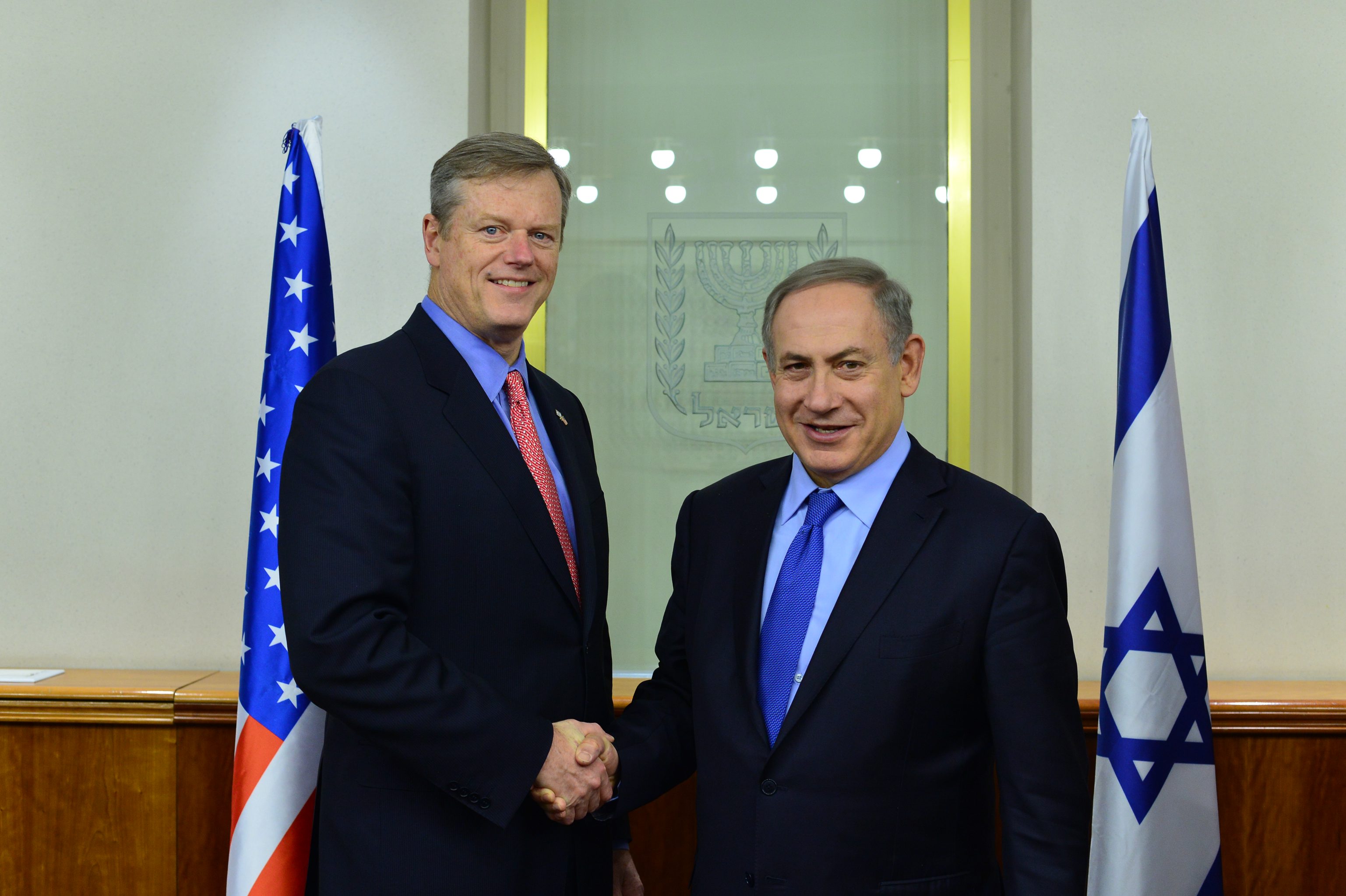
Prime Minister Narendra Modi and Prime Minister Sanae Takaichi met in New Delhi for the 16th India-Japan Annual Summit. During the talks, the two nations signed four MoUs [2] and unveiled a 16-point roadmap [3] designed to elevate bilateral ties in technology and defense.
"We share a similar mindset and approach toward global governance, based on democracy, the rule of law and a free and open Indo-Pacific," Modi said.
The cooperation focuses heavily on the transition to clean energy and the secure procurement of critical minerals. A spokesperson for the Ministry of External Affairs said the agreements will lay the groundwork for a resilient energy grid across the Indo-Pacific [2].
Prime Minister Takaichi emphasized the long-term impact of the partnership. "Our cooperation in AI, energy and critical minerals will underpin the future of the Indo-Pacific region," Takaichi said.
The roadmap includes specific goals for AI integration and energy resilience. This strategic alignment is intended to promote a free-and-open Indo-Pacific while reducing reliance on volatile supply chains for essential metals [1, 4].
The summit occurred as both nations sought to deepen a partnership that balances regional power dynamics. The agreements on critical minerals and energy are seen as vital steps toward achieving economic security in an increasingly fragmented global market [1, 4].
“"Our cooperation in AI, energy and critical minerals will underpin the future of the Indo-Pacific region."”
The creation of a wired Indo-Pacific energy grid and the focus on critical minerals represent a strategic move by India and Japan to decouple their essential infrastructure from adversarial supply chains. By synchronizing their AI and energy policies, these two democracies are strengthening a regional bloc that can counterbalance economic influence in Asia and ensure energy sovereignty through diversified mineral sourcing.