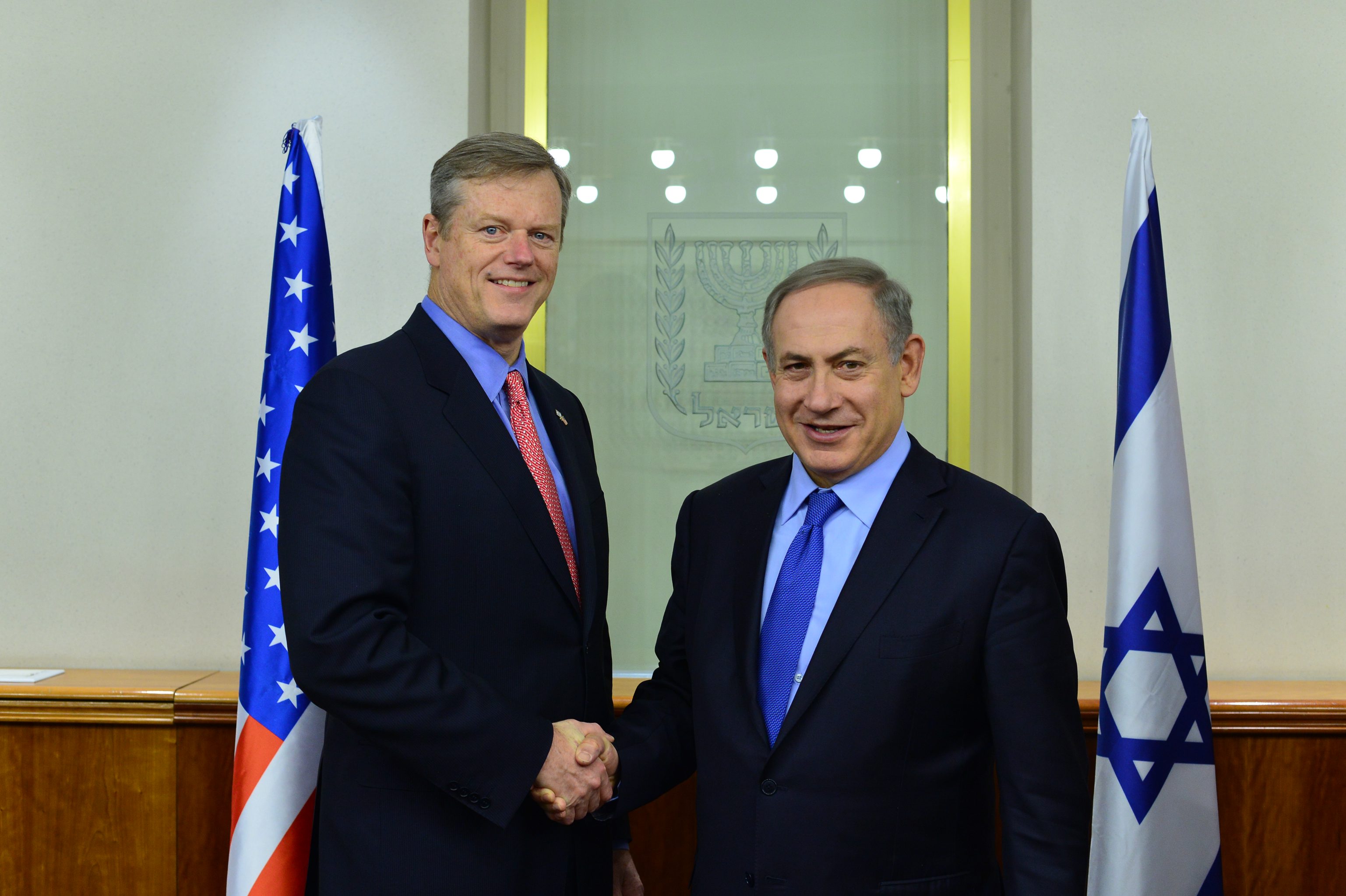
Prime Minister Narendra Modi and Japanese Prime Minister Sanae Takaichi signed five memorandums of understanding during a summit in New Delhi on July 2, 2026 [1].
The agreements signal a significant escalation in bilateral cooperation to counter global uncertainty and enhance maritime security in the Indo-Pacific region.
The signed pacts cover five critical sectors: defence, artificial intelligence, metals, energy, and economic security [1]. This expansion of the Special Strategic and Global Partnership aims to build on mutual trust to stabilize supply chains and modernize military cooperation.
"Mutual trust is the foundation of the India‑Japan partnership," Modi said [2].
The summit comes as both nations seek to strengthen their economic resilience against volatile global markets. By focusing on metals and energy, the two countries aim to reduce dependence on single-source suppliers and diversify their critical mineral acquisitions.
"We are entering a new chapter in the Special Strategic and Global Partnership between our two countries," Modi said [3].
The cooperation on artificial intelligence is intended to foster joint research and development, while the defence agreements focus on deepening interoperability between the two militaries. The leaders said the current diplomatic climate is a new era for their relations [1].
The agreements were finalized during the India-Japan Annual Summit [4]. While some earlier reports suggested a potential visit in the following month, the summit concluded on July 2, 2026 [1, 5].
“"Mutual trust is the foundation of the India‑Japan partnership."”
The alignment between India and Japan reflects a strategic move to create a counterbalance to regional instability and economic coercion. By formalizing ties in AI and critical metals, the two nations are attempting to secure the technological and material foundations of their future industries while strengthening a security architecture that does not rely solely on Western allies.