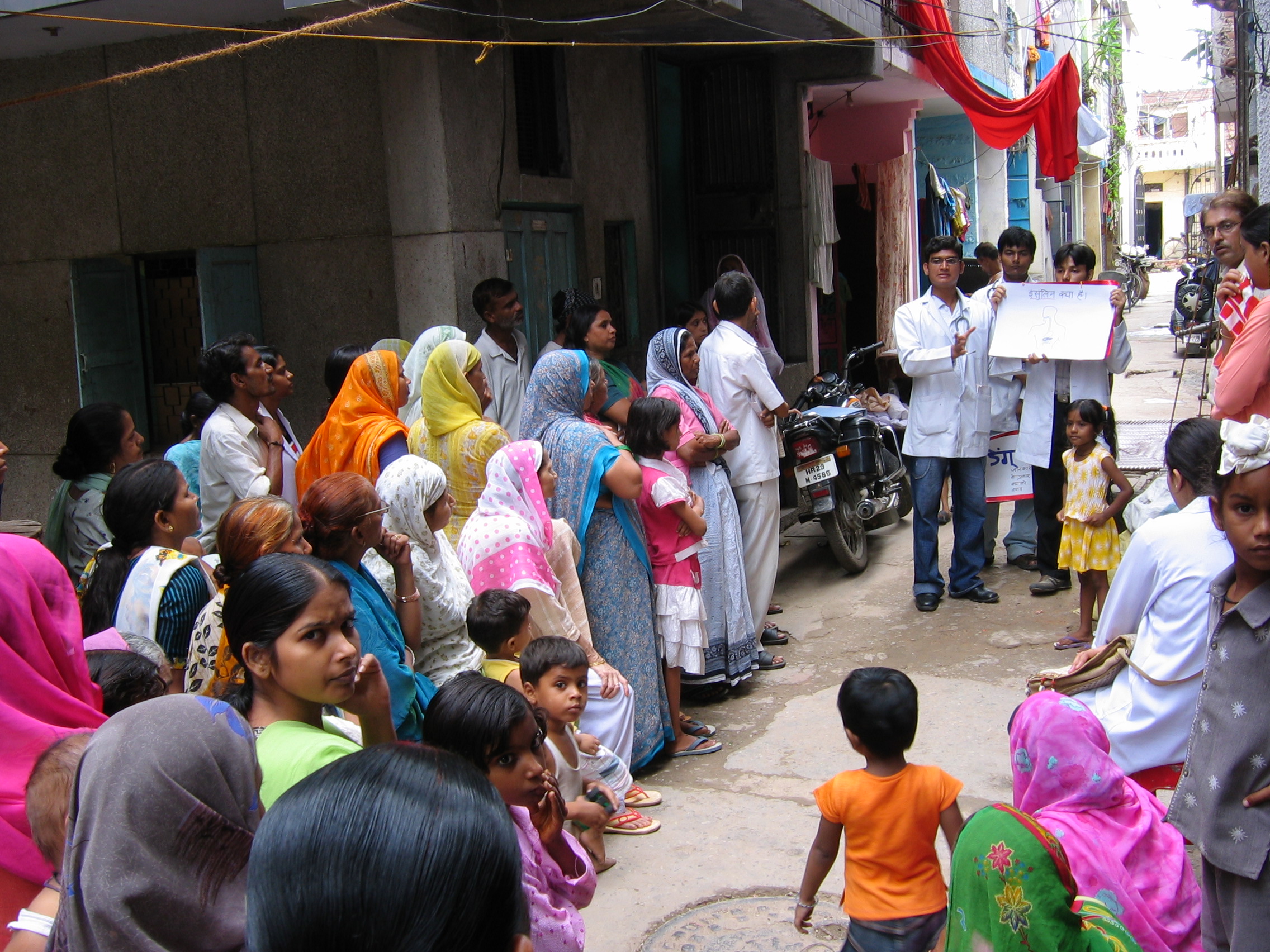
Medical students in India encounter a broader variety of diseases during their weekly clinical rotations than students in most other countries [1].
This level of clinical exposure is significant because it accelerates the diagnostic experience of future physicians. By interacting with a diverse patient population, students develop a practical understanding of rare, and common conditions early in their training.
An anonymous medical student featured in a WION Health Pulse segment said that the variety and diversity of diseases encountered in a single week is a defining characteristic of the Indian medical experience [1]. This exposure is attributed to the country's high disease burden, and the vast diversity of its population [1, 2].
Clinical rotations in India allow students to observe a spectrum of health conditions that might take years to encounter in more developed healthcare systems. The high volume of patients ensures that students are not merely reading about pathology in textbooks; they are witnessing it in real-time.
"A medical student in India encounters a greater variety and diversity of diseases in a single week than a medical student in most other countries," the student said [1].
This educational environment creates a unique training ground where the sheer scale of public health challenges becomes a pedagogical tool. The result is a medical education system that emphasizes hands-on experience, and rapid pattern recognition in diagnosis [1, 2].
“"A medical student in India encounters a greater variety and diversity of diseases in a single week than a medical student in most other countries."”
The high disease burden in India transforms the clinical environment into a high-density learning lab. While this provides students with an advantage in diagnostic versatility, it also reflects the systemic public health challenges and the immense pressure placed on the Indian healthcare infrastructure to manage a diverse array of pathologies.