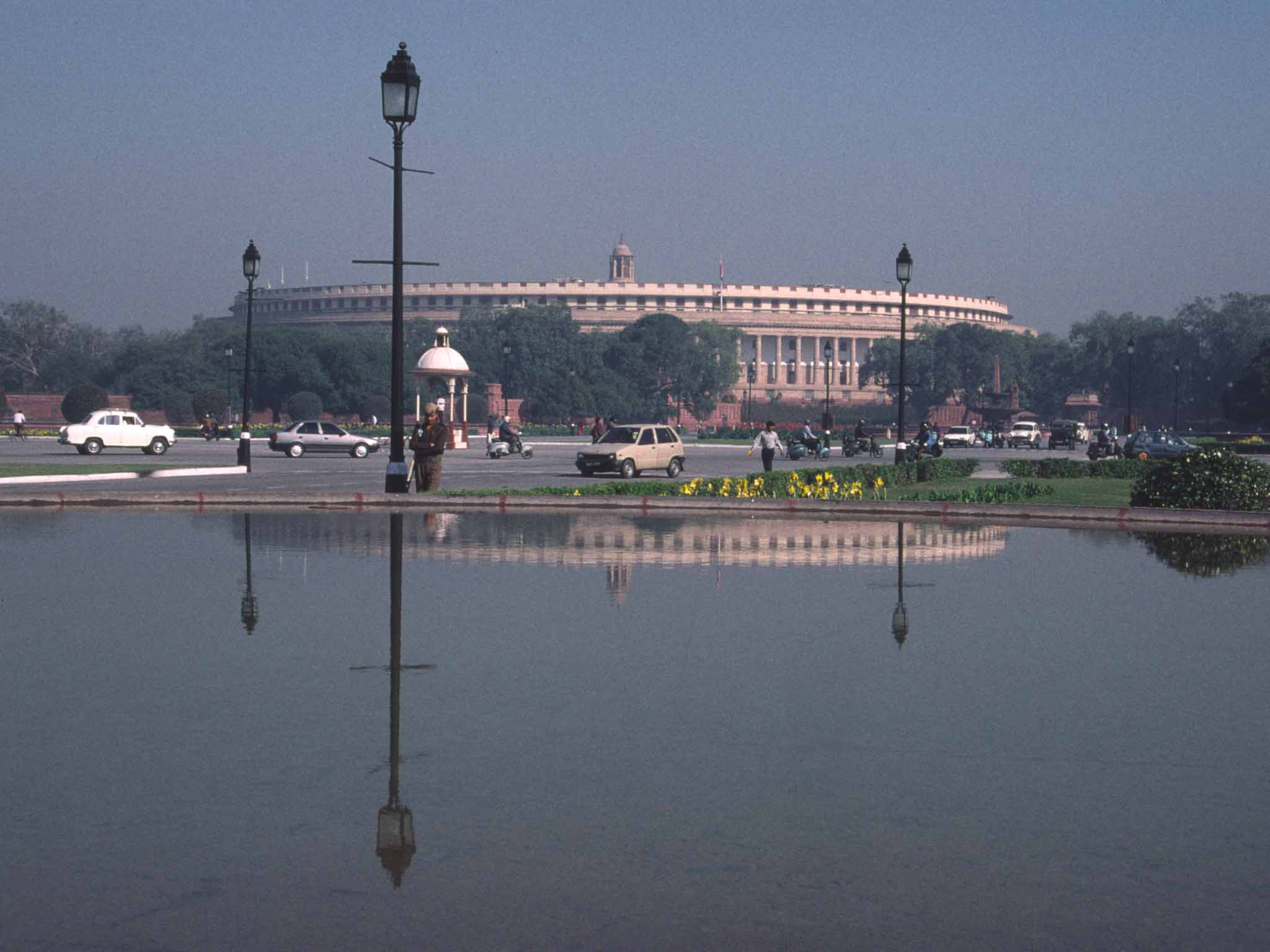
The first day of India's Monsoon Session of Parliament ended in chaos on July 5, 2026, following repeated disruptions by opposition members [1].
The turmoil highlights deepening friction between the governing party and the opposition over academic integrity and the transparency of religious fund management. These disputes have paralyzed legislative business on the opening day of the session.
Protests erupted in both the Lok Sabha and the Rajya Sabha chambers in New Delhi [2]. Opposition MPs sought an immediate discussion regarding the NEET exam paper-leak controversy [1]. The disruptions forced both houses to be adjourned several times as members protested the government's handling of the examination scandal [2].
Beyond the education crisis, opposition members raised allegations regarding the misuse of funds collected for the Ram Mandir project [2]. While some reports focused on the paper-leak and donation funds, other accounts indicated that the opposition also intended to seek discussions on rising inflation [3].
Prime Minister Narendra Modi was present as the session descended into disorder [1]. The opposition's strategy of disruption aims to force the government to address these specific grievances on the floor of the house before other legislative priorities are pursued.
Legislative activity remained stalled throughout the day as the two sides failed to reach an agreement on the order of business [2]. The repeated adjournments underscore the volatility of the current parliamentary atmosphere as the Monsoon Session begins.
“The first day of India's Monsoon Session of Parliament ended in chaos”
The immediate collapse of the session's opening day suggests a high level of political polarization. By linking a public grievance like the NEET leaks with sensitive allegations regarding the Ram Mandir funds, the opposition is attempting to challenge the government on both administrative competence and moral authority. This pattern of disruption often signals that the opposition intends to use procedural delays as leverage to secure formal debates on high-stakes issues.


