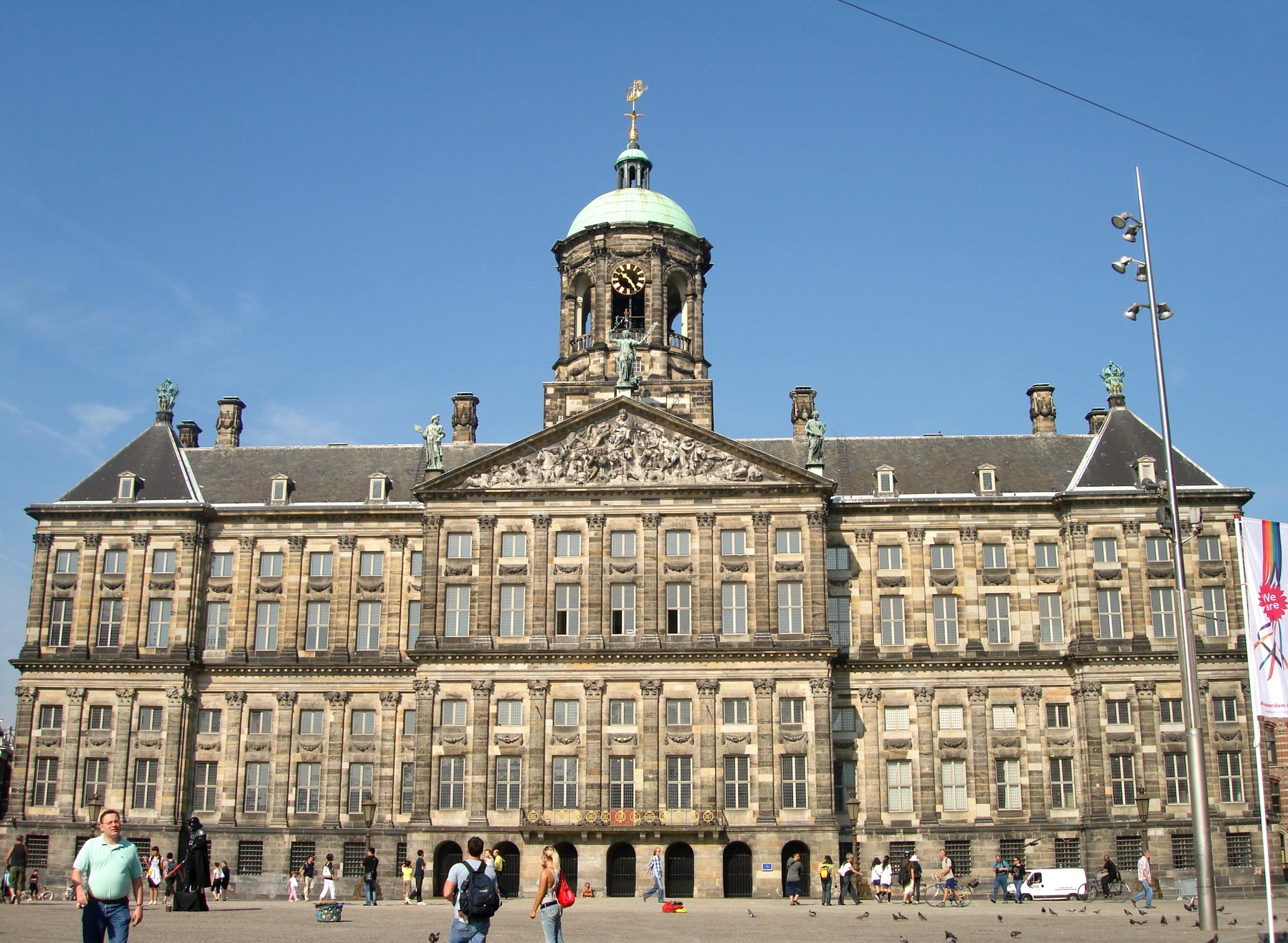
India and the Netherlands have elevated their bilateral relationship to a strategic partnership following a two-day visit by Prime Minister Narendra Modi [1].
This upgrade signals a deepening of diplomatic and economic ties as India seeks to secure critical technology and energy resources. The visit is part of a broader four-nation European tour [1] intended to ramp up India's strategic partnerships across the continent.
During the visit to The Hague, Prime Minister Modi met with Dutch Prime Minister Rob Jetten, as well as King Willem-Alexander and Queen Maxima [1, 2]. The two leaders adopted an ambitious roadmap to guide future cooperation between the two nations [2].
The diplomatic push resulted in the signing of 17 agreements [3]. These deals focus on high-priority sectors including semiconductors, defense, and clean energy [3, 4]. The emphasis on semiconductors is particularly critical as India aims to build a domestic ecosystem for chip manufacturing and design.
In addition to technology, the agreements cover green energy initiatives, and defense cooperation [4]. These sectors are central to India's current economic strategy and its goal of diversifying supply chains for essential components.
The visit began on Friday [1], marking a significant milestone in the diplomatic history of the two countries. The strategic partnership framework is expected to facilitate more frequent high-level exchanges and coordinated policy efforts on global issues.
“India and the Netherlands have elevated their bilateral relationship to a strategic partnership”
The shift to a strategic partnership allows India to gain critical access to Dutch expertise in semiconductor lithography and green technology. By formalizing this relationship during a wider European tour, India is signaling a pivot toward diversifying its technological dependencies and strengthening its security architecture through deeper ties with European Union members.


