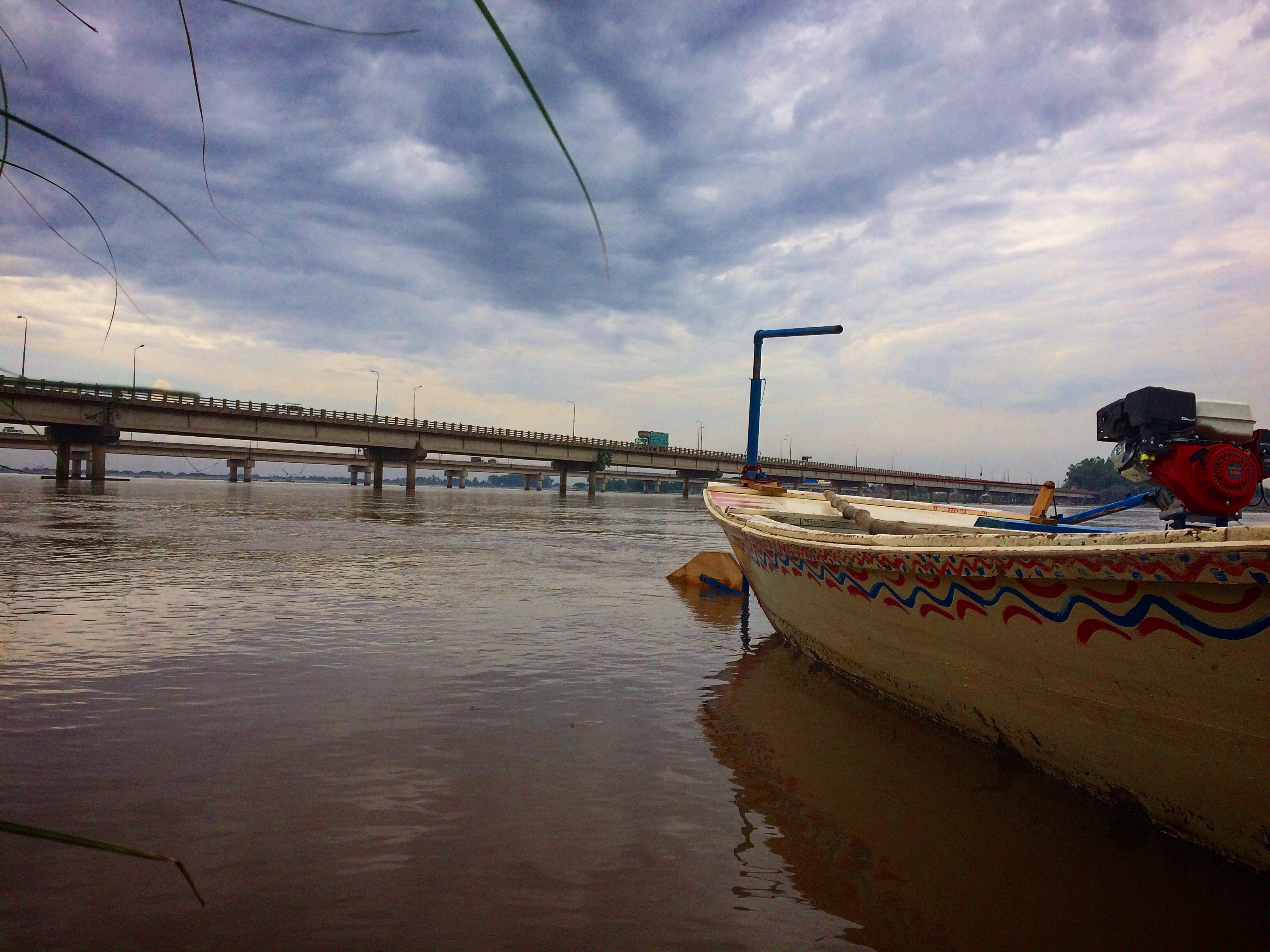
Pakistan issued a flood alert after India released a large volume of water into the Chenab River on July 22, 2026 [1].
The sudden increase in water levels poses a significant risk to riverside communities and agricultural land along the India-Pakistan border. This development highlights the precarious nature of water management between the two nations during the monsoon season.
Authorities in India released the water following heavy rains that occurred in occupied Kashmir [1]. The surge in precipitation raised water levels in regional reservoirs, prompting the decision to release water to manage dam storage and prevent potential overflows [1].
Pakistani officials responded by activating flood alert systems to warn vulnerable populations. The movement of water across the border often creates immediate pressure on Pakistan's irrigation and drainage infrastructure, especially when releases occur without extensive prior coordination.
Regional monitoring teams are currently tracking the water flow to determine the potential for flooding in low-lying areas. The timing of the release coincides with the peak of the rainy season, which typically increases the volatility of river levels in the region [1].
While India said the releases are necessary for dam safety, the downstream impact in Pakistan remains a primary concern for disaster management agencies. The situation requires constant vigilance to ensure the safety of residents living near the river banks.
“Pakistan issued a flood alert after India released a large volume of water into the Chenab River”
The incident underscores the systemic vulnerability of Pakistan to upstream water management decisions made by India. Because the Chenab River is a transboundary watercourse, sudden releases during heavy rainfall can transform a necessary safety measure into a humanitarian risk for downstream populations, complicating the geopolitical tension over water rights.
'%2F%3E%0A%20%20%20%20%3Crect%20width%3D'1600'%20height%3D'900'%20fill%3D'url(%23v)'%2F%3E%0A%20%20%20%20%3Cg%20opacity%3D'0.08'%20fill%3D'%23ffffff'%3E%0A%20%20%20%20%20%20%3Ccircle%20cx%3D'1420'%20cy%3D'180'%20r%3D'220'%2F%3E%0A%20%20%20%20%20%20%3Ccircle%20cx%3D'1500'%20cy%3D'760'%20r%3D'120'%2F%3E%0A%20%20%20%20%3C%2Fg%3E%0A%20%20%20%20%3Cline%20x1%3D'80'%20y1%3D'172'%20x2%3D'220'%20y2%3D'172'%20stroke%3D'%23ffffff'%20stroke-width%3D'3'%20stroke-opacity%3D'0.6'%2F%3E%0A%20%20%20%20%3Ctext%20x%3D'80'%20y%3D'140'%20font-family%3D'Inter%2C%20-apple-system%2C%20Helvetica%2C%20sans-serif'%20font-weight%3D'700'%20font-size%3D'28'%20fill%3D'%23ffffff'%20letter-spacing%3D'6'%3EHANNA%20%C2%B7%20NEWS%3C%2Ftext%3E%0A%20%20%20%20%3Ctext%20x%3D'80'%20y%3D'230'%20font-family%3D'Inter%2C%20-apple-system%2C%20Helvetica%2C%20sans-serif'%20font-weight%3D'600'%20font-size%3D'40'%20fill%3D'%23ffffffb3'%20letter-spacing%3D'4'%3EWORLD%3C%2Ftext%3E%0A%20%20%20%20%3Ctext%20x%3D'80'%20y%3D'694'%20font-family%3D'Playfair%20Display%2C%20Georgia%2C%20serif'%20font-weight%3D'800'%20font-size%3D'110'%20fill%3D'%23ffffff'%20letter-spacing%3D'-1'%3EForest%20Fire%20Destroys%20110%3C%2Ftext%3E%3Ctext%20x%3D'80'%20y%3D'820'%20font-family%3D'Playfair%20Display%2C%20Georgia%2C%20serif'%20font-weight%3D'800'%20font-size%3D'110'%20fill%3D'%23ffffff'%20letter-spacing%3D'-1'%3EHectares%20in%20Ibagu%C3%A9%2C%20Colombia%3C%2Ftext%3E%0A%20%20%20%20%3Ctext%20x%3D'80'%20y%3D'870'%20font-family%3D'Inter%2C%20-apple-system%2C%20Helvetica%2C%20sans-serif'%20font-weight%3D'500'%20font-size%3D'22'%20fill%3D'%23ffffff66'%20letter-spacing%3D'2'%3Enews.hanna-ai.com%3C%2Ftext%3E%0A%20%20%3C%2Fsvg%3E)