India condemned Pakistan as a "Frankenstein state" during a United Nations Human Rights Council session in New York on June 19, 2026 [1].
The statement signals a sharp escalation in diplomatic rhetoric between the two neighbors, focusing on state-sponsored terrorism and the viability of long-standing water-sharing agreements.
Anupama Singh, India's First Secretary to the United Nations, delivered the address [1]. She said that Pakistan nurtures terrorism as state policy [3]. Singh used a literary metaphor to describe the current state of Pakistani security, saying that Pakistan is a living example of a Frankenstein state which is shocked when its own monster bites back [2].
Beyond the accusations of terrorism, the Indian representative addressed the Indus Waters Treaty, which governs the distribution of river waters between the two nations. Singh said the Indus Waters Treaty is outdated and not suited for present realities [4].
India's allegations center on the claim that Pakistan supports terrorist groups as a matter of official policy [5]. This approach, according to the Indian delegation, has created a volatile environment where the state is now facing the consequences of the instability it fostered [2].
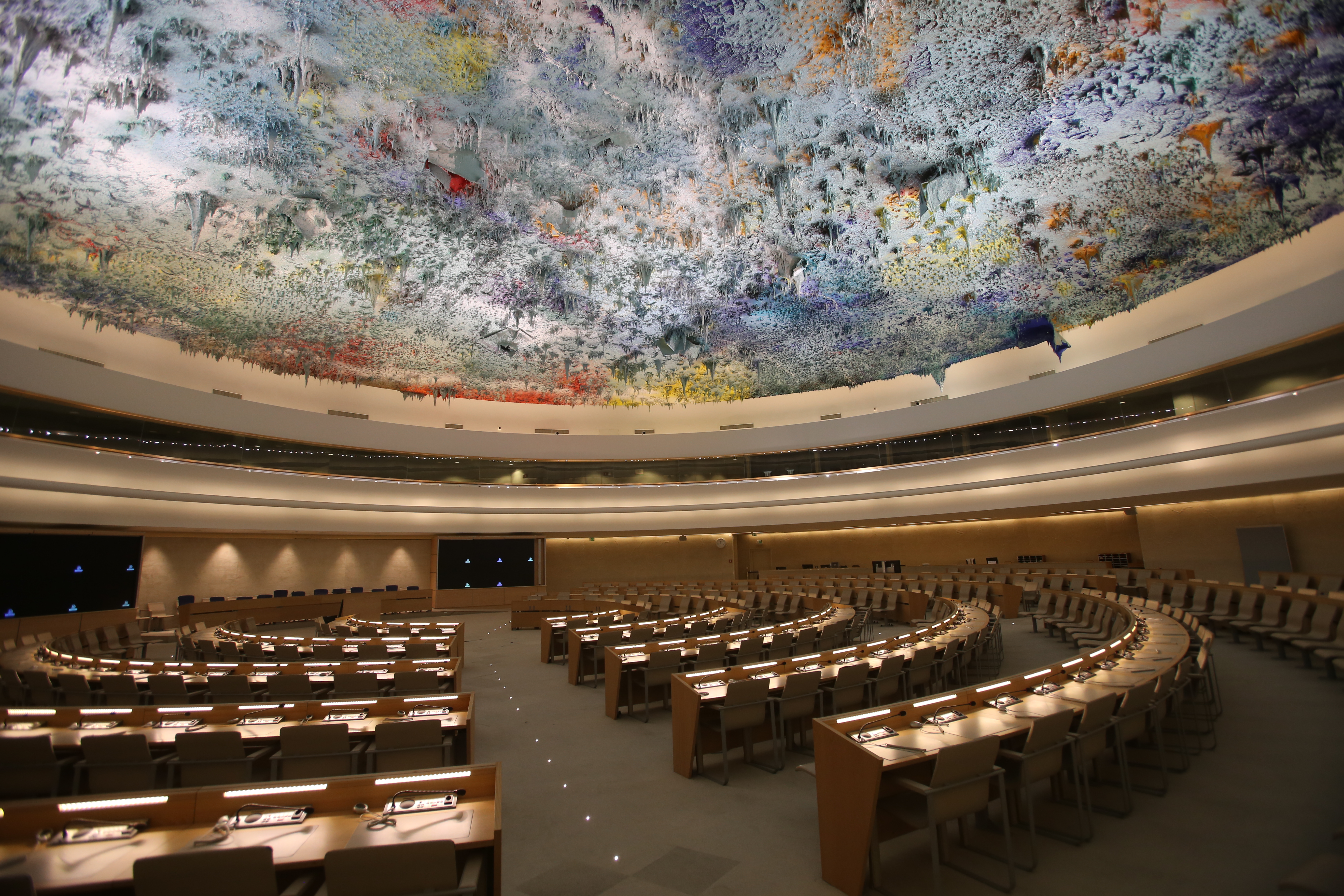
The session took place within the framework of the UNHRC, where member states discuss global human rights issues and violations [1]. The confrontational tone of the speech reflects ongoing tensions regarding regional security, and the management of shared natural resources [5].
“"Pakistan is a living example of a Frankenstein state which is shocked when its own monster bites back."”
By challenging the Indus Waters Treaty alongside accusations of state-sponsored terror, India is signaling that it may seek to renegotiate or move away from decades-old bilateral agreements. The 'Frankenstein' analogy suggests India views Pakistan's internal security struggles not as isolated incidents, but as the inevitable result of a policy that empowered militant groups.


