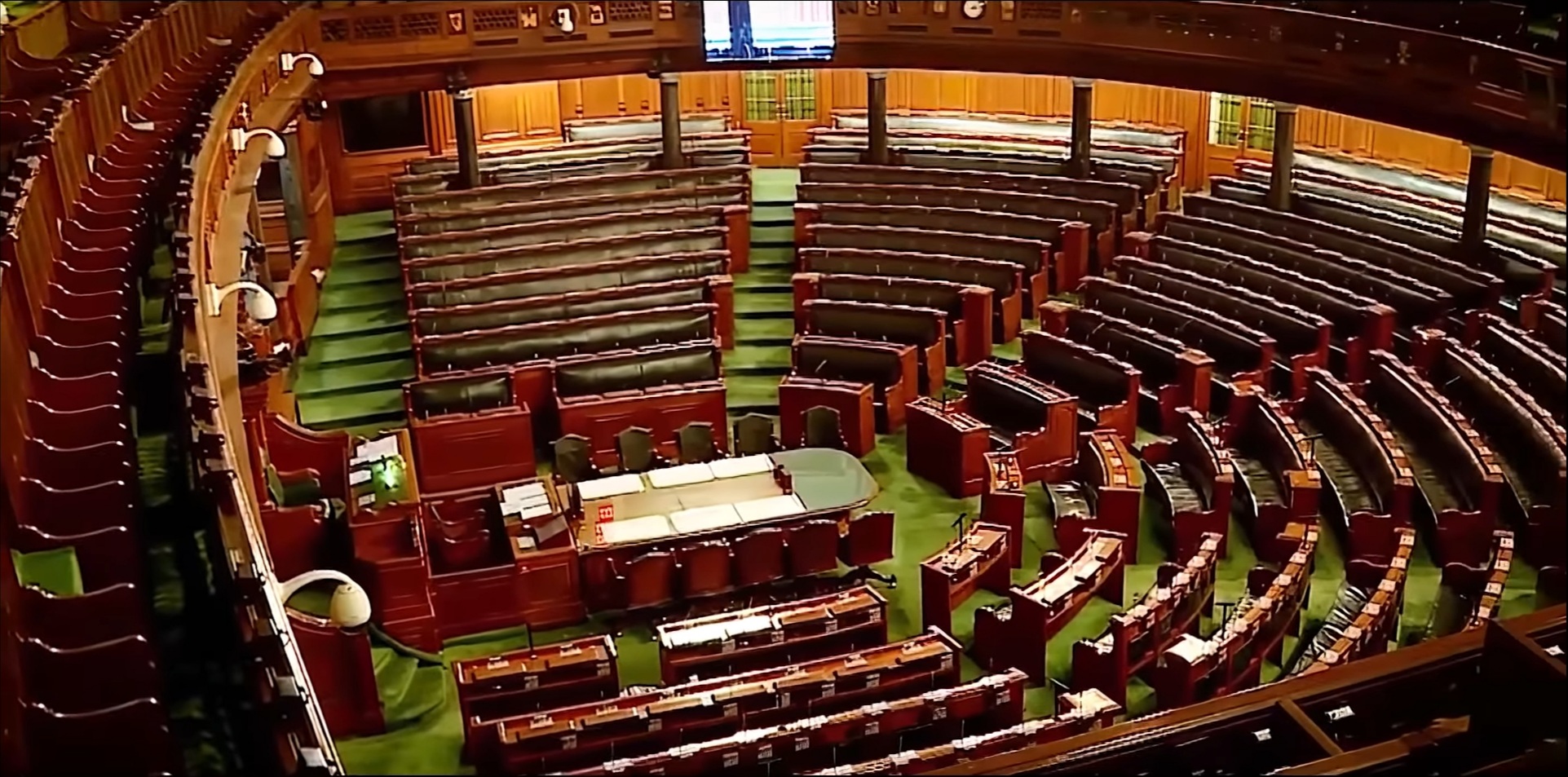
Both houses of the Indian Parliament were adjourned Friday following continued protests by opposition members during the Monsoon Session [1, 2].
The logjam disrupts the legislative agenda during a period of high tension over national security and public examination integrity. The deadlock highlights the deepening divide between the governing coalition and opposition parties over government accountability.
The disruptions occurred on day 18 [3] of the Monsoon Session. Opposition members, including members of the Bharatiya Janata Party, staged protests in the Lok Sabha and Rajya Sabha in New Delhi [1, 2]. The protesters raised several grievances, including the NEET paper leak, and alleged police excesses against students who protested the leak [4].
Opposition members also raised concerns regarding the alleged theft of donations at the Ram temple in Ayodhya [4]. Central to the ruckus was the demand for a formal statement from Union Home Minister Amit Shah [1].
Congress General Secretary Jairam Ramesh said the situation was a "no-show" [2]. However, the government countered these claims. Kiren Rijiju said that Shah was ready to address the Lok Sabha [2].
Despite the government's assertion that the Home Minister was prepared to speak, the protests persisted. The presiding officers eventually adjourned both houses for the day [1]. This continues a trend of legislative instability during the current session as various parties clash over administrative failures and social unrest.
“Both houses of Parliament were adjourned Friday as opposition members demanded a statement from Home Minister Amit Shah.”
The repeated adjournment of both houses indicates a breakdown in communication between the executive and legislative branches. By focusing on high-emotion issues like the NEET leak and the Ayodhya temple, the opposition is attempting to force the Home Ministry into a public accounting of internal security and administrative oversight, while the government seeks to maintain control over the legislative timetable.