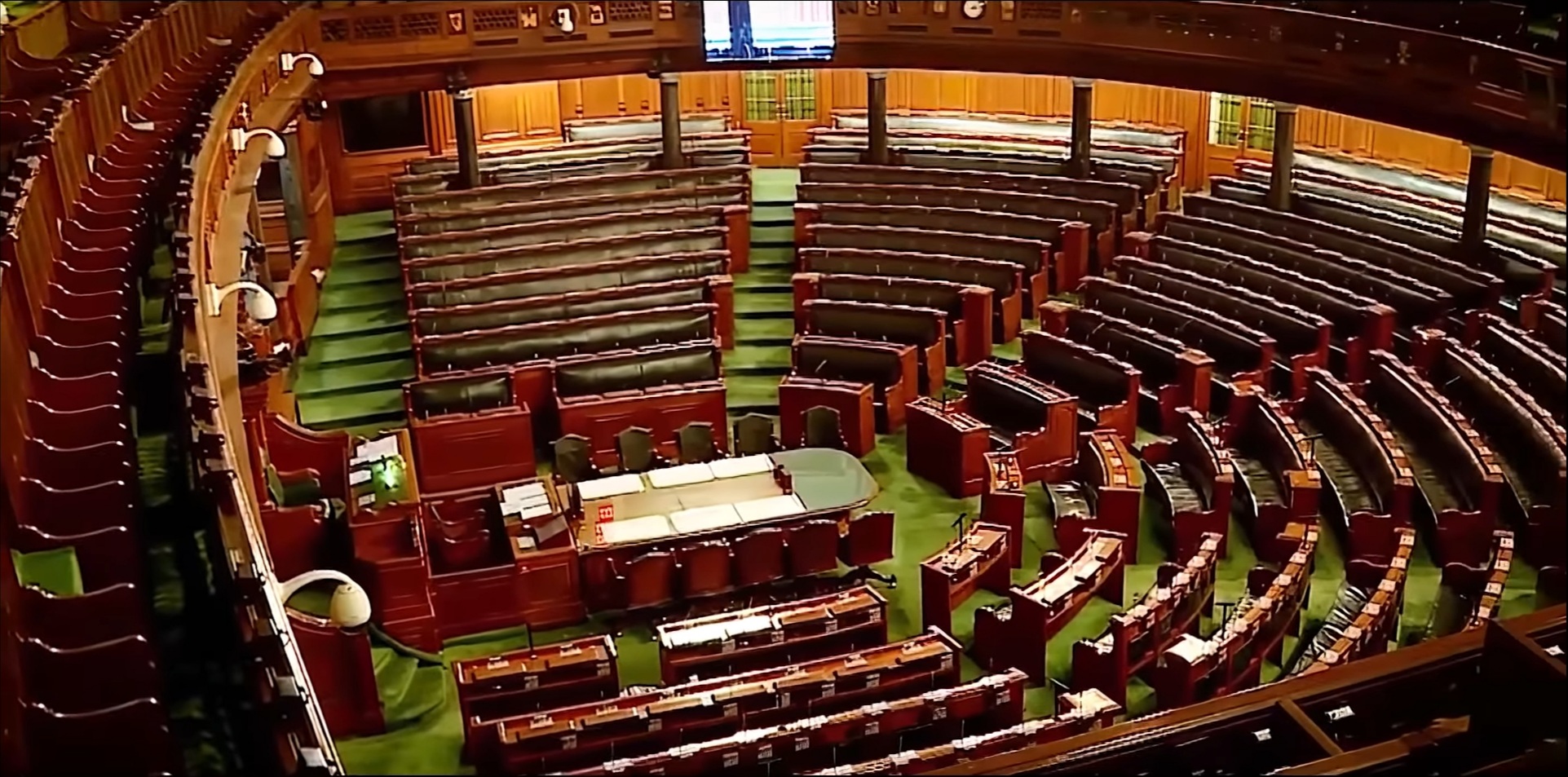
Opposition parties staged widespread protests during the 2026 Monsoon Session of India's Parliament, demanding discussions on several high-profile national issues.
These disruptions signal a deepening divide between the governing BJP and opposition blocs over government transparency and legislative priorities. The friction has repeatedly stalled the legislative agenda in both the Lok Sabha and Rajya Sabha.
The session began July 20, 2026 [1]. Members of the Congress party, the Samajwadi Party, and other opposition groups sought immediate debate on the NEET paper leaks and the Ram Mandir donation theft case [2, 3]. Protesters also raised concerns regarding alleged police crackdowns against citizens [2].
Union Home Minister Amit Shah (BJP) and other government leaders faced continued interruptions as the opposition pushed for these discussions [1, 3]. Amidst the volatility, the government introduced the Prevention of Insults to National Honour (Amendment) Bill [1, 3].
Legislative progress remained inconsistent due to the unrest. Both houses of Parliament were adjourned Tuesday, with proceedings scheduled to reconvene at 11 a.m. Wednesday [2].
The protests reflect a coordinated effort by opposition parties to force the government to address public grievances on the floor of the house. By focusing on the NEET leaks and the Ram Mandir case, the opposition is targeting issues with significant public visibility to pressure the administration [2, 3].
“Opposition parties staged widespread protests during the 2026 Monsoon Session of India's Parliament.”
The frequent adjournments and protests indicate that the 2026 Monsoon Session is functioning more as a political battleground than a legislative workshop. The government's decision to introduce the Prevention of Insults to National Honour (Amendment) Bill amidst this chaos suggests an attempt to push through priority legislation despite the opposition's efforts to pivot the agenda toward government accountability and corruption allegations.

