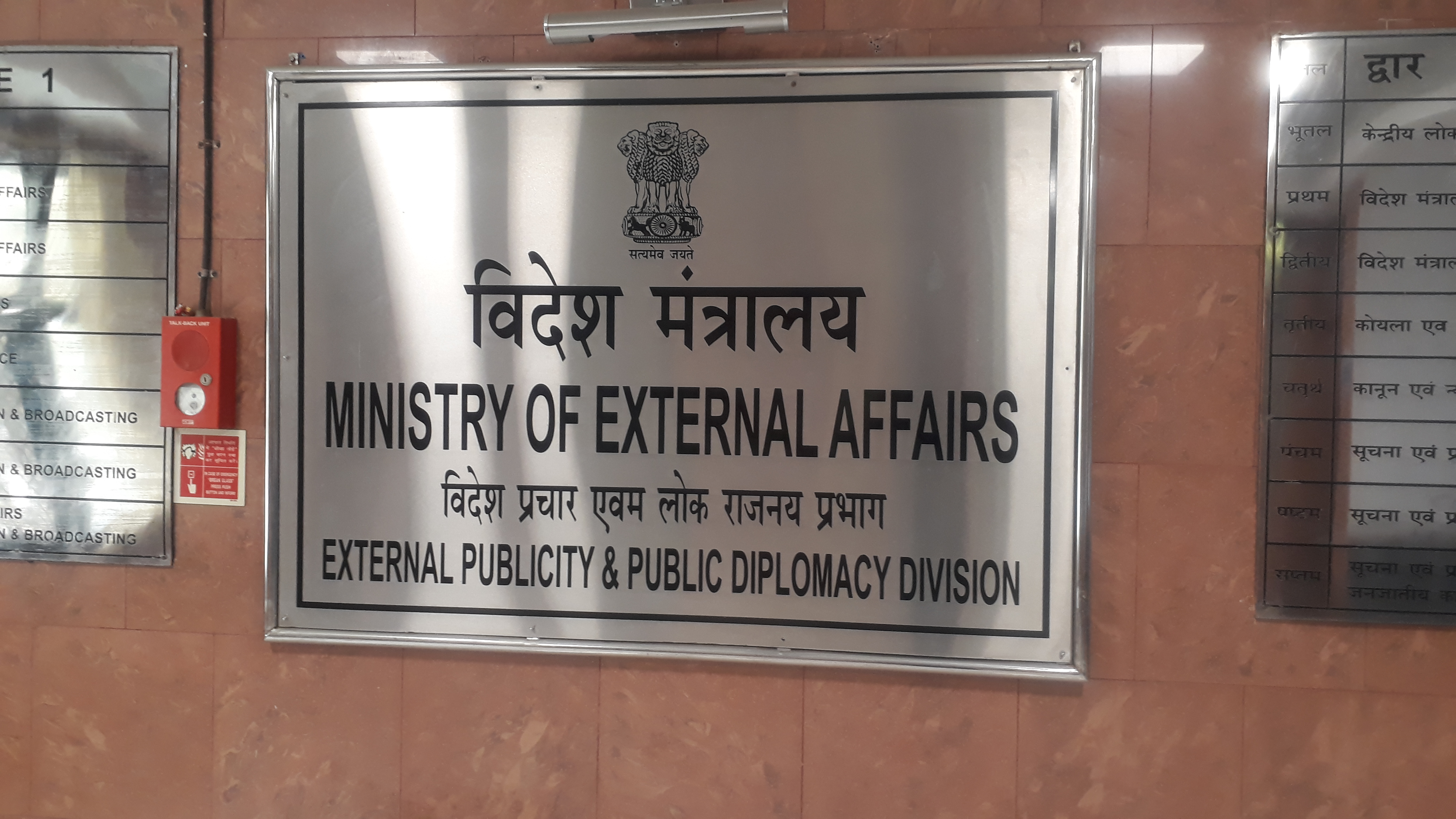
India has rejected any third-party involvement or mediation in its ongoing boundary talks with Nepal [1].
This stance signals a commitment to bilateral diplomacy and a refusal to allow outside powers to influence sensitive territorial disputes. The disagreement follows recent suggestions from Kathmandu that external actors could help resolve the long-standing border row.
The Ministry of External Affairs issued the statement on June 3, 2024 [1], in response to remarks made in the Nepalese parliament. Prime Minister Balendra Shah suggested that China and the United Kingdom could be involved in the mediation process to help settle the boundary issues [2].
India said it would not accept such a role for third parties [3]. The government maintains that the dispute should be handled exclusively between the two neighboring nations, a position that emphasizes regional sovereignty and direct negotiation.
The proposal by Shah to include the UK and China sparked immediate controversy in diplomatic circles [2]. While Nepal appears to be seeking a broader international framework for resolution, India remains firm in its preference for bilateral mechanisms [3].
Officials from the Ministry of External Affairs said that the current framework for discussions is sufficient for addressing the boundary concerns [1]. The refusal to include external mediators underscores the complexity of the India-Nepal relationship, where geopolitical competition between global powers often intersects with local territorial claims [2].
“India has rejected any third-party involvement or mediation in its ongoing boundary talks with Nepal.”
India's rejection of third-party mediation is a strategic move to prevent China from gaining a formal diplomatic foothold in its immediate neighborhood. By insisting on bilateral talks, New Delhi aims to limit the influence of external powers on its borders and maintain a direct, controlled relationship with Kathmandu.