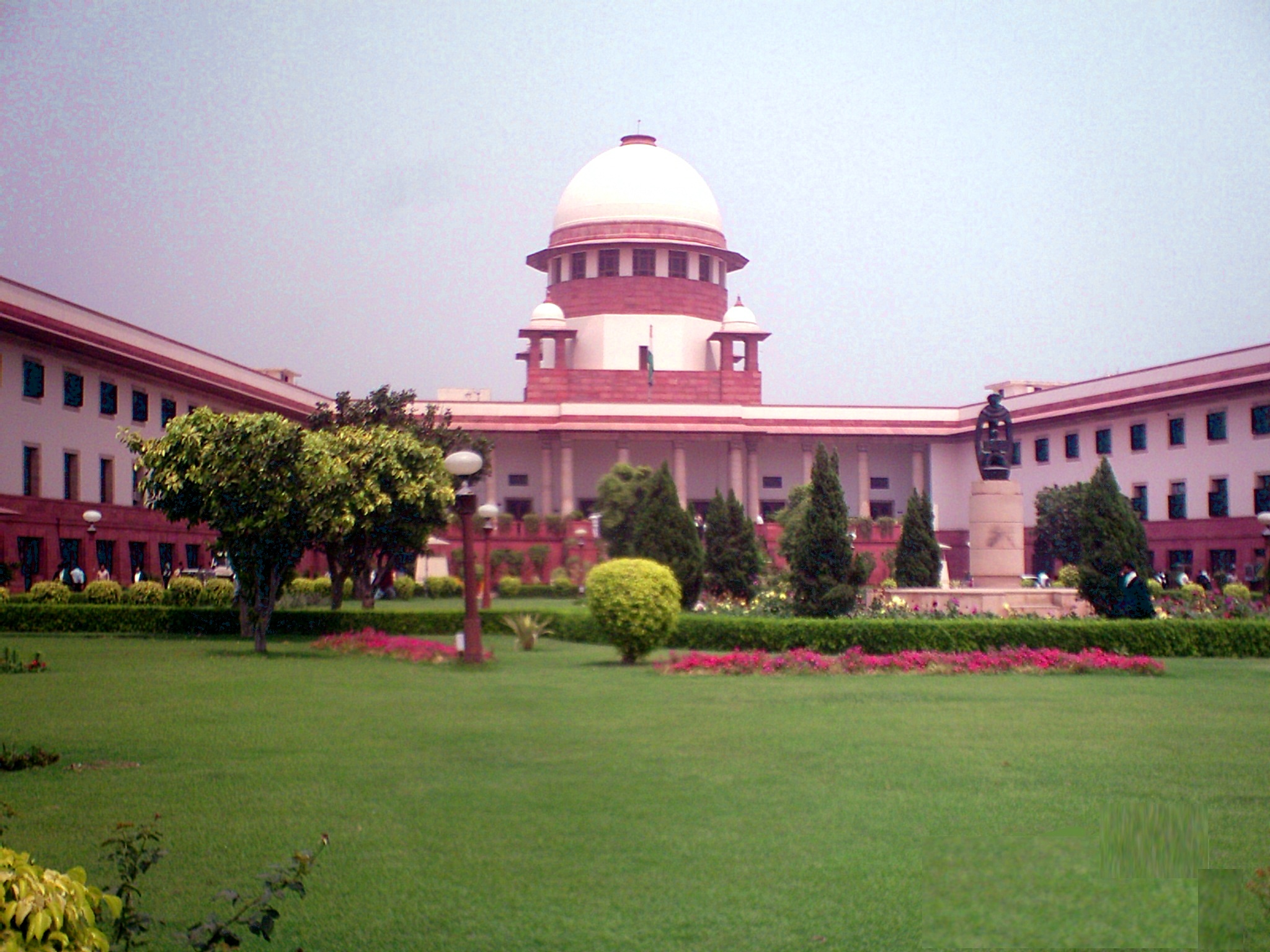
The Supreme Court of India ordered that first information reports (FIRs) filed against student protesters be withdrawn or quashed this Wednesday [1, 2].
The ruling provides significant legal relief to students facing criminal charges for public demonstrations and highlights a judicial trend toward protecting youth activism. It arrives amid broader instability in state-level administrative processes, specifically regarding public employment.
The court said the FIRs against the protesters lacked a sufficient legal basis [2]. While some reports indicate the court ordered the quashing of these files [1], others state that the ruling allows states the authority to withdraw them [2]. This decision effectively removes the threat of prosecution for a large group of student activists who had been targeted by state authorities.
Responding to the ruling, the Chief of the Cockroach Janata Party (CJP) said, "The decision is a major victory for the country's youth" [2].
In a separate development affecting the public sector, the Jharkhand state government cancelled 44 recruitment examinations [1]. The Jharkhand Public Service Commission said procedural irregularities in the recruitment process were the reason for the cancellations [1].
These cancellations impact thousands of applicants seeking government positions in the state. The government did not specify the exact nature of the irregularities but said the move was necessary to ensure the integrity of the hiring process [1].
The dual events reflect a period of tension between the Indian state and its youth, both in the context of political expression and the pursuit of professional stability through government service.
“The Supreme Court ordered that FIRs filed against student protesters be withdrawn or quashed.”
The Supreme Court's intervention suggests a judicial check on the use of criminal law to suppress student dissent. Simultaneously, the mass cancellation of exams in Jharkhand underscores systemic failures in state recruitment, which often fuels the very protests the court is now mitigating. Together, these events highlight a volatile intersection of administrative instability and the legal struggle for civil liberties among India's youth.


