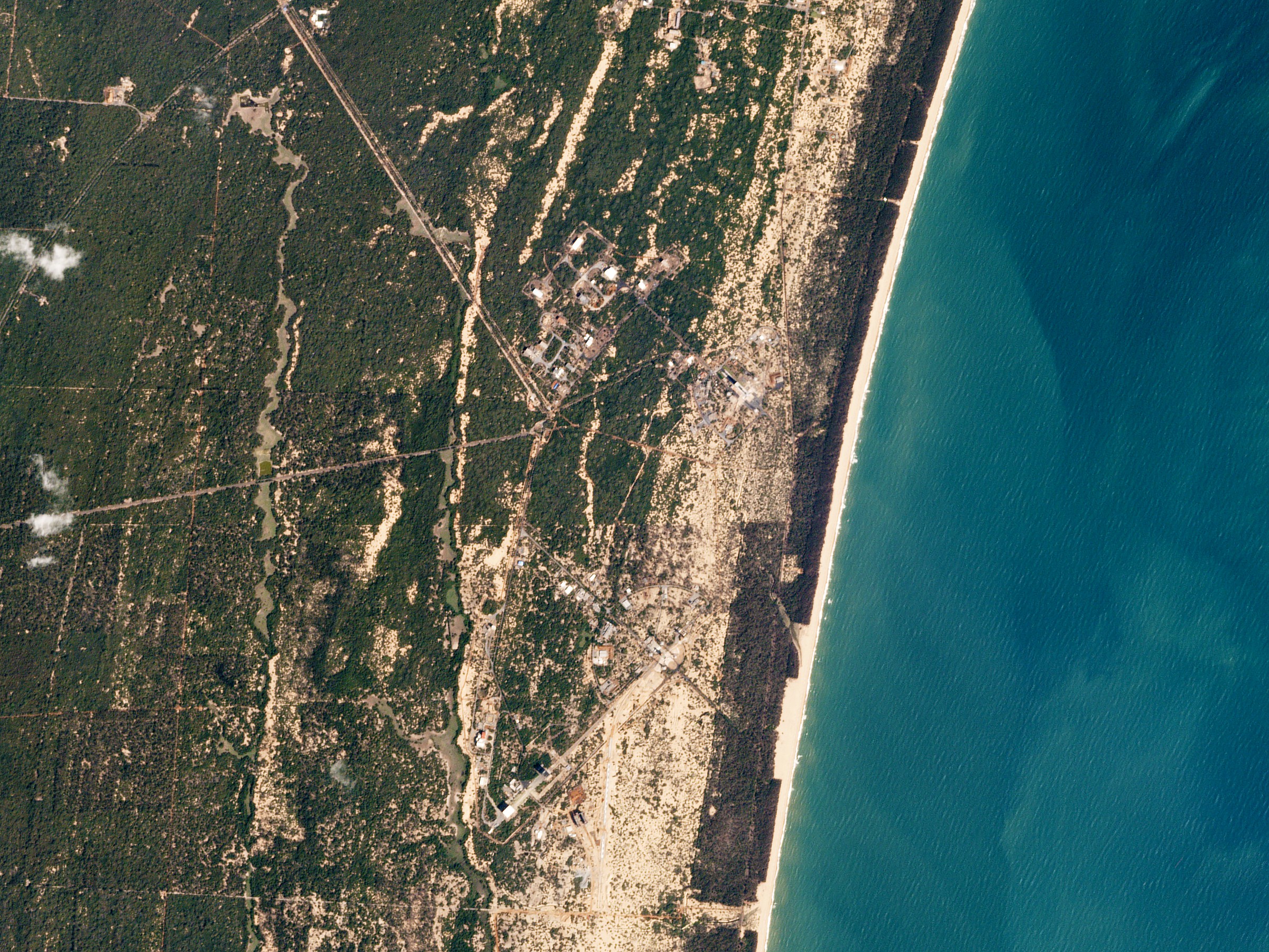
Skyroot Aerospace launched the Vikram-1 rocket on Saturday, July 13, marking India's first privately developed orbital flight [1], [2].
This milestone establishes India's commercial launch capability and allows the nation to compete for a larger share of the global space economy. The achievement makes India the third nation to possess a privately built orbital launcher [3], [4].
The rocket launched from the Satish Dhawan Space Centre, located on an island in the Bay of Bengal [1], [2]. According to flight data, the vehicle reached an orbit altitude of 280 miles [1]. The mission is considered a critical step in diversifying India's access to space beyond government-led initiatives.
Indian space officials said the maiden flight was "a grand success" [1]. The company said the rocket reached its intended orbit on the first attempt, avoiding the failures that often plague debut orbital missions [1], [2].
Skyroot Aerospace designed the Vikram-1 to provide a reliable and cost-effective means of transporting satellites into space. By transitioning from government-only launches to a private-sector model, India aims to increase the frequency of its orbital missions, and attract more international commercial contracts [3], [4].
Industry observers noted the significance of the timing and execution of the flight. "Skyroot clears orbit on debut, making India third private space nation," a TechTimes editorial said [4]. The successful deployment demonstrates that private Indian firms can manage the complex engineering required for orbital insertion [2].
“"a grand success"”
The success of the Vikram-1 rocket signals a shift in India's space strategy, moving from a state-centric model to a competitive commercial ecosystem. By becoming the third country with a private orbital launcher, India reduces its reliance on the Indian Space Research Organisation (ISRO) for all launches and positions itself as a global hub for low-cost satellite deployment.
'%2F%3E%0A%20%20%20%20%3Crect%20width%3D'1600'%20height%3D'900'%20fill%3D'url(%23v)'%2F%3E%0A%20%20%20%20%3Cg%20opacity%3D'0.08'%20fill%3D'%23ffffff'%3E%0A%20%20%20%20%20%20%3Ccircle%20cx%3D'1420'%20cy%3D'180'%20r%3D'220'%2F%3E%0A%20%20%20%20%20%20%3Ccircle%20cx%3D'1500'%20cy%3D'760'%20r%3D'120'%2F%3E%0A%20%20%20%20%3C%2Fg%3E%0A%20%20%20%20%3Cline%20x1%3D'80'%20y1%3D'172'%20x2%3D'220'%20y2%3D'172'%20stroke%3D'%23ffffff'%20stroke-width%3D'3'%20stroke-opacity%3D'0.6'%2F%3E%0A%20%20%20%20%3Ctext%20x%3D'80'%20y%3D'140'%20font-family%3D'Inter%2C%20-apple-system%2C%20Helvetica%2C%20sans-serif'%20font-weight%3D'700'%20font-size%3D'28'%20fill%3D'%23ffffff'%20letter-spacing%3D'6'%3EHANNA%20%C2%B7%20NEWS%3C%2Ftext%3E%0A%20%20%20%20%3Ctext%20x%3D'80'%20y%3D'230'%20font-family%3D'Inter%2C%20-apple-system%2C%20Helvetica%2C%20sans-serif'%20font-weight%3D'600'%20font-size%3D'40'%20fill%3D'%23ffffffb3'%20letter-spacing%3D'4'%3ESCIENCE%3C%2Ftext%3E%0A%20%20%20%20%3Ctext%20x%3D'80'%20y%3D'622'%20font-family%3D'Playfair%20Display%2C%20Georgia%2C%20serif'%20font-weight%3D'800'%20font-size%3D'86'%20fill%3D'%23ffffff'%20letter-spacing%3D'-1'%3EChinese%20Girl%20Died%20in%20CRISPR%3C%2Ftext%3E%3Ctext%20x%3D'80'%20y%3D'721'%20font-family%3D'Playfair%20Display%2C%20Georgia%2C%20serif'%20font-weight%3D'800'%20font-size%3D'86'%20fill%3D'%23ffffff'%20letter-spacing%3D'-1'%3EGene-Editing%20Trial%2C%20Report%3C%2Ftext%3E%3Ctext%20x%3D'80'%20y%3D'820'%20font-family%3D'Playfair%20Display%2C%20Georgia%2C%20serif'%20font-weight%3D'800'%20font-size%3D'86'%20fill%3D'%23ffffff'%20letter-spacing%3D'-1'%3ESays%3C%2Ftext%3E%0A%20%20%20%20%3Ctext%20x%3D'80'%20y%3D'870'%20font-family%3D'Inter%2C%20-apple-system%2C%20Helvetica%2C%20sans-serif'%20font-weight%3D'500'%20font-size%3D'22'%20fill%3D'%23ffffff66'%20letter-spacing%3D'2'%3Enews.hanna-ai.com%3C%2Ftext%3E%0A%20%20%3C%2Fsvg%3E)

