India's benchmark equity indices, the BSE Sensex and NSE Nifty, fell in early trade on Wednesday [1].
The decline reflects the vulnerability of the Indian economy to external shocks, particularly the volatility of energy costs and geopolitical instability in the Middle East.
Market sentiment was dampened by a combination of weak global peer trends and elevated crude oil prices [1]. Investors expressed renewed fears that military operations could restart if Iran fails to reach a peace deal [3]. These factors contributed to a cautious atmosphere across the Bombay Stock Exchange (BSE) and the National Stock Exchange (NSE) [1].
Trading data from early Wednesday showed the BSE Sensex falling 517.11 points to 74,667.51 [2]. During the same early period, the NSE Nifty dropped 152.45 points to 23,475.80 [2].
However, other reports indicated different closing or peak figures for the session. Some data suggested the BSE Sensex ended the day 852 points lower at 77,664 [3]. Similarly, the NSE Nifty was reported to have settled approximately 205 points lower, ending near the 24,000 level [3].
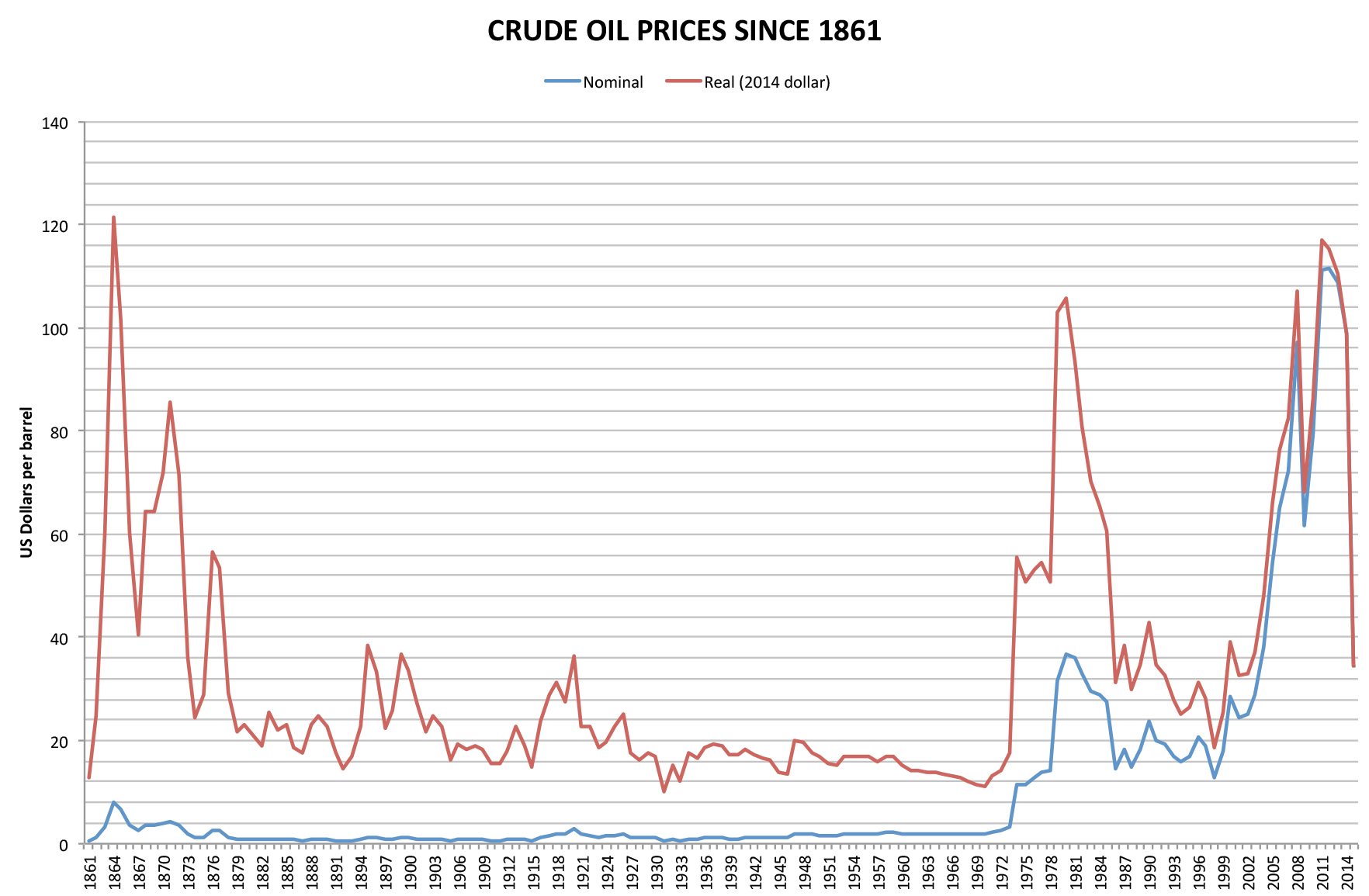
The instability was compounded by the cost of energy. Crude oil prices held above $100 per barrel [3] — a threshold that typically increases import costs for India and puts pressure on the national currency.
Analysts said that the shift in sentiment followed a pattern of weakness seen in other global markets, which limited the ability of Indian indices to maintain their previous gains.
“BSE Sensex and NSE Nifty dropped on Wednesday as crude oil prices climbed”
The correlation between crude oil prices and Indian market stability remains high because India imports the vast majority of its oil. When prices exceed $100 per barrel, it threatens to widen the current account deficit and fuel inflation. The current volatility suggests that geopolitical tensions in the Middle East are now a primary driver of market risk, outweighing domestic economic indicators.


