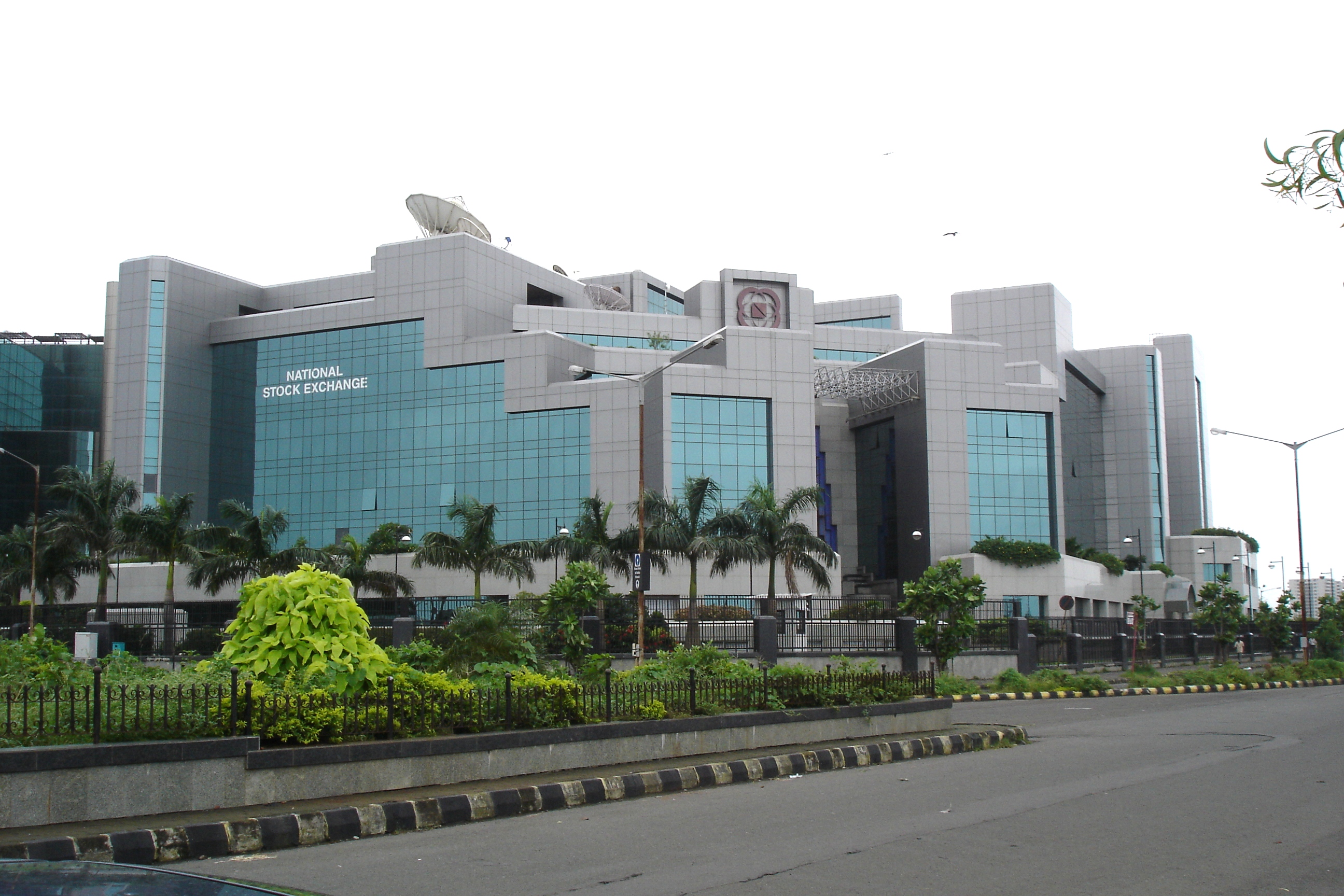
The National Stock Exchange of India saw significant volatility during the final hour of trading on July 10, 2026 [1].
These fluctuations reflect shifting investor sentiment and sector-specific movements that impact the broader Indian economy and foreign institutional investment flows.
Market reports from the closing session provide diverging accounts of the day's performance. The Economic Times said the Indian stock market traded in the deep green, with the Sensex surging 828 points [2]. The publication said the Nifty index ended the session above 24,200 points [2].
Other reports describe a different trend. The Hindu Business Line said the Sensex fell 479 points during a session characterized by broad-based selling in equities [3]. This report said the Nifty slipped below 23,950 points [3].
Adding to the discrepancy, CNBC TV18 said the Nifty fell over 150 points [4]. The network provided a last-hour roundup of trading activity via YouTube to inform market participants ahead of the closing bell [1].
These contradictions in reporting highlight the rapid movement of indices in the final hour of trade. While some sources focused on the peak gains of the day, others tracked the decline leading into the final bell. The disparity in the Nifty's reported closing—ranging from above 24,200 points [2] to below 23,950 points [3]—underscores the volatility experienced in the Mumbai-based market.
“The Indian stock market traded in the deep green”
The conflicting data between major financial news outlets suggests a high-volatility environment where indices swung significantly in the final hour of trading. Such discrepancies often occur when different reporting agencies anchor their data to different timestamps—either the intraday peak or the final closing tick—indicating a nervous market with rapid price corrections.


