India's benchmark stock indices, the Sensex and Nifty 50, were expected to open lower on Thursday following a global market sell-off [1].
This downward trend reflects growing investor anxiety over macroeconomic stability. The intersection of geopolitical instability and rising energy costs typically triggers capital outflows from emerging markets as inflation risks increase.
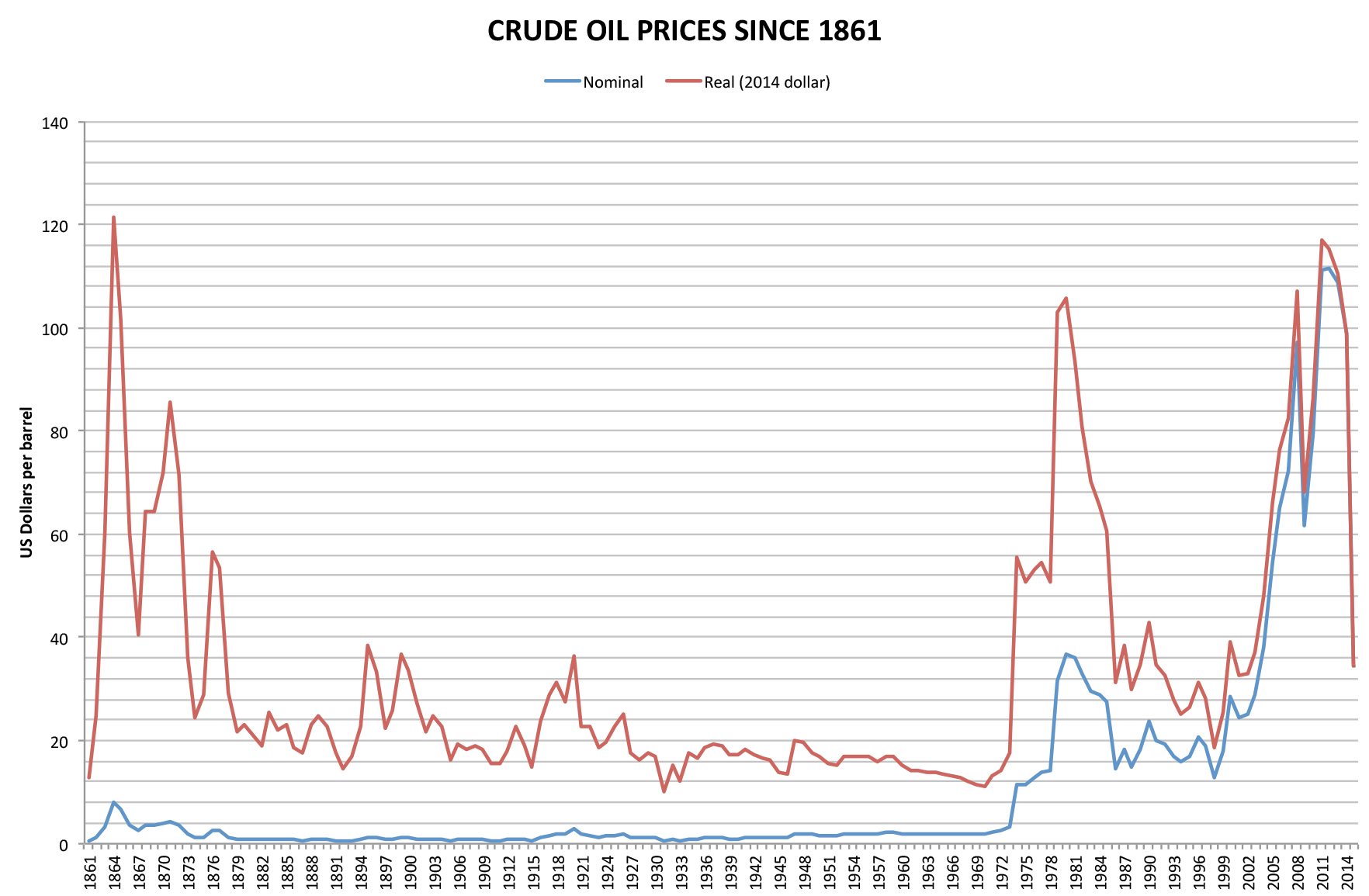
Market analysts said rising crude oil prices and higher bond yields were primary drivers for the decline [2]. Geopolitical tensions in the Middle East have contributed to a surge in energy costs, which directly impacts India's economy due to its heavy reliance on oil imports [2]. Brent crude prices topped $100 per barrel, exacerbating fears of imported inflation [3].
Early indicators showed the GIFT Nifty trading at 23,689 points, suggesting a gap-down opening for the domestic indices [3]. The Nifty 50 had previously closed at 24,398.70 points [1]. Meanwhile, the Sensex recorded a decline of 104.35 points [1].
The volatility is linked to a broader global trend where investors are reacting to the risk of sustained high interest rates. As bond yields rise, the cost of borrowing increases, which can dampen corporate growth and reduce the attractiveness of equity markets [2].
Trading activity at the National Stock Exchange of India in Mumbai remains focused on these external pressures [1]. While some sectors may show resilience, the overall sentiment is dominated by the unpredictability of the Middle East conflict and its immediate effect on the global energy supply chain [2].
“Brent crude prices topped $100 per barrel”
The projected dip in Indian indices underscores the vulnerability of the domestic market to external shocks, particularly energy price volatility. Because India imports a vast majority of its crude oil, a breach of the $100 per barrel threshold often leads to a widening current account deficit and higher domestic inflation, which may prompt the Reserve Bank of India to maintain a tighter monetary stance.