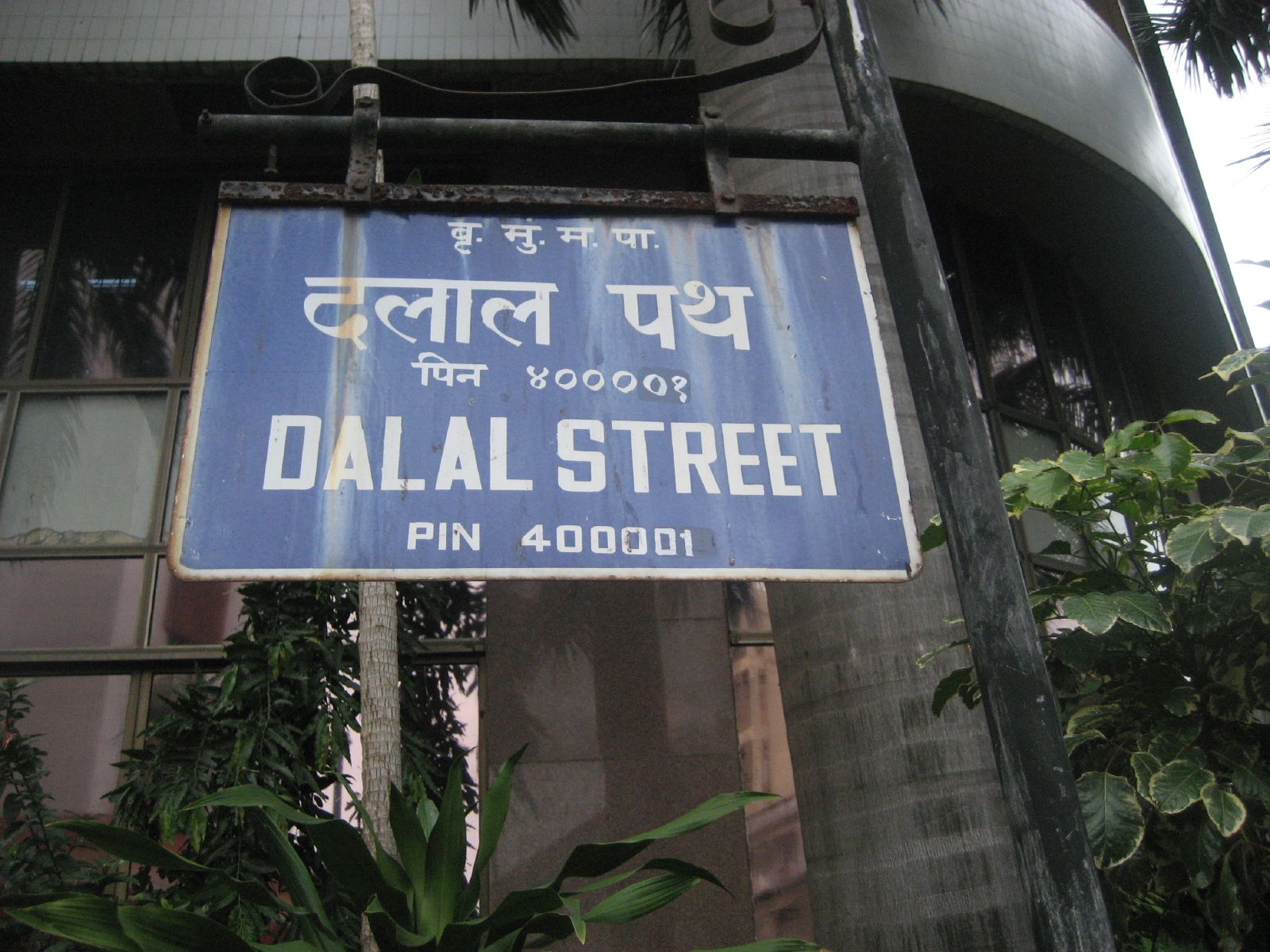
Indian stock market indices Sensex and Nifty ended the trading session with modest gains on Monday [1].
These incremental shifts reflect current investor sentiment toward specific sectors, highlighting a preference for smaller companies and infrastructure-linked assets over large-cap stability.
The Sensex rose 57.92 points, an increase of 0.07%, to close at 78,557.09 [1]. Simultaneously, the Nifty rose 25.60 points, or 0.10%, to finish at 24,596.25 [1]. While the primary indices showed limited movement, the underlying market activity revealed a broader trend of growth across various tiers of equity.
Sectoral performance was uneven, with the auto and realty sectors leading the gains [1]. These industries provided the necessary momentum to keep the indices in positive territory despite mixed performance in other areas of the market.
Mid-cap and small-cap stocks outperformed the larger indices [1]. This trend suggests a rotation of capital toward higher-growth, higher-risk assets rather than the blue-chip stocks that typically dominate the Sensex and Nifty.
Overall market breadth remained positive. A total of 2,081 shares advanced [1]. In contrast, 1,886 shares declined [1], while 180 shares remained unchanged [1]. The volume of advancing stocks outweighed the declines, supporting the modest climb of the primary indices.
“The Sensex rose 57.92 points, an increase of 0.07%, to close at 78,557.09”
The marginal gains in the Sensex and Nifty, coupled with the outperformance of mid- and small-cap stocks, indicate a market in a consolidation phase. Investors are moving away from heavy-weight indices to seek alpha in smaller companies and specific sectors like realty and automotive. The positive market breadth—where advancing shares outnumbered declining ones—suggests a baseline of stability despite the lack of a strong directional catalyst for the broader market.
