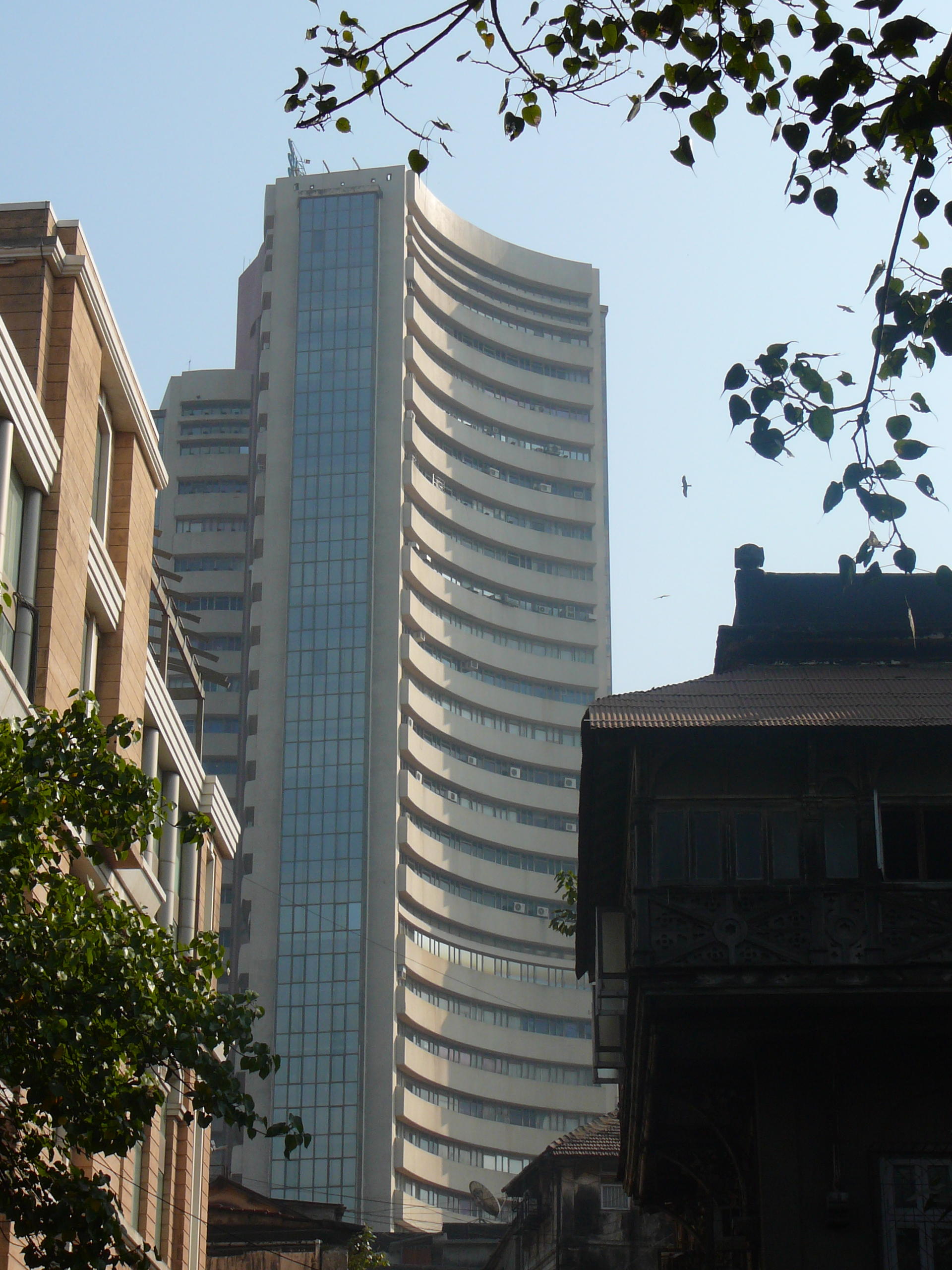
India's Sensex and Nifty stock indices closed higher on May 20, 2024, recovering from sharp losses early in the trading session [1, 2].
The recovery signals market resilience despite geopolitical instability in the Strait of Hormuz, a critical oil-shipping route where tensions between the U.S. and Iran have escalated [1, 2].
The Sensex ended the day at 75,318.39, marking a gain of 117.54 points, or 0.16% [1]. This turnaround followed a volatile opening where the index fell over 420 points [2]. Similarly, the Nifty closed at 23,659.00, an increase of 41 points, or 0.17% [1].
Market analysts said the rebound was due to strong gains in Reliance Industries, as well as growth in the energy, auto, and capital-goods sectors [1, 2]. These gains helped offset the initial panic caused by fluctuating energy costs.
Crude oil prices remained volatile throughout the day due to the ongoing U.S.-Iran conflict. Some reports indicated crude oil topped $110 per barrel [2]. However, other data showed prices retreating after comments from Donald Trump suggesting the conflict might be ending, with Brent crude falling to $98 per barrel and WTI falling to $89 per barrel [3].
The shift in oil pricing directly impacted Indian markets, which are sensitive to energy import costs. The initial slide in the Sensex reflected fears of a prolonged confrontation in the Strait of Hormuz, a fear that subsided as the trading day progressed and sectoral gains took hold [1, 2].
“The Sensex ended the day at 75,318.39, marking a gain of 117.54 points”
The volatility in the Indian markets highlights the high sensitivity of the domestic economy to geopolitical shocks in the Middle East. While strong corporate performance in sectors like energy and autos provided a cushion, the wide swing in the Sensex — from a 420-point drop to a modest gain — underscores how quickly U.S.-Iran diplomatic signals can shift investor sentiment and energy pricing.