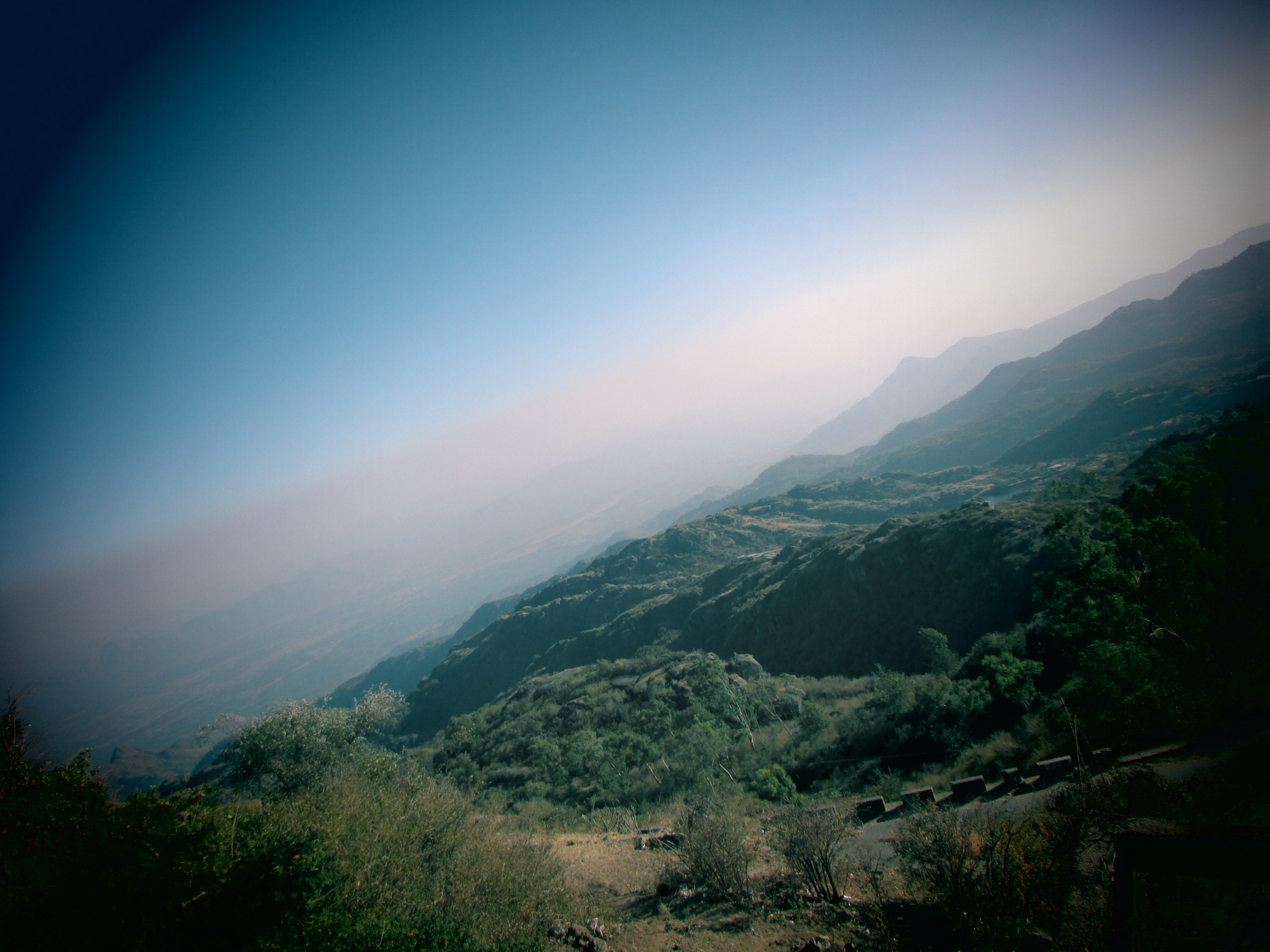
The Supreme Court of India has established a five-member panel to propose an official definition of the Aravalli range [1].
Establishing a precise legal definition is critical for environmental protection and land-use regulation. Without a standardized boundary, enforcing conservation laws and preventing illegal mining or encroachment across the range remains difficult for authorities.
Director General of the Indian Council of Forestry Research and Education (ICFRE) Kanchan Devi leads the panel [1]. The group was formed following a court order issued on May 25, 2024 [1].
The panel consists of five members [1]. Their primary objective is to create a formal definition of the range that can be utilized for legal and environmental purposes [2]. This process aims to resolve ambiguities regarding which specific geographic areas fall under the protections afforded to the Aravalli range.
The court has set a strict timeline for the group's findings. The panel is required to submit its final report by Aug. 31, 2024 [2].
This initiative follows ongoing legal efforts to preserve the ecological integrity of one of the world's oldest geological formations. By codifying the range's boundaries, the court seeks to create a transparent framework for future judicial decisions and government policy regarding the region's preservation.
“The Supreme Court of India has established a five-member panel to propose an official definition of the Aravalli range.”
The move to formally define the Aravalli range signals a shift toward a more rigid, evidence-based approach to environmental litigation in India. By utilizing the ICFRE's expertise, the court is attempting to replace vague geographic descriptions with a scientific boundary, which will likely limit the ability of developers and mining interests to contest protected status in specific border zones.