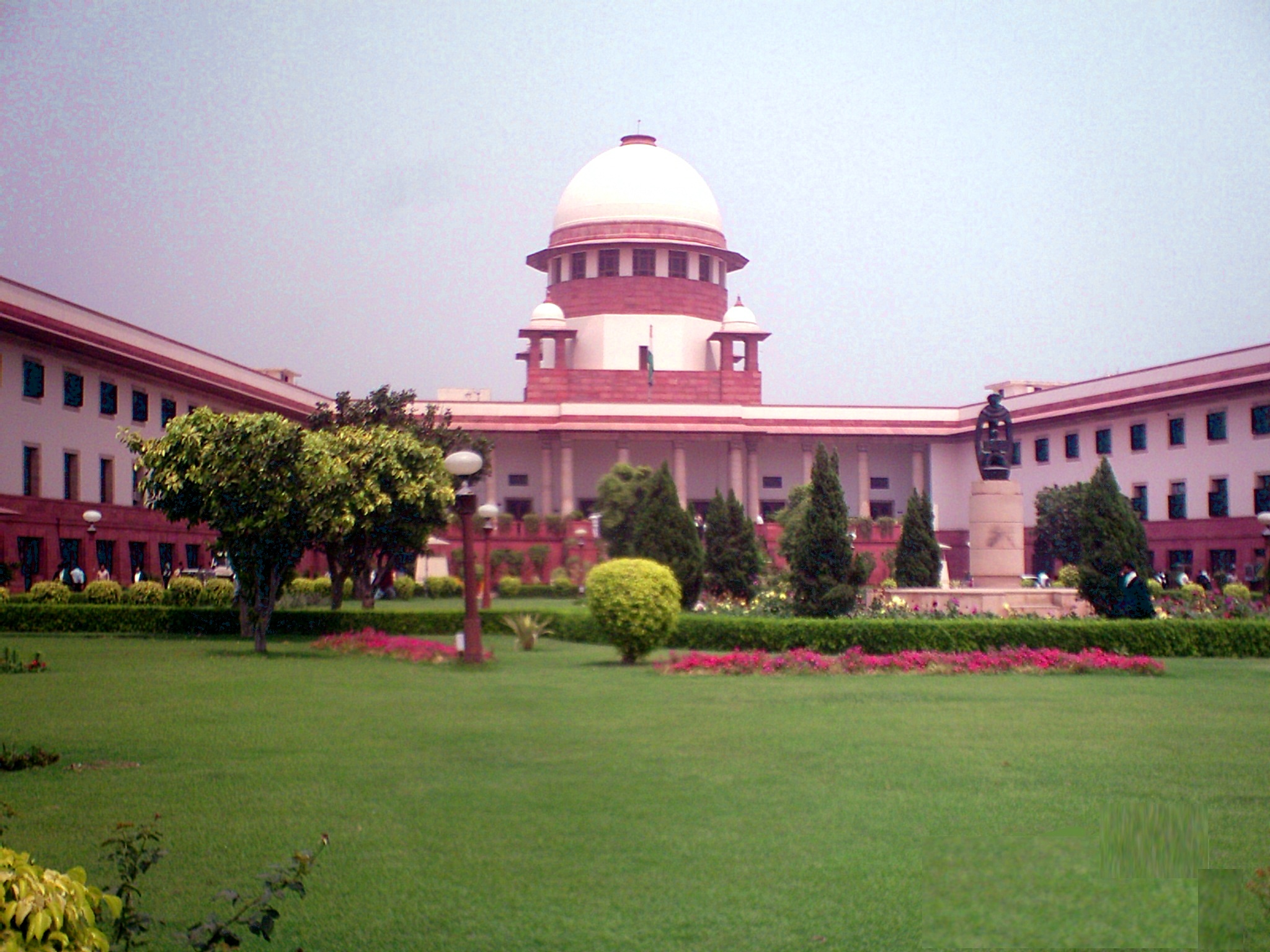
Legal experts and former election commissioners discussed the Supreme Court's verdict on the Special Intensive Revision of electoral rolls in India.
The discussion focuses on the integrity of voter lists, as inaccuracies or deletions in these rolls can disenfranchise citizens and undermine the legitimacy of democratic outcomes.
Kapil Sibal hosted the session as part of The Wire’s Central Hall series. Joining the conversation were Dr. S.Y. Quraishi and Ashok Lavasa, both former Chief Election Commissioners. The panel examined the legal, constitutional, and administrative dimensions of how voter lists are revised, and the specific role the Election Commission plays in that process.
A central point of the debate involved concerns regarding voter deletions. The participants analyzed how the Supreme Court's ruling affects the process of ensuring that every eligible citizen is registered while preventing fraudulent entries.
While the panel focused on Indian administrative law, broader global concerns regarding institutional stability have surfaced. In the Philippines, Vice President Sara Duterte said there were threats to democracy and the misuse of institutions on June 2, 2026 [2]. Similarly, Himachal Revenue Minister Jagat Singh Negi said on April 17, 2024, that democratic institutions were being weakened [3].
Other regions report varying levels of institutional health. A report indicated that nine in 10 states in Nigeria run democracy with weak institutions [1]. This has led calls from organizations like CAPPA for the government and electoral authorities to strengthen these institutions ahead of the 2027 elections.
However, some officials dispute these assessments. Lagos State Assembly Speaker Mudashiru Obasa said President Bola Tinubu has strengthened democratic institutions in Nigeria, contradicting reports of systemic weakness.
“The panel examined the legal, constitutional, and administrative dimensions of how voter lists are revised.”
The intersection of judicial rulings on electoral rolls and reports of institutional decay suggests a global tension between administrative efficiency and democratic accessibility. When the process of voter list revision becomes a point of legal contention, it highlights a vulnerability in the democratic chain: the transition from a citizen's right to vote to the actual administrative act of casting a ballot.