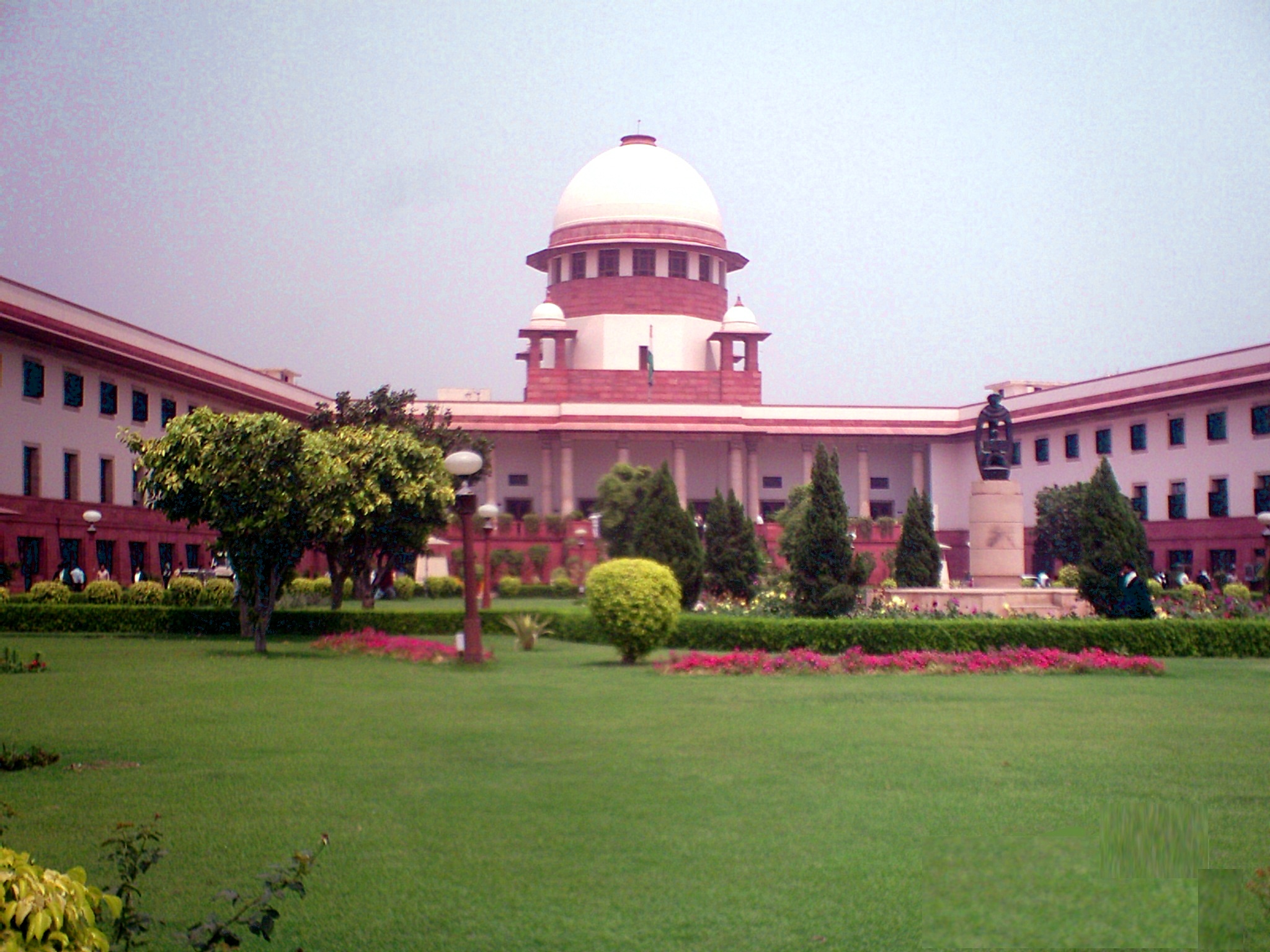
The Supreme Court of India has implemented virtual hearings and carpooling for judges to reduce fuel consumption starting Friday [1], [2].
These measures follow a call for austerity by Prime Minister Narendra Modi amid rising tensions in West Asia. The move signals a high-level commitment to resource conservation as the country navigates geopolitical instability that affects energy costs.
Under the new guidelines, virtual hearings will be conducted on Mondays and Fridays [1]. The court may also schedule these virtual proceedings on other miscellaneous days as needed [1]. This shift aims to reduce the number of daily commuters traveling to the New Delhi campus.
To further lower fuel usage, the court has modified the working arrangements for its registry staff. Up to 50% of staff in each branch, or section of the registry, are now permitted to work from home [2]. These employees may work remotely for up to two days each week [3].
Beyond staff regulations, the court's judiciary is also participating in the fuel-saving effort. Judges have agreed to carpool to the court to minimize the number of vehicles on the road [1].
The court's decision aligns with the broader national strategy to conserve energy during the current crisis in West Asia [2]. By integrating remote work and shared transport, the judiciary is adapting its operational model to meet the Prime Minister's austerity goals [2].
“Virtual hearings will be conducted on Mondays and Fridays”
The adoption of these measures by the highest court in India demonstrates the significant influence of the executive branch's austerity push during regional crises. By formalizing remote work and carpooling, the court is transitioning from a traditional physical-presence model to a hybrid operational structure to mitigate the economic impact of fuel volatility.


