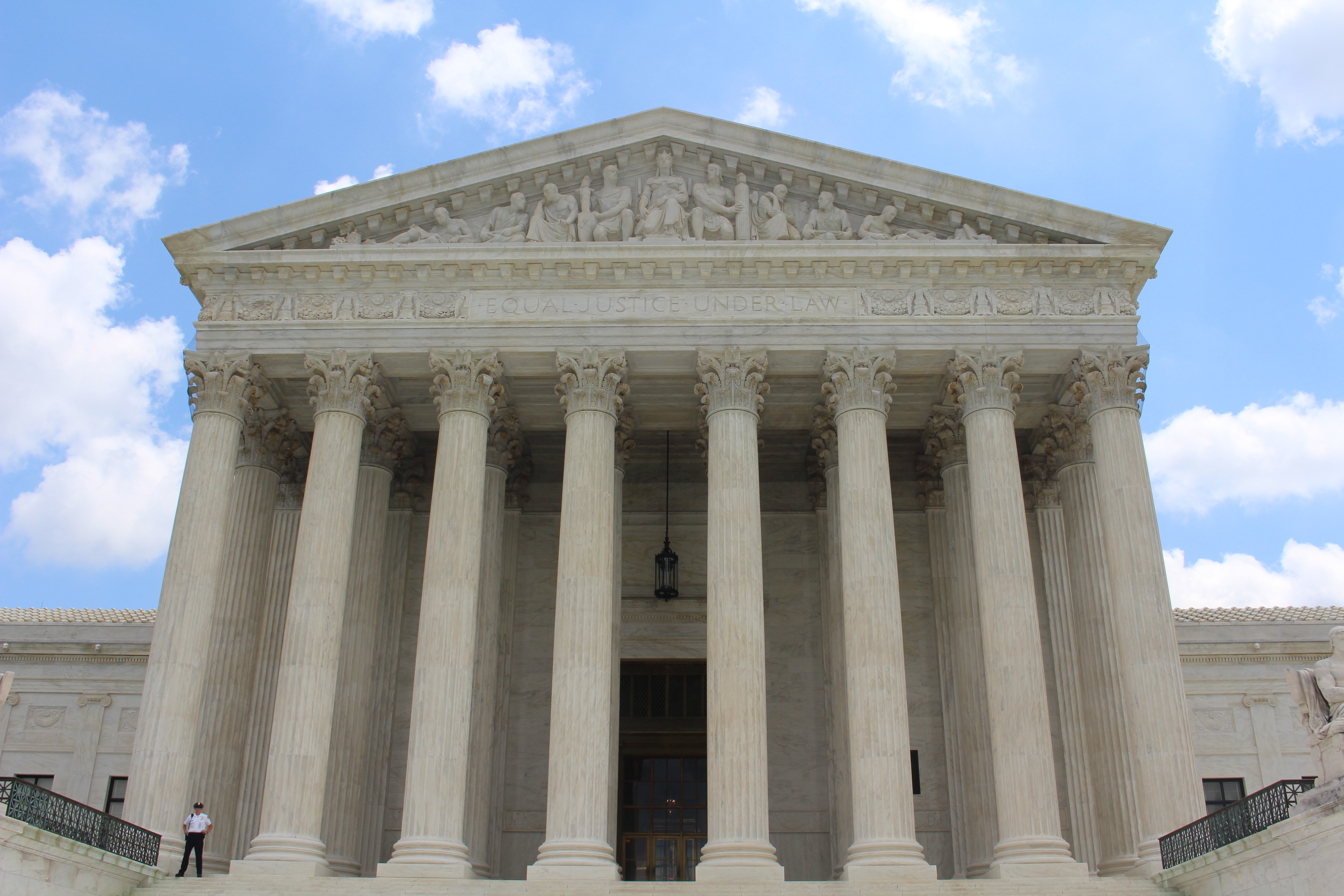
The Supreme Court of India declined to cancel the NEET-UG 2024 examination after hearing a case regarding alleged paper leaks [1, 2].
The ruling is significant because the National Eligibility cum Entrance Test (NEET) is the primary gateway for medical aspirants in India. Allegations of irregularities and leaks threatened the perceived fairness of the competitive process for thousands of students.
During the proceedings on July 23, 2024 [1, 2], the court addressed the integrity of the 2024 [1] examination process. While the court did not order a full cancellation of the test, it focused on preventing future systemic failures through increased surveillance.
Chief Justice D.Y. Chandrachud said that all examination centers must install CCTV cameras to ensure transparency [1, 2]. The measure aims to create a verifiable record of the examination environment and deter malpractice at the center level.
"All examination centres must have CCTVs," Chandrachud said [1].
The court's intervention follows a period of intense public scrutiny and legal challenges regarding the 2024 [1] exam cycle. By mandating technological oversight, the court seeks to safeguard the transparency and integrity of the process without disrupting the academic calendar by voiding the results [1, 2].
“The Supreme Court of India declined to cancel the NEET-UG 2024 examination.”
The court's decision to maintain the exam results while mandating CCTV surveillance suggests a judicial preference for systemic reform over retroactive cancellation. This approach avoids the logistical chaos of re-testing millions of students but places the burden of future integrity on infrastructure and monitoring rather than a full overhaul of the testing agency's protocols.