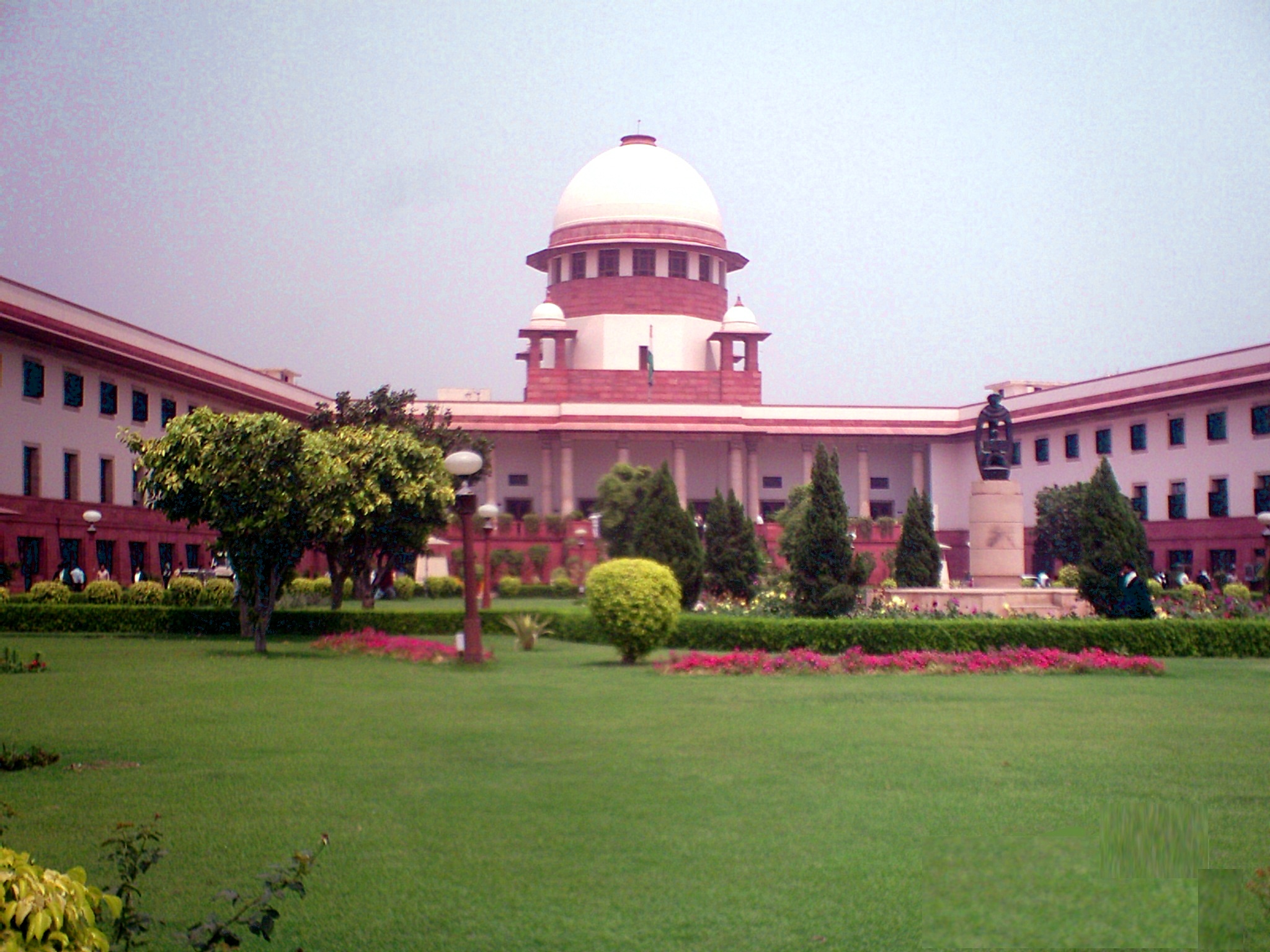
The Supreme Court of India said that a lathi-charge cannot be launched merely because of agitation during student protests [1].
This observation signals a potential shift in how law enforcement manages public demonstrations across the country. By questioning the automatic use of force, the court is emphasizing the need for proportional responses, and the protection of civil liberties during political or social unrest.
The oral observation was made by a bench headed by Chief Justice of India Surya Kant [1]. The court was hearing petitions that alleged excessive police force was used during student protests occurring in various parts of the country [2].
During the proceedings, the court said that allegations of police excess must be independently examined [2]. The bench suggested that uniform protocols are necessary for handling demonstrations to ensure that police actions do not bypass legal standards of necessity [2].
"lathi-charge cannot be launched merely because of agitation," Surya Kant said [1].
The court's focus remains on whether the use of force was a measured response to a specific threat or a generalized reaction to the presence of a protest. The proceedings highlight a recurring tension between state security measures and the right to peaceful assembly in India [2].
“"lathi-charge cannot be launched merely because of agitation."”
This oral observation suggests the Supreme Court may move toward establishing stricter, standardized guidelines for police conduct during protests. By decoupling the act of 'agitation' from the justification for 'force,' the court is reinforcing the principle that police action must be based on a specific, demonstrable threat to public safety rather than the mere existence of a demonstration.

'%2F%3E%0A%20%20%20%20%3Crect%20width%3D'1600'%20height%3D'900'%20fill%3D'url(%23v)'%2F%3E%0A%20%20%20%20%3Cg%20opacity%3D'0.08'%20fill%3D'%23ffffff'%3E%0A%20%20%20%20%20%20%3Ccircle%20cx%3D'1420'%20cy%3D'180'%20r%3D'220'%2F%3E%0A%20%20%20%20%20%20%3Ccircle%20cx%3D'1500'%20cy%3D'760'%20r%3D'120'%2F%3E%0A%20%20%20%20%3C%2Fg%3E%0A%20%20%20%20%3Cline%20x1%3D'80'%20y1%3D'172'%20x2%3D'220'%20y2%3D'172'%20stroke%3D'%23ffffff'%20stroke-width%3D'3'%20stroke-opacity%3D'0.6'%2F%3E%0A%20%20%20%20%3Ctext%20x%3D'80'%20y%3D'140'%20font-family%3D'Inter%2C%20-apple-system%2C%20Helvetica%2C%20sans-serif'%20font-weight%3D'700'%20font-size%3D'28'%20fill%3D'%23ffffff'%20letter-spacing%3D'6'%3EHANNA%20%C2%B7%20NEWS%3C%2Ftext%3E%0A%20%20%20%20%3Ctext%20x%3D'80'%20y%3D'230'%20font-family%3D'Inter%2C%20-apple-system%2C%20Helvetica%2C%20sans-serif'%20font-weight%3D'600'%20font-size%3D'40'%20fill%3D'%23ffffffb3'%20letter-spacing%3D'4'%3EWORLD%3C%2Ftext%3E%0A%20%20%20%20%3Ctext%20x%3D'80'%20y%3D'694'%20font-family%3D'Playfair%20Display%2C%20Georgia%2C%20serif'%20font-weight%3D'800'%20font-size%3D'110'%20fill%3D'%23ffffff'%20letter-spacing%3D'-1'%3EJapanese%20Author%20Keigo%3C%2Ftext%3E%3Ctext%20x%3D'80'%20y%3D'820'%20font-family%3D'Playfair%20Display%2C%20Georgia%2C%20serif'%20font-weight%3D'800'%20font-size%3D'110'%20fill%3D'%23ffffff'%20letter-spacing%3D'-1'%3EHigashino%20Dies%3C%2Ftext%3E%0A%20%20%20%20%3Ctext%20x%3D'80'%20y%3D'870'%20font-family%3D'Inter%2C%20-apple-system%2C%20Helvetica%2C%20sans-serif'%20font-weight%3D'500'%20font-size%3D'22'%20fill%3D'%23ffffff66'%20letter-spacing%3D'2'%3Enews.hanna-ai.com%3C%2Ftext%3E%0A%20%20%3C%2Fsvg%3E)
