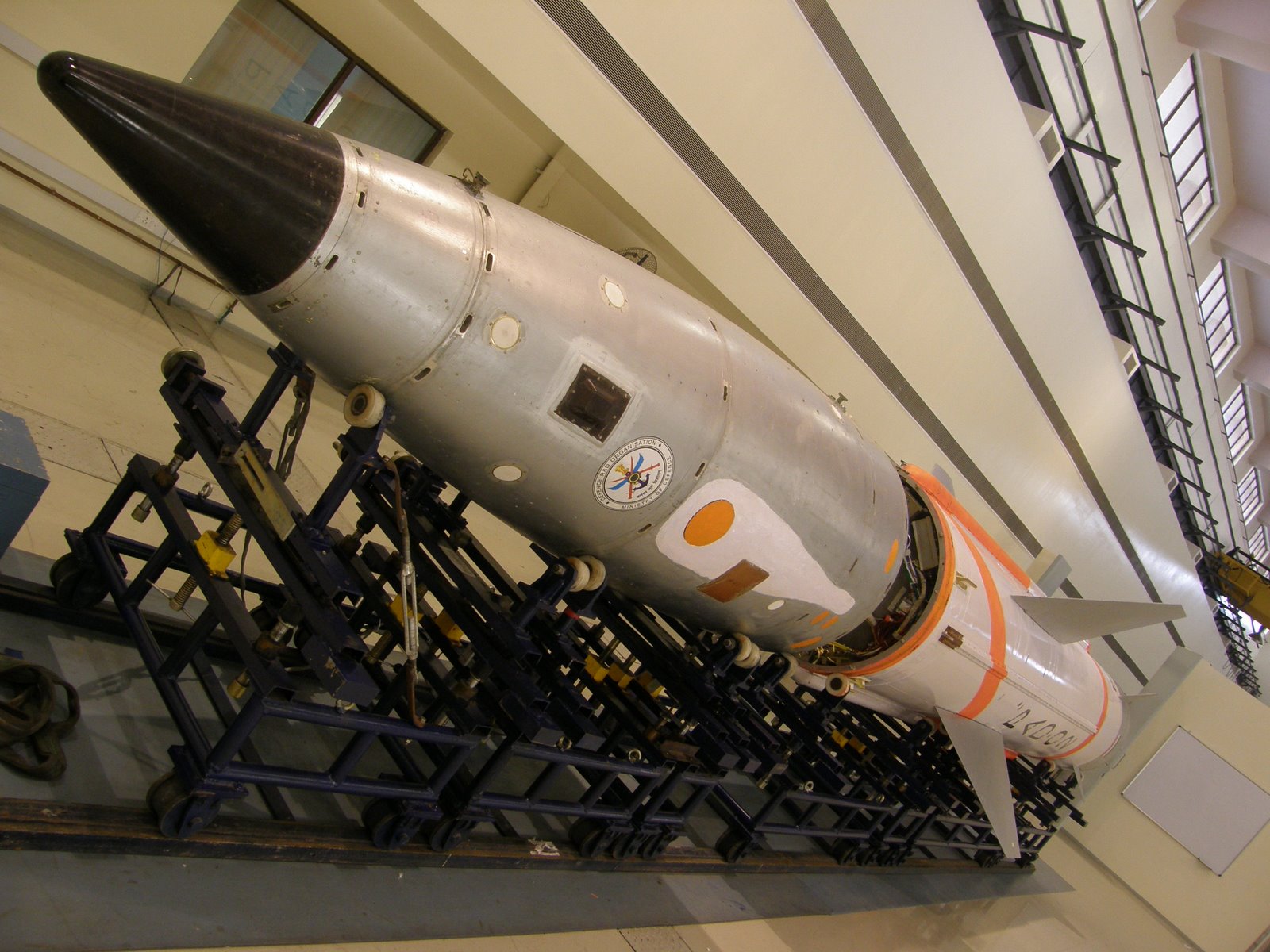
India has tested the Suryastra rocket launcher system, which demonstrated the ability to hit targets with pinpoint accuracy [1].
The successful firing tests signify a shift toward greater reliance on private sector firms to develop long-range precision strike capabilities for the Indian military.
Nibe Limited, a private sector defense firm, conducted the demonstrations at the Integrated Test Range in Chandipur, Odisha [3]. The company tested two variants of the system [4]. One variant possesses a maximum strike range of 300 km [1], while a secondary variant is capable of reaching 150 km [2].
During the trials, the rockets hit their intended targets with high precision. Reports said the accuracy achieved during the test was within one meter [3]. The development of the Suryastra system is intended to boost the long-range strike options available to the nation [5].
The use of the Integrated Test Range allows for controlled evaluations of rocket trajectories and payload impact. By utilizing two different range variants, Nibe Limited has demonstrated a flexible architecture that can be adapted for different tactical needs, ranging from regional deterrence to localized strikes.
This move reflects a broader strategy to localize defense production and reduce dependence on foreign imports. The ability of a private firm to produce a system with a 300-km range [1] suggests an increasing technical maturity within the domestic industrial base.
“India has tested the Suryastra rocket launcher system, which demonstrated the ability to hit targets with pinpoint accuracy.”
The successful testing of the Suryastra system by Nibe Limited highlights the growing role of private industry in India's strategic defense sector. By achieving a 300-km strike range with meter-level precision, India is expanding its 'deep strike' capabilities, which allows for the engagement of high-value targets far behind enemy lines without risking manned aircraft.


'%2F%3E%0A%20%20%20%20%3Crect%20width%3D'1600'%20height%3D'900'%20fill%3D'url(%23v)'%2F%3E%0A%20%20%20%20%3Cg%20opacity%3D'0.08'%20fill%3D'%23ffffff'%3E%0A%20%20%20%20%20%20%3Ccircle%20cx%3D'1420'%20cy%3D'180'%20r%3D'220'%2F%3E%0A%20%20%20%20%20%20%3Ccircle%20cx%3D'1500'%20cy%3D'760'%20r%3D'120'%2F%3E%0A%20%20%20%20%3C%2Fg%3E%0A%20%20%20%20%3Cline%20x1%3D'80'%20y1%3D'172'%20x2%3D'220'%20y2%3D'172'%20stroke%3D'%23ffffff'%20stroke-width%3D'3'%20stroke-opacity%3D'0.6'%2F%3E%0A%20%20%20%20%3Ctext%20x%3D'80'%20y%3D'140'%20font-family%3D'Inter%2C%20-apple-system%2C%20Helvetica%2C%20sans-serif'%20font-weight%3D'700'%20font-size%3D'28'%20fill%3D'%23ffffff'%20letter-spacing%3D'6'%3EHANNA%20%C2%B7%20NEWS%3C%2Ftext%3E%0A%20%20%20%20%3Ctext%20x%3D'80'%20y%3D'230'%20font-family%3D'Inter%2C%20-apple-system%2C%20Helvetica%2C%20sans-serif'%20font-weight%3D'600'%20font-size%3D'40'%20fill%3D'%23ffffffb3'%20letter-spacing%3D'4'%3EWORLD%3C%2Ftext%3E%0A%20%20%20%20%3Ctext%20x%3D'80'%20y%3D'622'%20font-family%3D'Playfair%20Display%2C%20Georgia%2C%20serif'%20font-weight%3D'800'%20font-size%3D'86'%20fill%3D'%23ffffff'%20letter-spacing%3D'-1'%3EBonnie%20Tyler%2C%20%26apos%3BTotal%3C%2Ftext%3E%3Ctext%20x%3D'80'%20y%3D'721'%20font-family%3D'Playfair%20Display%2C%20Georgia%2C%20serif'%20font-weight%3D'800'%20font-size%3D'86'%20fill%3D'%23ffffff'%20letter-spacing%3D'-1'%3EEclipse%20of%20the%20Heart%26apos%3B%3C%2Ftext%3E%3Ctext%20x%3D'80'%20y%3D'820'%20font-family%3D'Playfair%20Display%2C%20Georgia%2C%20serif'%20font-weight%3D'800'%20font-size%3D'86'%20fill%3D'%23ffffff'%20letter-spacing%3D'-1'%3Esinger%2C%20dies%20at%2075%3C%2Ftext%3E%0A%20%20%20%20%3Ctext%20x%3D'80'%20y%3D'870'%20font-family%3D'Inter%2C%20-apple-system%2C%20Helvetica%2C%20sans-serif'%20font-weight%3D'500'%20font-size%3D'22'%20fill%3D'%23ffffff66'%20letter-spacing%3D'2'%3Enews.hanna-ai.com%3C%2Ftext%3E%0A%20%20%3C%2Fsvg%3E)