A passenger sparked public outrage after lighting an oil lamp and incense sticks inside an air-conditioned coach of a moving Northern Railway train [1].
The incident highlights the tension between religious practices and strict safety protocols in enclosed public transit, where open flames pose significant fire risks.
Video footage of the ritual, which surfaced July 13, 2026 [1], showed the passenger performing a puja while the train was in motion. The oil lamp, known as a diya, and incense sticks filled the coach with smoke, leading other travelers to intervene. One fellow passenger said the act was extremely dangerous and against railway safety norms [3].
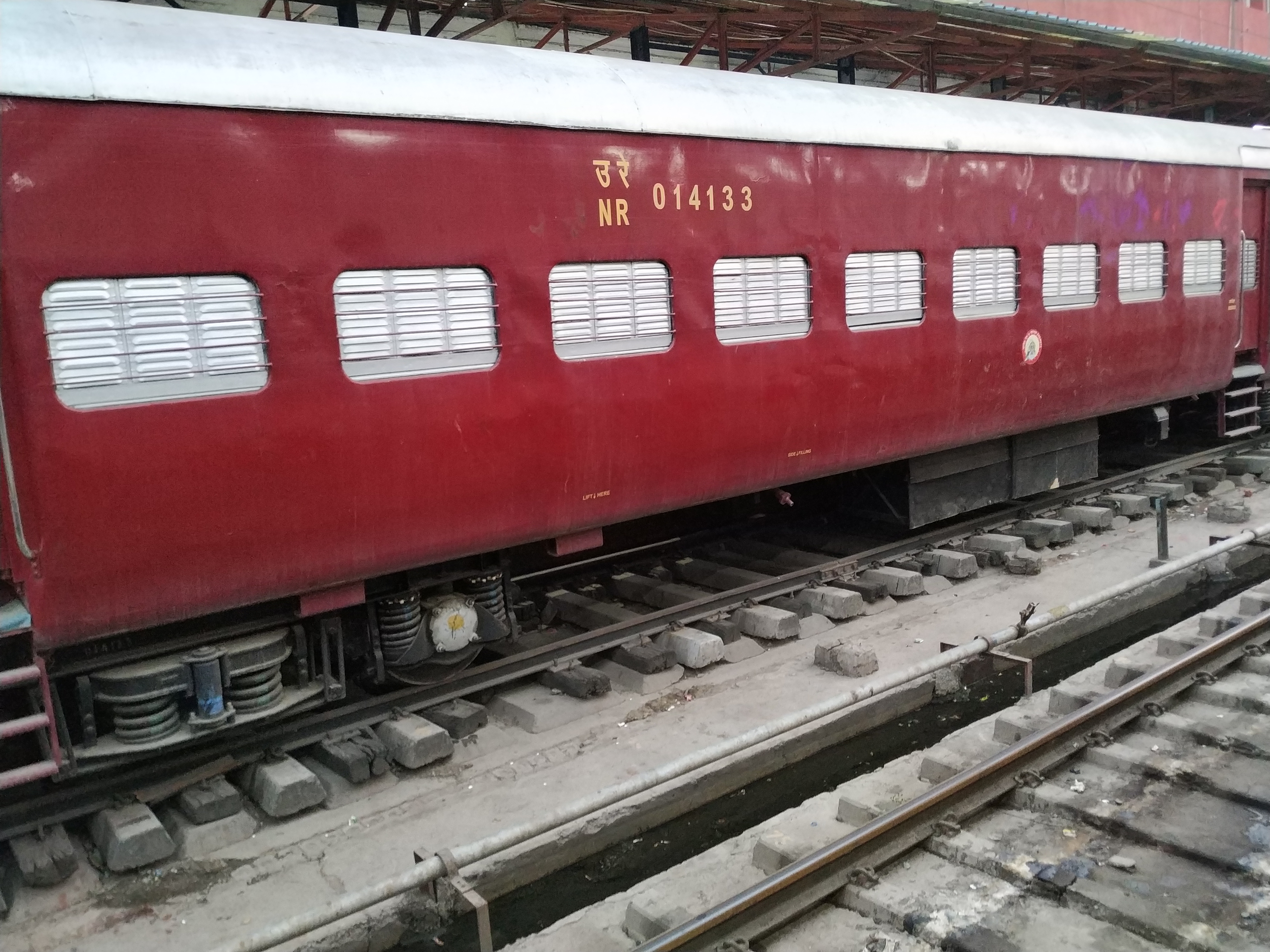
Following the viral spread of the video, Northern Railway officials provided clarification regarding the nature of the carriage. While some reports initially described the setting as a regular passenger coach, a Northern Railway official said the coach was privately booked as a Railway Saloon Car [2].
The official said the booking for this specific saloon car cost over ₹3 lakh [2]. This distinction is critical, as saloon cars are private charters rather than standard public accommodations.
Despite the presence of open flames in the air-conditioned environment, there were no casualties. A Northern Railway spokesperson said none were injured [4].
The event has reignited debates over the enforcement of safety regulations on Indian railways, particularly regarding the use of fire for religious purposes in confined spaces. The railway's clarification regarding the private booking suggests a different set of contractual terms, though safety norms generally prohibit combustible materials in AC coaches.
“The coach was privately booked as a Railway Saloon Car at a cost of over ₹3 lakh.”
The distinction between a public AC coach and a privately booked Saloon Car is central to this incident. While the high cost of the charter may grant more privacy, it does not exempt passengers from fundamental fire safety laws. This event underscores a persistent challenge for Indian Railways in balancing cultural religious expressions with the technical safety requirements of modern, sealed rail transport.


