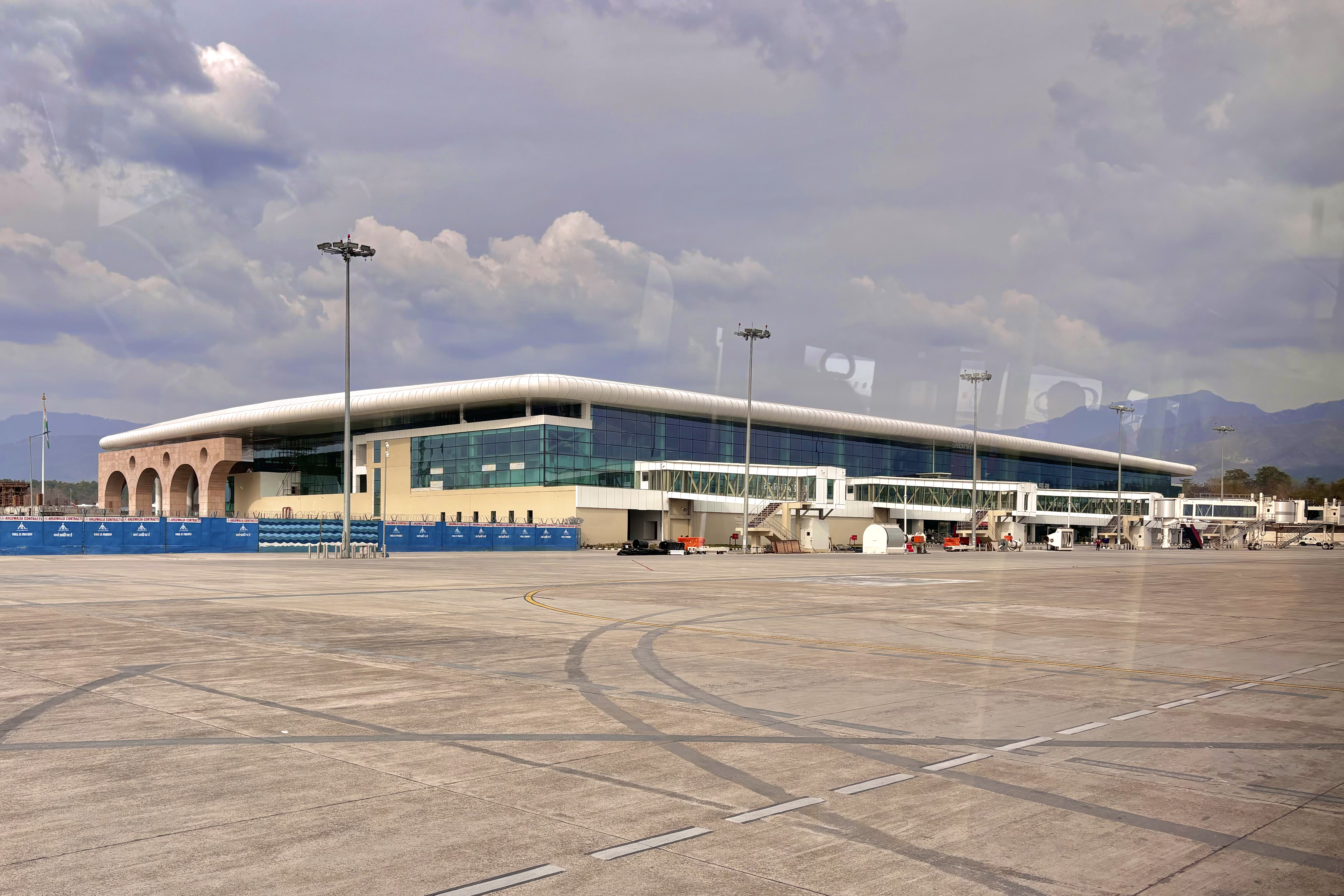
The Indian government has approved the UDAN 2.0 scheme to expand regional air connectivity through a ₹28,840 crore [1] investment plan.
This initiative seeks to democratize air travel by reducing costs and improving infrastructure. By focusing on underdeveloped regions, the government aims to create a self-sustaining aviation network that integrates remote areas into the national economy.
The Union Cabinet cleared the plan with a total outlay of ₹28,840 crore [1]. This funding is designed to support the development of new airports and helipads, while providing financial assistance to airline operators over a 10-year period [1]. The program serves as a modification of the original UDAN scheme, which first launched in 2016 [2].
Officials said the goal is to make flying affordable enough for even a person wearing hawai chappals to board a hawai jahaz [2]. The strategy involves course-correcting previous efforts to ensure regional aviation dreams move past initial turbulence [2].
Under the new framework, the government will prioritize the expansion of regional air connectivity to ensure that flight operations remain viable for operators. The 10-year [1] timeline allows for a phased rollout of infrastructure projects, ensuring that regional airports can scale their operations as demand grows. This long-term approach is intended to move away from temporary subsidies and toward a permanent aviation ecosystem.
Airline operators will receive specific financial support to mitigate the risks associated with opening new routes in less populated areas. This support is coupled with the physical development of landing strips, and helipads to ensure a comprehensive network across the country.
“make flying affordable enough for even a person wearing hawai chappals to board a hawai jahaz”
The transition to UDAN 2.0 signals a shift from the initial experimental phase of regional connectivity to a long-term infrastructure play. By committing funds over a decade, the Indian government is attempting to solve the primary hurdle for regional airlines: the lack of sustainable demand and inadequate ground infrastructure. If successful, this could fundamentally alter domestic logistics and tourism by making air travel a viable utility for lower-income citizens rather than a luxury for the urban elite.


