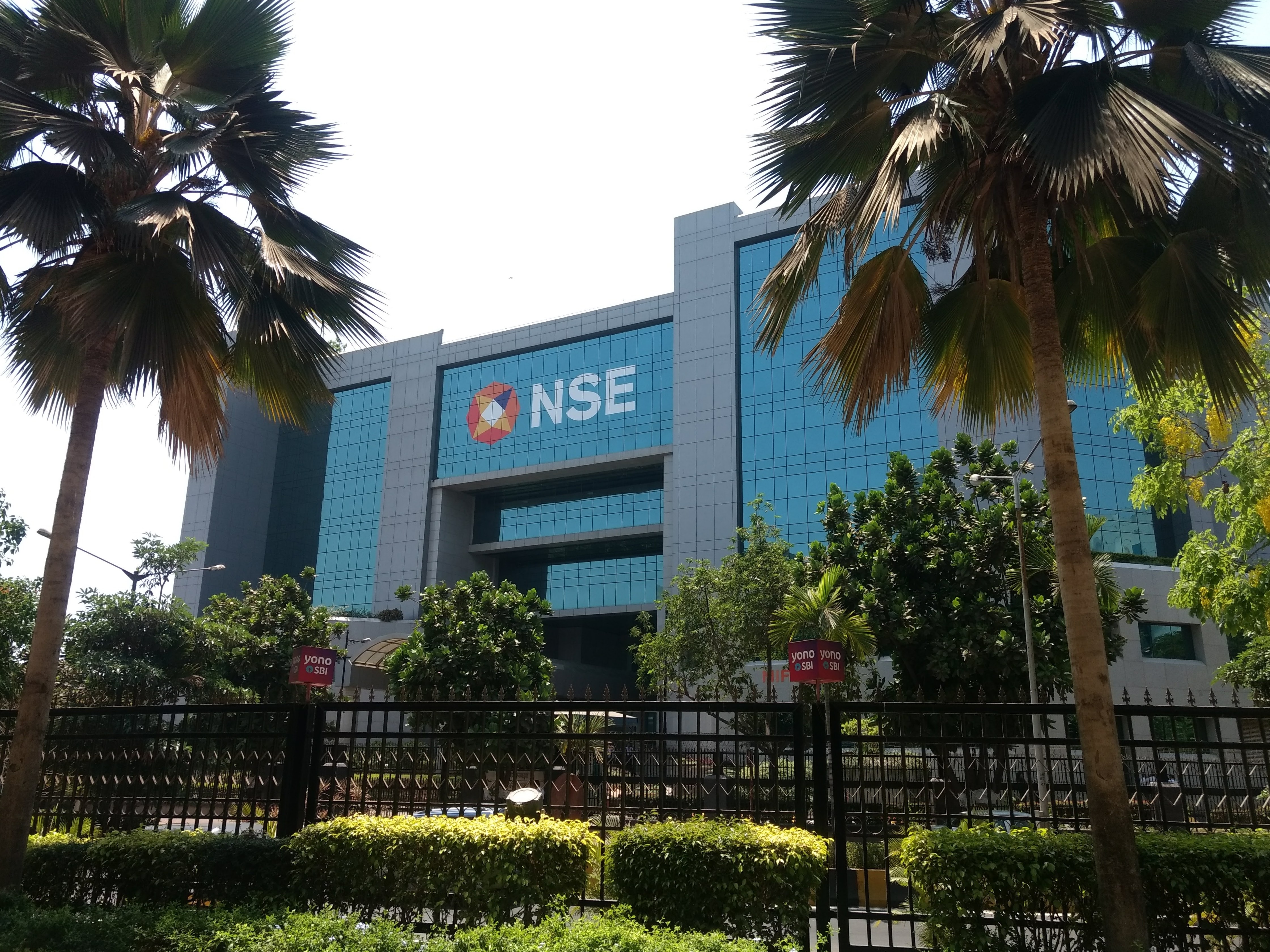
Indian benchmark indices, the Sensex and Nifty, traded higher on April 20, 2026 [1]. The gains were driven by increased buying in banking and energy stocks [1].
This movement indicates a shift in investor sentiment as the market responds to specific sectoral strengths. The banking sector, in particular, has shown resilience, with the Bank of Maharashtra reporting a 15% increase in Q4 net profit [3].
While the current session reflects a positive trend, the market has experienced significant volatility across different dates. On other occasions, the Sensex has dropped 123 points [4] or shed 638 points [8]. In more extreme cases, the Sensex has plunged 1,690 points [12] or fallen more than 1,700 points [14].
Similarly, the Nifty index has shown wide fluctuations. It has reached levels of 24,400 [2], but has also fallen below 24,200 [5], below 24,800 [9], and below 22,850 [13]. It has also been reported as nearing the 22,800-mark [15].
Intraday volatility has also been a prominent feature of the market. The Sensex has seen intraday declines of more than 740 points [6], while the Nifty has experienced intraday declines of more than 204 points [7].
Sectoral indices have also been affected by these fluctuations. Some sectoral indices have fallen over two percent [16].
In terms of Nifty constituents, the market has seen periods where 40 out of 50 stocks in the red [10]. Nifty losses have also reached up to 4.29% [11].
Overall, the current upward movement on April 20 is a small gain relative to the scale of the previous volatility reported in the dossier's sources.
“The gains were driven by increased buying in banking and energy stocks.”
The conflicting data across different dates suggests a highly volatile Indian stock market. While the current reporting for April 20 shows a slight upward trend, the broader context of the previous losses and intraday declines indicates that investors are likely reacting to a volatile environment of both sectoral gains and broader market instability.


