Indian stock market indices indicated a gap-up start on Monday as Gift Nifty traded around 23,934 points [1].
This movement comes at a critical juncture for investors as heightened geopolitical tensions between the U.S. and Iran create volatility in both equity and energy markets. The interplay between regional stability and oil prices often dictates the immediate trajectory of the Nifty and Sensex.
The market opened with a premium of approximately 127.5 points [1]. However, reporting on the exact opening levels varied across platforms. While CNBC TV18 reported the Gift Nifty at 23,934 [1], other reports placed the level as high as 24,136.50 [2] or as low as 23,689 [3].
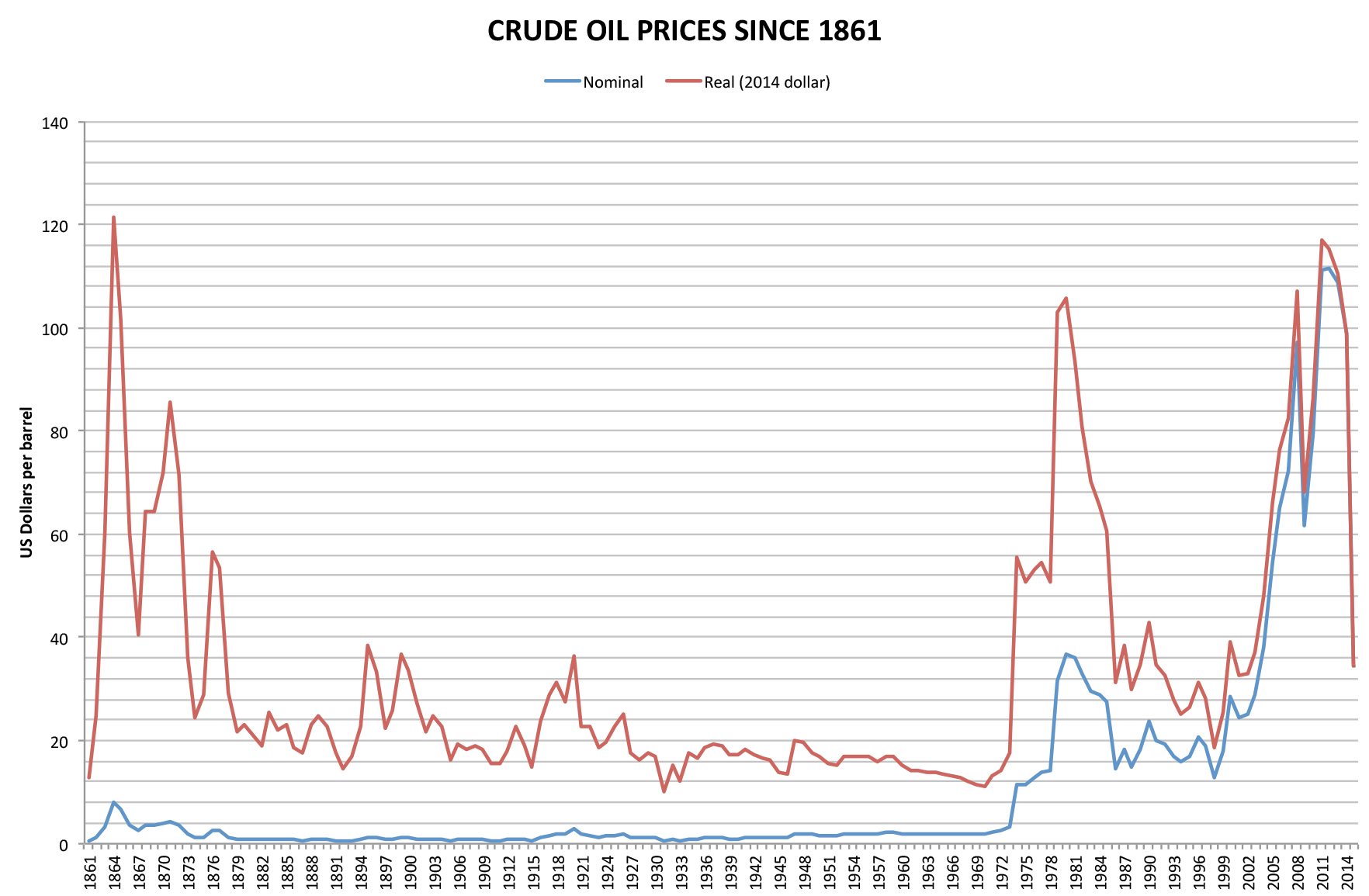
Energy markets showed similar instability on July 27. Brent crude prices were reported near $74 per barrel by some sources [2], while other reports indicated a much higher surge, with prices reaching near $96 per barrel [4] or even topping $100 per barrel [3]. This wide range of reported pricing underscores the rapid fluctuations occurring in the global oil market due to the escalating U.S.-Iran tensions [2].
Beyond the financial tickers, the day was marked by other domestic disruptions. Analysts said a protest in Delhi added another layer of local volatility to the morning's atmosphere [1].
Market analysts presenting live updates on CNBC TV18 said these shifting numbers were the primary drivers for the day's trading session [1]. The gap-up start suggests a positive initial sentiment, despite the conflicting data regarding the exact scale of the premium and the volatility of crude oil costs.
“Gift Nifty traded around 23,934 points, indicating a gap‑up start for Indian stock market indices”
The significant discrepancies in reported Gift Nifty levels and Brent crude prices reflect a period of high market volatility and rapid price discovery. For the Indian economy, which is highly sensitive to crude oil imports, the wide range of oil price reports—from $74 to $100—suggests that geopolitical risks involving Iran are creating unpredictable overhead costs that could offset the gains seen in the initial gap-up opening.


