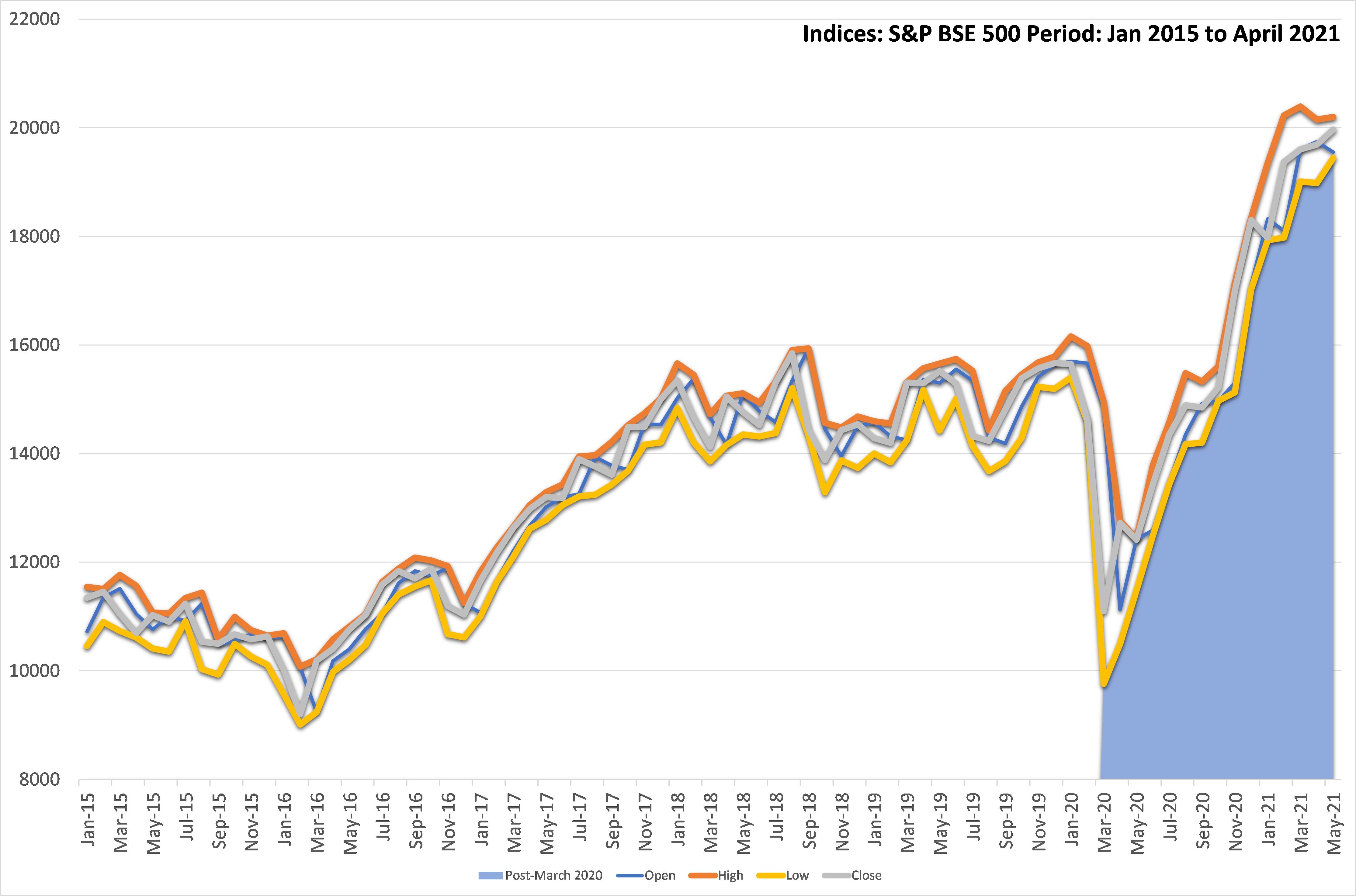
Indian stock markets opened on a muted note Tuesday as mixed global cues and a technology sector sell-off dampened investor sentiment.
This cautious start reflects a broader volatility in global semiconductor and tech stocks, which often dictates the momentum for India's heavy-weight indices. The interplay between U.S. Federal Reserve policy and geopolitical shifts continues to drive short-term trading patterns on Dalal Street.
The Sensex opened at 76,977, marking a decline of 116 points [3]. Similarly, the Nifty 50 opened at 24,075, down 27 points [4]. These figures follow a period of significant volatility; the previous day saw the Sensex fall 893.39 points, or 1.16%, to close at 76,200.68 [1]. The Nifty 50 also dropped 278.80 points, a 1.16% decrease, to close at 23,824.10 [2].
Market analysts said a variety of conflicting pressures are affecting the opening trade. A broad sell-off in technology and semiconductor stocks has created headwinds for growth-oriented equities. However, some optimism persists due to easing crude oil prices, and a reduction in Middle East tensions [5].
Investors are also closely monitoring the outcomes of U.S.-Iran talks and the trajectory of Federal Reserve policy [5]. These factors, combined with the signals from the GIFT Nifty, have led to a cautious approach among traders on Tuesday. The market is currently navigating a landscape where geopolitical optimism is being balanced against the risk of a tech-led correction [5].
“The Sensex opened at 76,977, marking a decline of 116 points.”
The cautious opening indicates that Indian investors are prioritizing risk aversion over aggressive growth. While easing oil prices typically benefit India's import-heavy economy, the global contagion from the tech sell-off is currently a stronger driver of sentiment. This suggests that the domestic market remains highly sensitive to external shocks, particularly those originating in the U.S. tech sector and central bank policy shifts.


