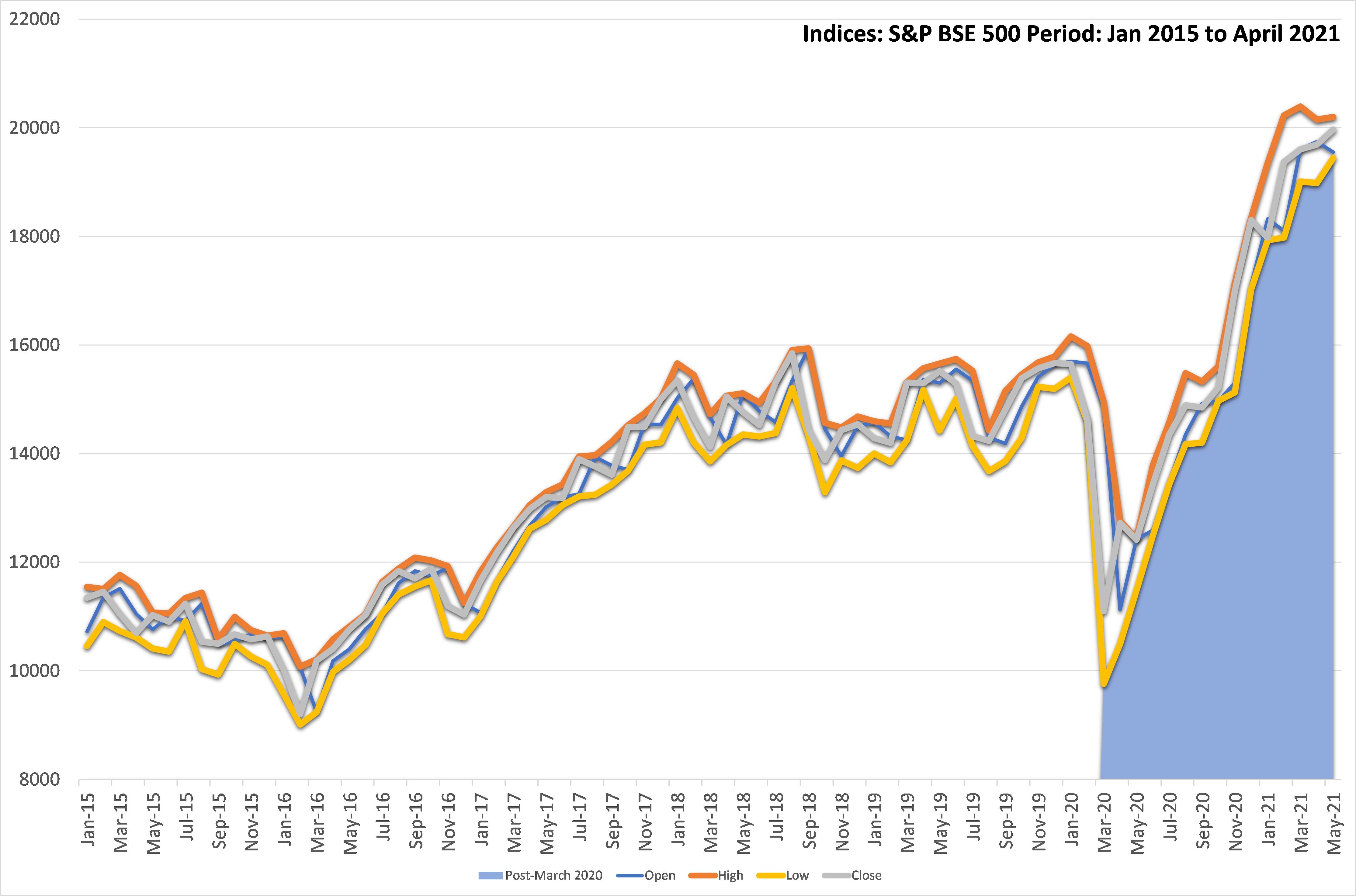
Indian benchmark indices are expected to open higher this Friday despite mixed cues from global markets [1].
This upward momentum follows a period of volatility driven by geopolitical tensions. The ability of the Bombay Stock Exchange and National Stock Exchange to maintain gains suggests a level of resilience against international instability.
On Thursday, the Sensex rose 579.48 points to close at 77,502.12 [1]. During the same session, the Nifty 50 increased by 169.85 points, ending at 24,175.70 [1]. These gains were supported by positive signals from U.S. markets and a decline in global oil prices [2].
However, the outlook for Friday's opening remains slightly contested among analysts. Some reports indicate the market is likely to start higher, while other indicators, such as the GIFT Nifty, suggest the opening may be flatter [1, 2]. This discrepancy reflects the uncertainty stemming from ongoing global conflicts, specifically the Russia-Ukraine war and tensions between the U.S. and Iran [2].
Investors are currently balancing these geopolitical risks against domestic strengths and favorable commodity pricing. Falling oil prices typically benefit the Indian economy, which relies heavily on energy imports, thereby easing inflationary pressures and improving corporate margins [2].
Market participants are monitoring these developments as they enter the trading day. The persistence of the rally depends on whether global cues shift from mixed to decisively positive throughout the session [1].
“The Sensex rose 579.48 points to close at 77,502.12”
The divergence between the GIFT Nifty's flat signal and the projected higher open highlights the tension between short-term technical indicators and broader sentiment. While geopolitical conflicts in Europe and the Middle East create a risk floor, the correlation between falling oil prices and Indian market growth remains a primary driver for bullish sentiment in the region.

